Protein Powder Material Handling: Working Principles and Features
Release time:2026-09-17 16:01:21
name of the company:Shandong Headpowder Engineering Co., Ltd.
telephone:156-6277-7102
contacts:Manager Zhang
Protein powder is a staple in the health and fitness industry, and efficient material handling is crucial for its production, storage, and distribution. The process of transporting and managing protein powder involves specialized equipment and systems designed to maintain product integrity and operational efficiency. This article explores the working principles and key features of protein powder material handling, providing insights into how these systems operate and their benefits in industrial settings.
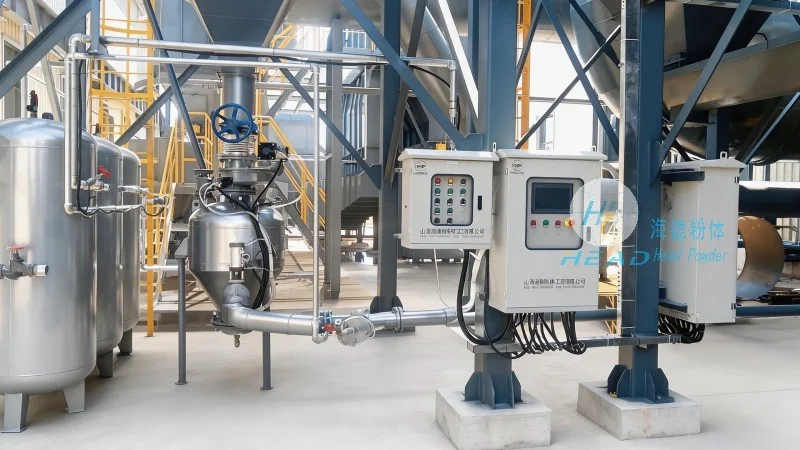
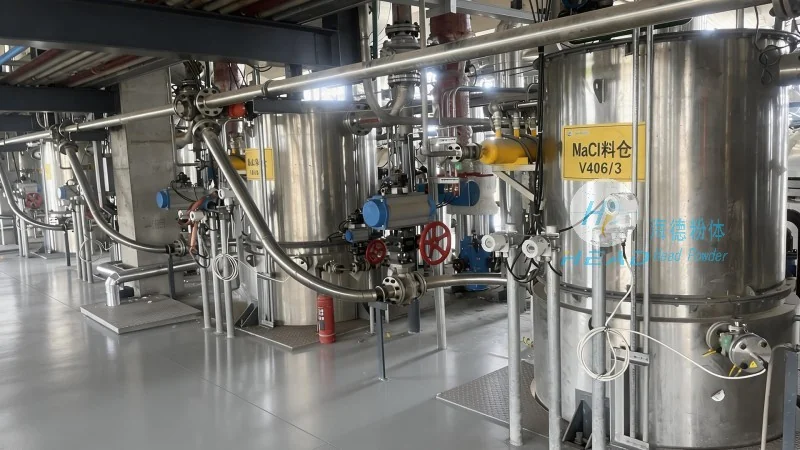
Understanding the Core Working Principles of Protein Powder Material Handling
Protein powder material handling systems are engineered to address the unique properties of protein powders, such as their fine particle size, hygroscopic nature, and sensitivity to moisture and temperature changes. The primary working principles revolve around controlling these factors to ensure the product remains stable and high-quality throughout the handling process. Key components and mechanisms include:
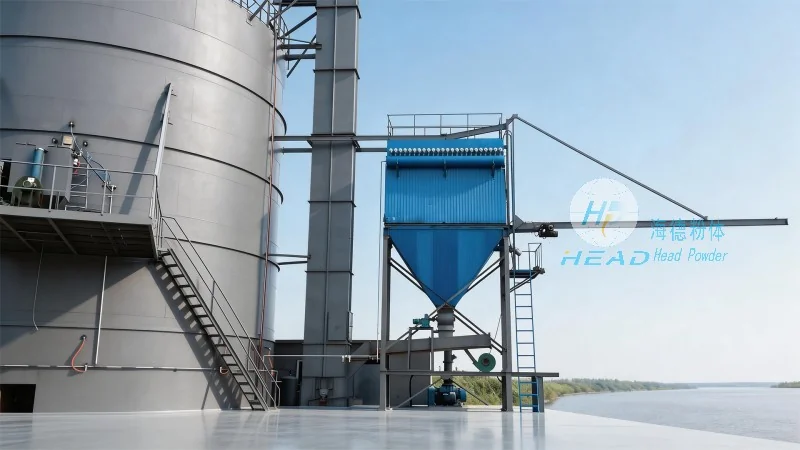
- Conveying Systems: Equipment like screw conveyors, belt conveyors, and pneumatic conveyors are used to move protein powder from one location to another. Screw conveyors are particularly effective for vertical or inclined transport due to their ability to handle fine powders without clogging, while pneumatic conveyors use air pressure to transport powder in a closed system, minimizing exposure to contaminants.
- Drying and Conditioning: Many protein powder handling processes include drying or conditioning steps to control moisture content. This is critical because protein powders are hygroscopic, meaning they absorb moisture from the air, which can lead to clumping and reduced quality. Drying systems, such as fluidized bed dryers or rotary dryers, are integrated into the handling line to maintain optimal moisture levels.
- Separation and Classification: To ensure uniform particle size and quality, protein powders often undergo separation processes. Sieving or air classification systems are used to remove oversized particles or impurities, ensuring the final product meets strict quality standards. This step is vital for maintaining consistency in the end product.
- Storage and Packaging: After processing, protein powder is typically stored in silos or bulk containers to prevent contamination and maintain freshness. Automated packaging systems then fill and seal bags or containers, ensuring product integrity until it reaches the consumer. This final stage of the handling process is designed to minimize exposure to environmental factors that could degrade the powder.
Key Features of Protein Powder Material Handling Systems
Effective protein powder material handling systems exhibit several key features that enhance performance and product quality. These features are tailored to address the specific challenges of handling fine, hygroscopic powders and are essential for maintaining operational efficiency in industrial settings:
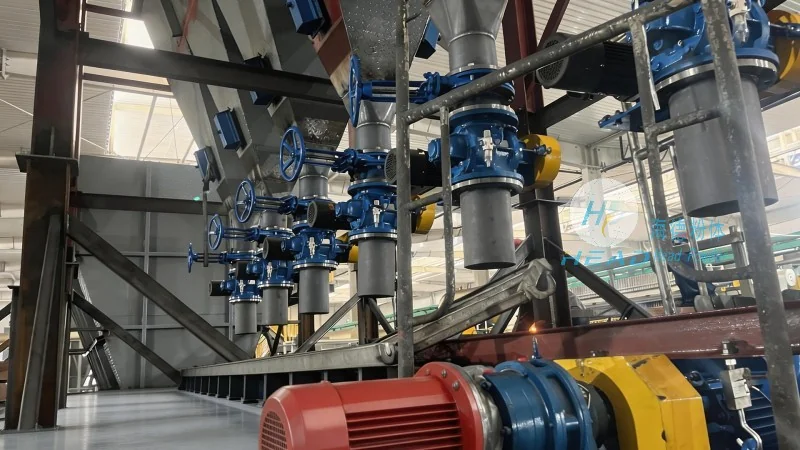
- Low-Pressure and Low-Temperature Operations: To prevent product degradation, many handling systems operate at low pressures and temperatures. This is particularly important for heat-sensitive protein powders, as excessive heat can cause denaturation or loss of nutritional value. The use of air-driven systems and gentle handling mechanisms minimizes stress on the powder particles.
- Airtight and Contamination-Free Design: Protein powders are highly susceptible to contamination from dust, moisture, or foreign particles. Handling systems are designed with airtight seals and enclosed conveyor lines to prevent exposure to the environment. This feature is critical for maintaining product purity and meeting regulatory standards for food and supplement industries.
- Modular and Scalable Design: Modern protein powder handling systems are often modular, allowing for easy expansion or reconfiguration as production needs change. This flexibility enables manufacturers to adapt to varying production volumes or product lines without significant capital investment. Scalability ensures that the system can grow with the business, supporting long-term operational needs.
- Advanced Control and Monitoring: Integrated control systems allow operators to monitor and adjust handling parameters in real-time. Sensors and feedback mechanisms track factors such as moisture content, particle size, and flow rates, enabling immediate adjustments to maintain optimal conditions. This level of automation enhances consistency and reduces the risk of human error, ensuring consistent product quality.
- Energy Efficiency: Efficient energy use is a key feature of modern handling systems. By optimizing conveyor speeds, reducing air pressure, and minimizing idle time, these systems lower operational costs while maintaining performance. Energy-efficient designs contribute to sustainability and long-term cost savings for manufacturers.
Conclusion: The Importance of Effective Protein Powder Material Handling
Protein powder material handling is a critical aspect of the production and distribution process, directly impacting product quality, operational efficiency, and customer satisfaction. By understanding the working principles and key features of these systems, manufacturers can optimize their operations to meet industry standards and consumer expectations. The integration of advanced technology and thoughtful design ensures that protein powders are handled with care, maintaining their nutritional value and purity from production to the final consumer. For businesses in the health and fitness sector, investing in reliable material handling solutions is essential for long-term success and market competitiveness.

 Shandong Headpowder Engineering Co., Ltd.
 156-6277-7102(Manager Zhang)
  0531-83386006
  Zhangqiu District, Jinan City, Shandong Province, China