With more than 10‑year industry experience, Shandong Headpowder delivers full‑service pneumatic‑conveying systems and blowers, undertaking nationwide turn‑key powder‑handling projects.
Rapeseed powder conveying is a critical process in the handling and transportation of rapeseed-based materials, playing a vital role in various industrial applications such as oil extraction, food processing, and feed production. Understanding the working principle and key characteristics of this technology is essential for optimizing operational efficiency and ensuring safe, reliable material handling. This article provides a detailed overview of the mechanisms involved and the distinctive features that define rapeseed powder conveying systems, presented by Shandong HeadPowder Engineering Co., Ltd., a leading provider of advanced powder handling solutions based in China.
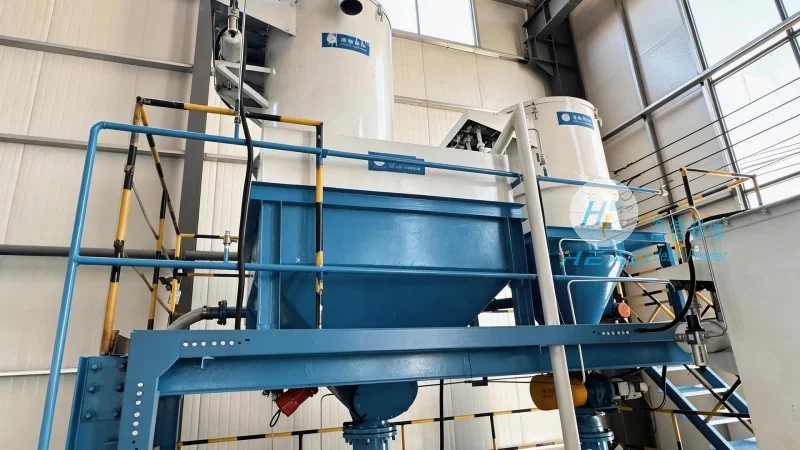
The working principle of rapeseed powder conveying systems typically involves the use of pneumatic or mechanical methods to transport fine rapeseed powders from one location to another. Pneumatic conveying, in particular, is widely adopted due to its ability to handle fine, dry powders like rapeseed meal or flour efficiently. The process generally starts with the material being fed into a hopper or silo, where it is then drawn into a conveying line by a vacuum or pressure system. Air is introduced into the system, creating a flow that carries the powder particles through the pipeline. The velocity and pressure of the air are carefully controlled to ensure the powder is transported without clogging or degradation. Mechanical conveying methods, such as screw conveyors or belt conveyors, may also be used for bulkier or more cohesive rapeseed powders, though they are less common for fine powders due to the risk of material degradation or blockages.
Several key characteristics define the performance and suitability of rapeseed powder conveying systems. Firstly, the system's ability to handle fine, abrasive powders without causing wear or damage to the equipment is crucial. This requires the use of high-quality materials for the conveying components, such as stainless steel or specialized coatings, to withstand the abrasive nature of rapeseed powders. Secondly, the system must maintain a consistent flow rate and pressure to prevent material buildup or clogging, which can lead to operational disruptions. Advanced control systems are often integrated into the design to monitor and adjust the conveying parameters in real-time, ensuring optimal performance. Thirdly, the system's energy efficiency is an important consideration, as pneumatic conveying can be energy-intensive. Modern systems incorporate energy-saving technologies, such as variable frequency drives and optimized air flow designs, to reduce operational costs. Additionally, the system's ability to handle varying moisture content and particle sizes is essential, as rapeseed powders can have different characteristics depending on the processing stage. The design of the conveying system must accommodate these variations to ensure reliable operation.
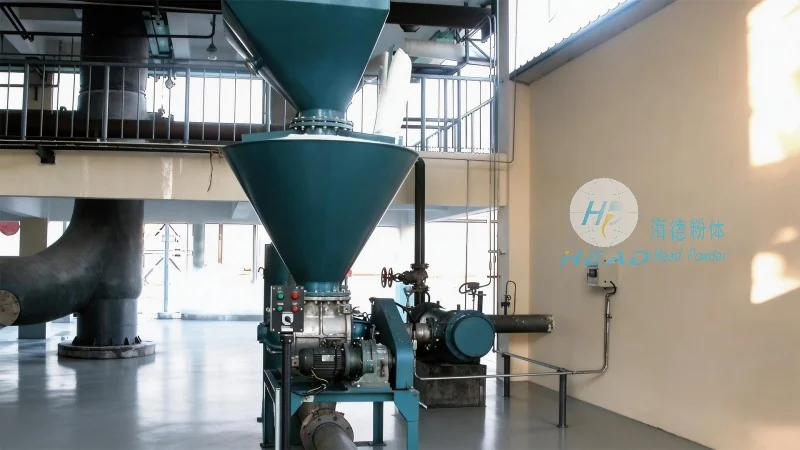
Implementing rapeseed powder conveying systems offers several advantages for industrial operations. One of the primary benefits is the reduction in manual handling, which enhances workplace safety and reduces the risk of dust exposure and material contamination. Automated conveying systems also improve operational efficiency by minimizing downtime and ensuring a continuous flow of materials. The ability to transport powders over long distances without the need for intermediate storage or handling points further enhances productivity. Furthermore, the use of advanced control systems allows for precise monitoring and adjustment of the conveying process, leading to better quality control and consistency in the final product. The systems are also designed to be compact and space-efficient, making them suitable for installations with limited floor space. Overall, rapeseed powder conveying systems provide a reliable, efficient, and safe method for handling rapeseed-based materials, contributing to improved operational performance and cost savings.
Rapeseed powder conveying systems are widely used in various industrial applications, particularly in the food and agricultural sectors. In oil extraction facilities, these systems are used to transport rapeseed meal or flour from storage silos to processing equipment, ensuring a steady supply of raw materials for oil pressing and refining. In food processing plants, the systems are employed to convey rapeseed-based ingredients for the production of baked goods, snacks, and other food products. The systems are also utilized in animal feed manufacturing, where rapeseed meal is a common ingredient in feed formulations. Additionally, in research and development facilities, the precise control of powder conveying is essential for conducting experiments and testing new processing methods. The versatility of rapeseed powder conveying systems makes them suitable for a wide range of applications, from small-scale operations to large industrial plants.
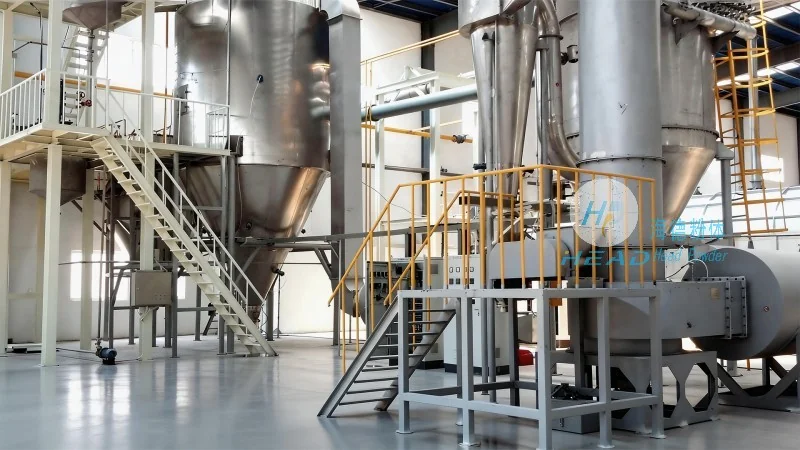
Proper maintenance and operational considerations are essential to ensure the long-term performance and reliability of rapeseed powder conveying systems. Regular inspection and cleaning of the conveying lines and components are necessary to prevent the buildup of powder residue, which can lead to clogging and reduced efficiency. The use of filters and separators in the system helps to remove moisture and debris from the air, extending the life of the equipment and maintaining product quality. Routine checks of the air pressure and flow rates are also important to identify any issues early and prevent major breakdowns. Additionally, training operators on the proper use and maintenance of the system is crucial for ensuring safe and efficient operation. By following these maintenance practices, industrial facilities can maximize the lifespan of their rapeseed powder conveying systems and minimize operational disruptions.
In conclusion, rapeseed powder conveying systems are a vital component of modern industrial operations, providing efficient and reliable transportation of fine rapeseed powders. The working principle, which typically involves pneumatic or mechanical methods, is designed to handle the unique characteristics of rapeseed materials, ensuring minimal degradation and consistent flow. The key characteristics of these systems, including their ability to handle abrasive powders, maintain consistent flow rates, and incorporate energy-saving technologies, make them suitable for a wide range of applications. The advantages of implementing such systems, including improved safety, operational efficiency, and cost savings, are significant for industrial operations. By understanding the principles and characteristics of rapeseed powder conveying, companies can make informed decisions about their material handling strategies and enhance their overall productivity. Shandong HeadPowder Engineering Co., Ltd. remains committed to providing advanced powder handling solutions that meet the evolving needs of the industry, ensuring the continued success of rapeseed processing and related applications.

 Shandong Headpowder Engineering Co., Ltd.
 156-6277-7102(Manager Zhang)
  0531-83386006
  Zhangqiu District, Jinan City, Shandong Province, China
telephone
WeChatconsult
top