

Working Principle and Features of Resin Sand Pneumatic Conveying Systems
Resin sand pneumatic conveying systems represent a sophisticated solution for the efficient handling of resin-coated sand, a vital component in modern foundry operations. These systems leverage air as the primary transport medium, enabling the seamless movement of sand particles from storage to processing areas. Understanding the underlying working principle and the distinct features of such systems is crucial for optimizing foundry productivity and maintaining high standards of material quality.
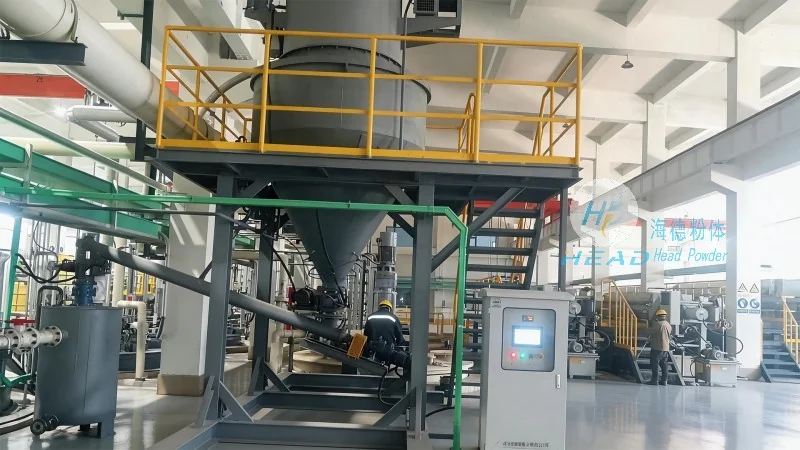
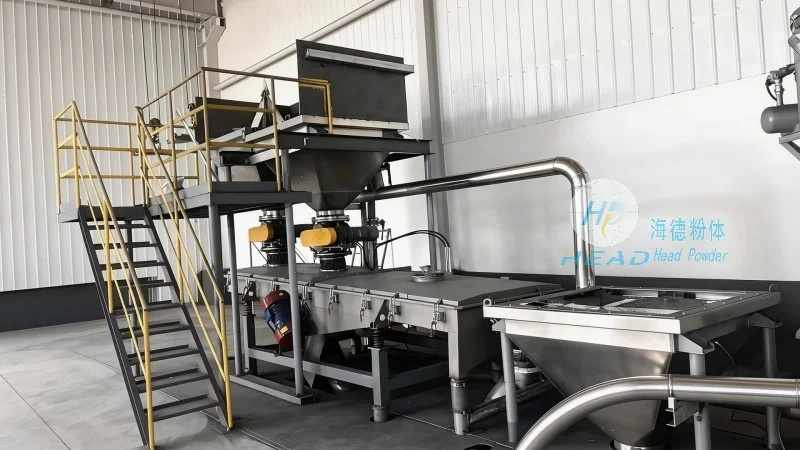
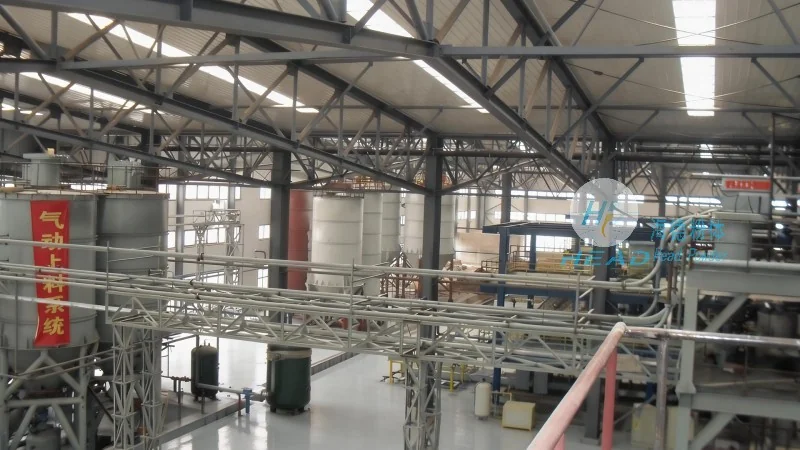
Working Principle of Resin Sand Pneumatic Conveying Systems
The fundamental operation of a resin sand pneumatic conveying system revolves around the generation of a high-velocity air stream that propels resin sand particles through a closed pipeline. The process commences with the resin sand being introduced into a hopper or feeder, where it is then transferred into the conveying line. A powerful blower or compressor supplies the necessary air pressure, creating a vacuum or positive pressure that draws the sand particles into the pipeline. As the air and sand mixture travels through the system, it encounters various components, including bends, elbows, and filters, which are strategically designed to maintain the integrity of the flow. The system may operate in either dilute-phase or dense-phase modes. In dilute-phase conveying, the sand particles are suspended in the air stream, allowing for higher conveying speeds and longer distances. In dense-phase conveying, the air flow is controlled to maintain a higher concentration of sand particles, which is beneficial for handling fine or abrasive materials without causing excessive wear on the system components. At the receiving end, a separation unit, such as a cyclone or a bag filter, separates the sand from the air. The sand is then deposited into a collection bin or hopper, while the air is filtered to remove any residual dust before being either vented or recirculated back into the system. This separation process ensures that the resin sand remains clean and free from contaminants, ready for the next stage of the foundry process.