With more than 10‑year industry experience, Shandong Headpowder delivers full‑service pneumatic‑conveying systems and blowers, undertaking nationwide turn‑key powder‑handling projects.
Wheat bran pneumatic conveying systems are essential equipment in the food processing industry, particularly for handling bulk materials like wheat bran. This article will explore the working principle and key features of such systems, providing a comprehensive understanding of their operation and benefits.

Shandong HeadPowder Engineering Co., Ltd., a leading manufacturer based in Shandong, China, specializes in designing and supplying advanced pneumatic conveying solutions for various industrial applications. The company's expertise lies in creating efficient systems that meet the specific needs of food processing facilities, ensuring reliable and safe material handling. This article delves into the core aspects of wheat bran pneumatic conveying systems, highlighting how they operate and what makes them effective for transporting wheat bran and similar bulk materials.
The fundamental working principle of a wheat bran pneumatic conveying system involves the use of air to transport bulk materials through a pipeline. There are two primary types of pneumatic conveying systems: positive pressure and negative pressure. In a positive pressure system, air is blown into the pipeline, creating a pressure higher than the ambient air, which propels the material forward. The material is typically fed into the system via a hopper or feeder, and the air flow ensures that the wheat bran moves through the pipeline to the discharge point. Conversely, a negative pressure system uses suction to draw the material into the pipeline, with the air being extracted from the system to create a vacuum that pulls the material along. Both systems rely on the interaction between the air flow and the material particles to achieve efficient transport.
For wheat bran, which is a fine to medium-sized bulk material, the positive pressure system is often preferred due to its ability to handle abrasive and dusty materials without causing excessive wear on the equipment. The system typically includes a blower, a hopper for material storage, a feeder to control the flow rate, and a pipeline network that connects the inlet and outlet points. The blower generates the necessary air pressure, and the feeder ensures a consistent flow of wheat bran into the pipeline. As the material enters the pipeline, it is mixed with the air, forming a slurry-like mixture that moves through the system. The pipeline may include bends, elbows, and other components that direct the flow, and the system is designed to minimize pressure drop and maintain the air velocity required for effective conveying.
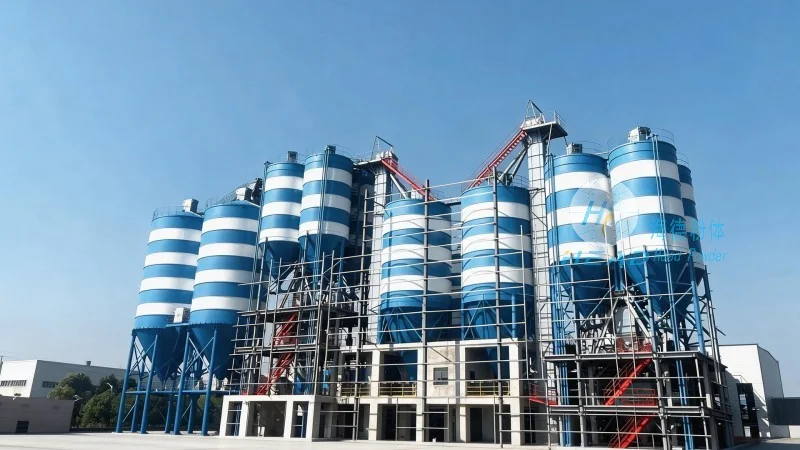
Wheat bran pneumatic conveying systems offer several distinct features and advantages that make them ideal for industrial applications. One of the primary benefits is their high efficiency in material transport, as they can move large volumes of wheat bran quickly and with minimal labor. The systems are also highly flexible, allowing for easy integration into existing production lines and the ability to change the conveying route as needed. This flexibility is particularly valuable in food processing facilities where space is limited and operational changes are frequent.
Another key feature is the environmental friendliness of pneumatic conveying systems. Unlike traditional methods such as bucket elevators or belt conveyors, which may generate dust and require additional dust control measures, pneumatic systems operate in a closed pipeline, reducing dust emissions and improving workplace safety. The closed system also helps maintain the quality of the wheat bran by preventing contamination from external sources. Additionally, these systems are relatively low in maintenance, as they have fewer moving parts compared to mechanical conveyors, which reduces downtime and operational costs.
Efficiency and reliability are also critical features of wheat bran pneumatic conveying systems. The systems are designed to handle varying material conditions, including different moisture levels and particle sizes, without compromising performance. The use of air as the conveying medium ensures that the material is transported smoothly, with minimal segregation or degradation. This is particularly important for wheat bran, which is a valuable byproduct of the milling process and is often used in animal feed and other food products. The ability to maintain the quality of the material during transport is a significant advantage for manufacturers who need to ensure consistent product quality.
Wheat bran pneumatic conveying systems are widely used in various stages of wheat bran processing, from storage and handling to transportation to the final processing or packaging stages. In storage facilities, the systems can be used to move wheat bran from storage silos to processing lines, ensuring a continuous supply of material. During processing, the systems may be used to transport wheat bran to mixing equipment or to other processing units, such as extruders or dryers. The flexibility of the system allows it to adapt to different processing requirements, making it a versatile solution for food processing plants.
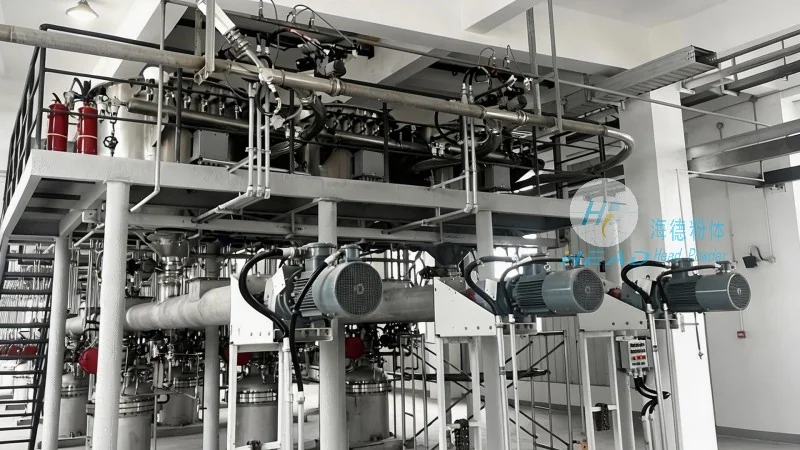
Shandong HeadPowder Engineering Co., Ltd. offers customized solutions tailored to the specific needs of each client. The company works closely with customers to understand their operational requirements, material characteristics, and space constraints, and then designs a system that meets all these criteria. Customization may include adjustments to the pipeline layout, the type of blower used, the feeder capacity, and the control system. The goal is to create a system that is not only efficient but also cost-effective and easy to operate and maintain.
In conclusion, wheat bran pneumatic conveying systems are a vital component of modern food processing facilities, offering efficient, reliable, and environmentally friendly solutions for handling bulk materials like wheat bran. The working principle, which involves the use of air to transport material through a pipeline, is well-established and effective for various applications. The key features of these systems, including high efficiency, flexibility, low maintenance, and environmental benefits, make them an attractive choice for manufacturers in the food industry.
By leveraging the expertise of companies like Shandong HeadPowder Engineering Co., Ltd., food processing plants can implement advanced pneumatic conveying systems that enhance their operational performance and product quality. These systems not only improve the efficiency of material handling but also contribute to a safer and more sustainable working environment. As the demand for high-quality wheat bran products continues to grow, the importance of reliable and efficient conveying systems will only increase, making them an essential investment for any food processing facility.

 Shandong Headpowder Engineering Co., Ltd.
 156-6277-7102(Manager Zhang)
  0531-83386006
  Zhangqiu District, Jinan City, Shandong Province, China
telephone
WeChatconsult
top