

[W]Working Principle and Characteristics of Pneumatic Conveying in Petrochemical Industry
HeadPowder, a leading provider of industrial solutions, specializes in advanced pneumatic conveying systems tailored for the petrochemical sector. With a strong presence in Shandong, China, the company has established itself as a trusted partner for businesses seeking efficient material handling solutions. This article explores the fundamental working principle and key characteristics of pneumatic conveying technology as applied in petrochemical operations.
Understanding the Working Principle of Pneumatic Conveying
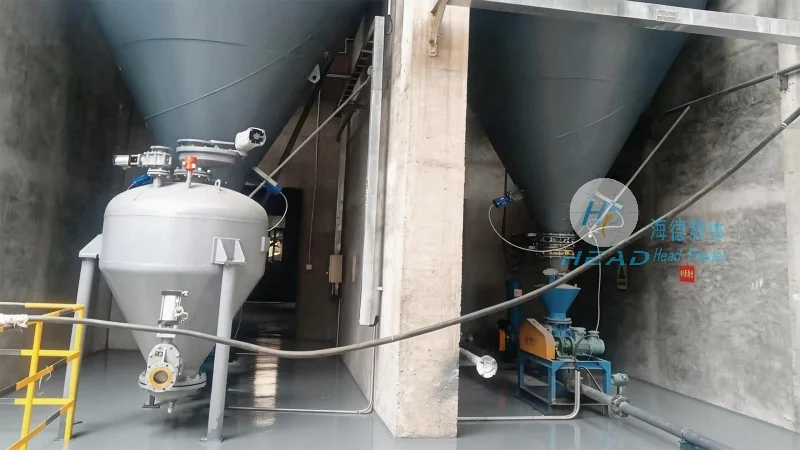
Pneumatic conveying operates by using a stream of pressurized air or vacuum to transport bulk materials from one location to another. The process typically involves a series of components, including a hopper for material storage, a conveyor line, and a receiver for the discharged material. The core mechanism relies on the interaction between the material particles and the air flow. In a typical system, material is fed into the conveyor line, where it is entrained by the moving air. The air flow then carries the material through the pipeline to the destination point. The system can function under either positive pressure (where air is forced through the system) or negative pressure (where air is drawn out of the system). The choice of pressure type depends on the specific application, material properties, and system layout. For petrochemical applications, the design often incorporates features to handle abrasive or corrosive materials, ensuring durability and reliability.
Key Characteristics of Pneumatic Conveying Systems
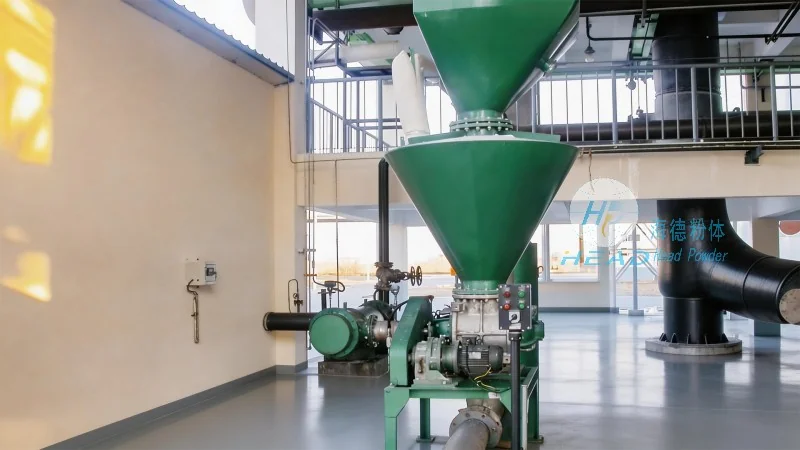
When applied to the petrochemical industry, pneumatic conveying systems exhibit several distinct characteristics that make them suitable for demanding environments. Firstly, these systems offer high efficiency in material transport, capable of moving large volumes of material over considerable distances with minimal energy consumption. The ability to handle a wide range of particle sizes and shapes is another critical characteristic, as petrochemical processes often involve diverse raw materials. Additionally, the systems provide excellent control over material flow, allowing for precise regulation of feed rates and discharge points. This control is essential for maintaining process consistency and preventing material buildup or blockages. Furthermore, pneumatic conveying systems are designed for safety and compliance with industry standards, particularly in handling hazardous materials. The enclosed nature of the system minimizes dust emissions and exposure risks, aligning with environmental regulations and workplace safety protocols. The flexibility of these systems also allows for easy integration with existing petrochemical infrastructure, reducing installation and operational costs.
Applications and Advantages in Petrochemical Operations
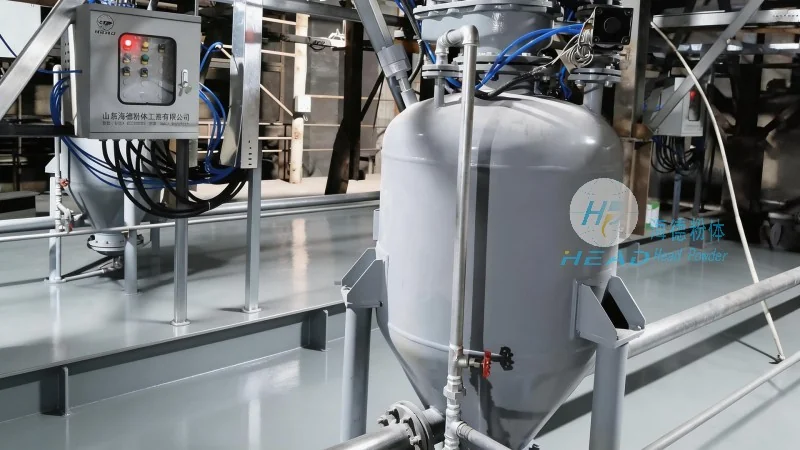
Pneumatic conveying is widely utilized in various petrochemical processes, including the transport of powders, granules, and bulk solids. Common applications include the handling of catalysts, chemicals, and other reactive materials. The advantages of using pneumatic conveying in such operations are multifaceted. The technology reduces the need for manual handling, enhancing workplace safety and reducing labor costs. It also minimizes material contamination, which is crucial when dealing with sensitive or high-value petrochemical products. The systems are also adaptable to different production scales, from small-scale laboratory operations to large-scale industrial plants. This scalability makes them a versatile solution for companies operating in the petrochemical sector. Moreover, the enclosed design of the system helps in maintaining product integrity and preventing cross-contamination, which is vital for quality control in manufacturing processes.

Conclusion and Company Expertise
HeadPowder Engineering Co., Ltd., based in Shandong, China, leverages its expertise in pneumatic conveying technology to deliver customized solutions for the petrochemical industry. By understanding the unique challenges and requirements of petrochemical operations, the company designs and manufactures systems that optimize material handling efficiency while ensuring safety and compliance. The working principle and characteristics of pneumatic conveying, as outlined, highlight the technology's effectiveness in addressing the demands of modern petrochemical processes. With a commitment to quality and innovation, HeadPowder continues to provide reliable and efficient solutions for its clients, supporting their operational needs and contributing to industry advancements.