With more than 10‑year industry experience, Shandong Headpowder delivers full‑service pneumatic‑conveying systems and blowers, undertaking nationwide turn‑key powder‑handling projects.
For industrial applications that require the safe and efficient transportation of sodium hydroxide, specialized equipment is essential. This article explores the working principle and key features of sodium hydroxide material handling equipment, providing insights into how these systems operate and the advantages they offer in various industrial settings.
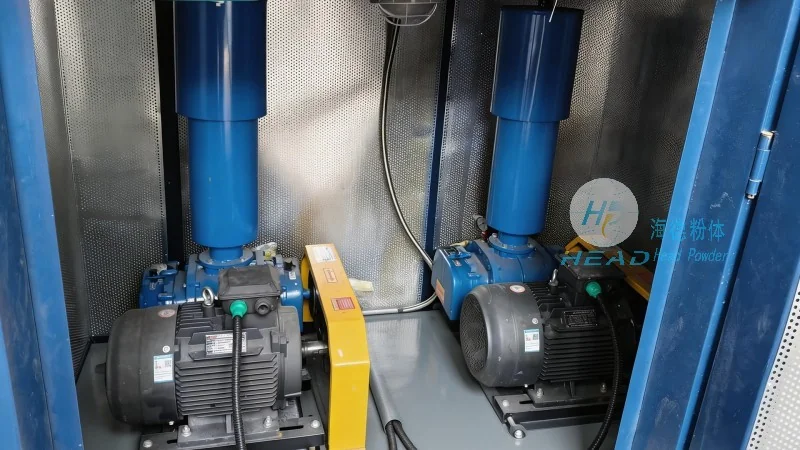
Sodium hydroxide, commonly known as caustic soda, is a highly caustic and reactive chemical used in numerous industries, including chemical manufacturing, paper production, and water treatment. Due to its corrosive nature, handling this substance demands robust and specialized equipment designed to ensure safety, efficiency, and compliance with industrial standards. The equipment used for transporting sodium hydroxide typically includes pumps, conveyors, and storage tanks, all engineered to manage the chemical's properties effectively.
The core function of sodium hydroxide material handling equipment is to transport the chemical from storage to processing areas while maintaining its integrity and safety. The working principle generally involves several key steps:
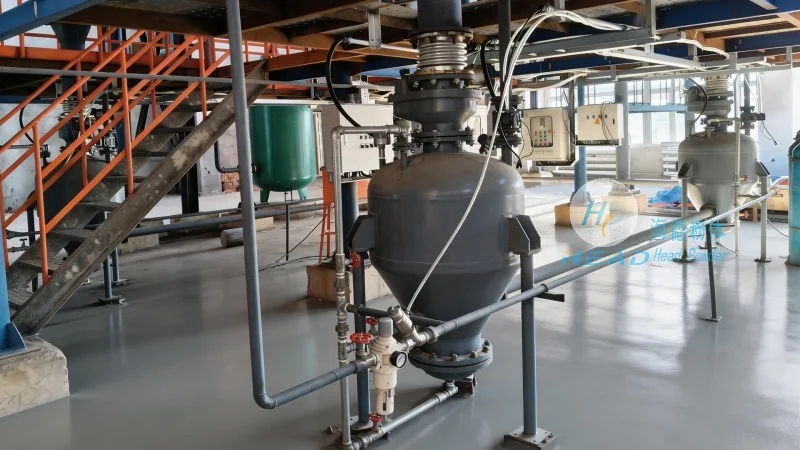
Effective sodium hydroxide material handling equipment is characterized by several critical features that enhance performance, safety, and reliability:
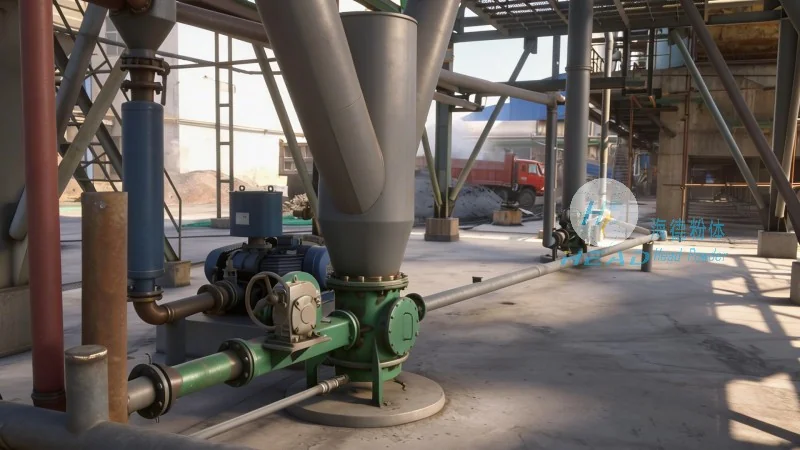
Shandong HeadPowder Engineering Co., Ltd., a leading manufacturer in the field, specializes in designing and manufacturing high-quality sodium hydroxide material handling equipment. With a focus on innovation and customer satisfaction, the company has built a reputation for delivering reliable and efficient solutions tailored to the specific needs of industrial clients.
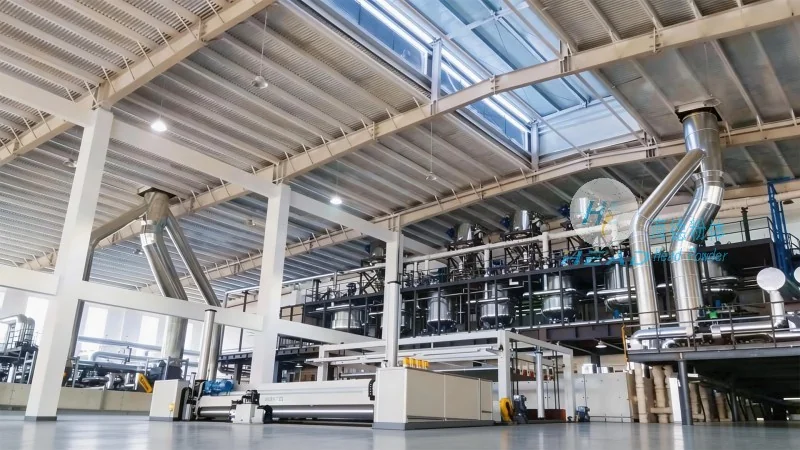
HeadPowder's expertise lies in understanding the unique challenges of handling caustic chemicals and developing equipment that meets stringent safety and performance standards. The company's products are engineered to provide long service life, minimal maintenance, and consistent performance, ensuring that clients can operate their processes with confidence.
HeadPowder's commitment to quality is reflected in its adherence to international standards and rigorous testing protocols. Each piece of equipment undergoes thorough inspection and performance testing before delivery, ensuring that it meets the highest industry benchmarks. The company also provides comprehensive after-sales support, including installation, training, and maintenance services, to ensure that clients can maximize the value of their investment.

 Shandong Headpowder Engineering Co., Ltd.
 156-6277-7102(Manager Zhang)
  0531-83386006
  Zhangqiu District, Jinan City, Shandong Province, China
telephone
WeChatconsult
top