

Gas - Power Conveying Equipment for Calcium Carbide Dust Removal Ash: Design Principles Explained
For industrial facilities dealing with calcium carbide dust removal ash, efficient material handling is crucial. The gas - power conveying equipment designed by Shandong HeadPowder Engineering Co., Ltd. in China offers a reliable solution. This equipment is specifically engineered to handle the unique challenges associated with calcium carbide dust removal ash, ensuring safe and effective material transport within industrial processes. The company, based in Shandong, China, specializes in providing advanced material handling solutions tailored to the demands of modern industrial applications.
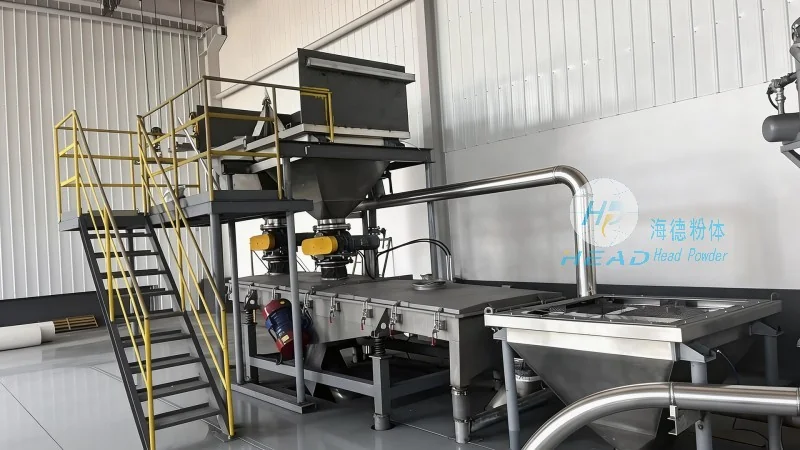
Understanding the Role of Gas - Power Conveying in Calcium Carbide Dust Removal
The gas - power conveying equipment for calcium carbide dust removal ash plays a vital role in maintaining operational efficiency and safety in industrial settings. Calcium carbide dust removal ash is a by - product that requires careful handling due to its abrasive and potentially hazardous nature. Traditional material handling methods may struggle with the unique properties of this ash, such as its fine particle size and potential reactivity. The gas - power conveying system addresses these challenges by utilizing air as the primary conveying medium, allowing for the transport of the ash without direct contact with mechanical components. This approach minimizes wear and tear on equipment while ensuring the safe and efficient movement of the material.
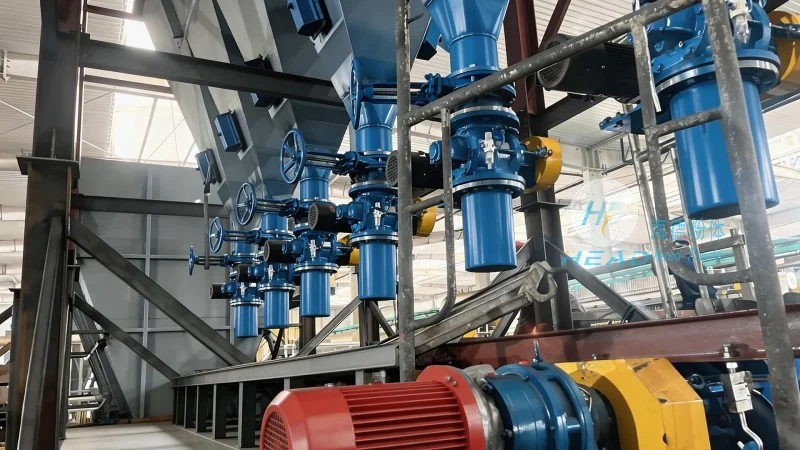
Design Principles of the Gas - Power Conveying Equipment
The design of the gas - power conveying equipment for calcium carbide dust removal ash is based on several key principles aimed at optimizing performance and reliability. First, the system incorporates a high - efficiency air - flow mechanism that ensures consistent and controlled movement of the ash particles. The air flow is carefully regulated to maintain the optimal velocity for conveying, preventing particle deposition and ensuring smooth transport. Second, the equipment features a robust and durable construction to withstand the abrasive nature of calcium carbide dust removal ash. The materials used in the construction, such as corrosion - resistant metals and high - quality plastics, are selected to minimize wear and extend the service life of the equipment. Third, the design emphasizes safety and operational flexibility. The system includes features like automatic shut - off valves and pressure sensors that monitor the air flow and pressure levels, providing real - time feedback and preventing potential hazards. Additionally, the equipment is designed for easy maintenance and cleaning, with accessible components that allow for quick inspection and repair.
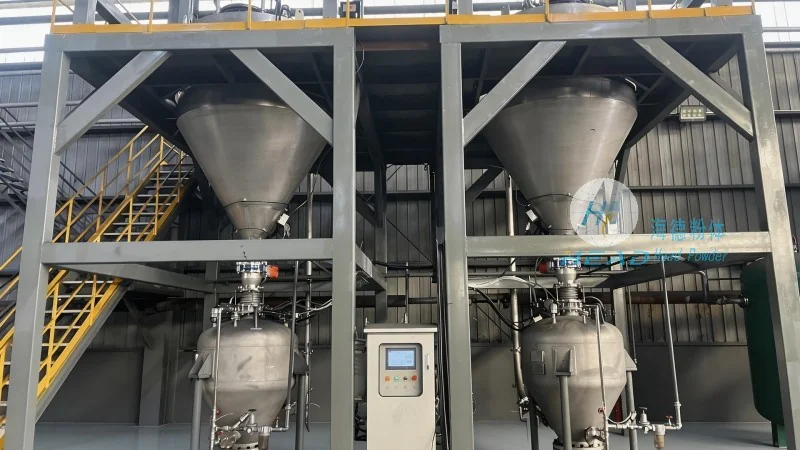
Key Components and Their Functions
The gas - power conveying equipment for calcium carbide dust removal ash consists of several key components, each playing a critical role in the overall operation. The primary components include the air compressor, which generates the necessary air pressure for conveying; the hopper, which holds the calcium carbide dust removal ash and feeds it into the conveying line; the conveying pipe, which transports the ash from the hopper to the discharge point; and the control system, which regulates the air flow and pressure. The air compressor is responsible for providing the high - pressure air required to move the ash particles through the system. The hopper is designed with a sloped bottom to facilitate the flow of the ash into the conveying line, preventing blockages and ensuring consistent material feed. The conveying pipe is typically made of corrosion - resistant materials to withstand the abrasive nature of the ash and to maintain the integrity of the air flow. The control system uses sensors and valves to monitor and adjust the air pressure and flow rate, ensuring that the conveying process operates within optimal parameters. Each component is carefully engineered to work in harmony, providing a reliable and efficient solution for handling calcium carbide dust removal ash.
Benefits of Using Gas - Power Conveying Equipment
Implementing the gas - power conveying equipment for calcium carbide dust removal ash offers several significant benefits for industrial facilities. First, it enhances operational efficiency by reducing the time and labor required for material handling. The automated system minimizes the need for manual intervention, allowing workers to focus on other critical tasks. Second, it improves safety by eliminating the need for direct handling of the ash, which can be hazardous due to its fine particle size and potential reactivity. The enclosed system prevents dust exposure and reduces the risk of accidents. Third, it increases equipment lifespan by minimizing wear and tear on mechanical components. The air - based conveying method reduces friction and abrasion, extending the service life of the equipment and reducing maintenance costs. Fourth, it provides flexibility in material transport, allowing for the conveyance of the ash to various locations within the facility or to off - site disposal sites. The adjustable air flow and pressure settings enable the system to handle different volumes and types of ash, making it a versatile solution for diverse industrial needs.
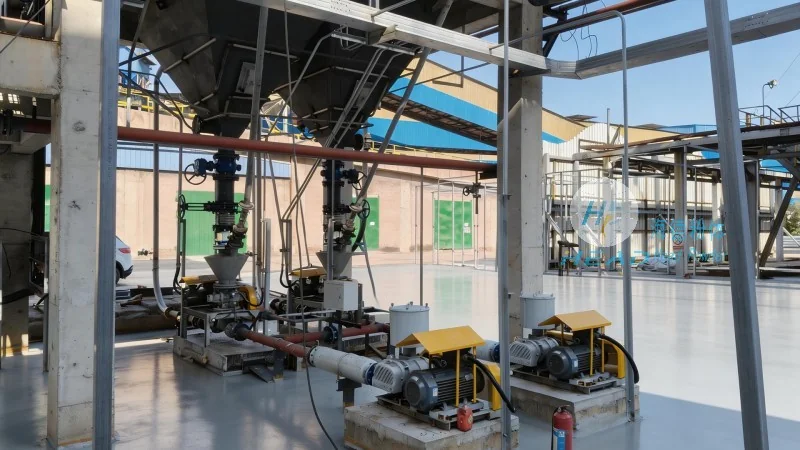
Application Scenarios and Operational Considerations
The gas - power conveying equipment for calcium carbide dust removal ash is suitable for a wide range of industrial applications, particularly in facilities that produce or process calcium carbide. Common applications include transporting the ash from dust removal systems to storage silos or disposal sites, as well as conveying the ash to processing units for further treatment. The equipment is designed to handle varying ash volumes and particle sizes, making it adaptable to different production scales. Operational considerations are important when implementing this equipment. Proper maintenance, such as regular cleaning of the hopper and conveying pipe, is essential to prevent clogging and ensure consistent performance. Additionally, the system should be integrated with the existing dust removal and processing systems to ensure seamless operation. The air compressor should be sized appropriately to meet the conveying requirements, and the control system should be calibrated to maintain optimal air pressure and flow. By following these operational guidelines, facilities can maximize the efficiency and reliability of the gas - power conveying equipment.