

What is a Pearl Salt Powder Material Pneumatic Conveying System? Understanding Its Design Principles
For industrial applications involving the handling of fine powders like pearl salt, pneumatic conveying systems offer an efficient and reliable method for material transport. This article explores the concept of a pearl salt powder material pneumatic conveying system, detailing its components, operational mechanisms, and the underlying design principles that ensure optimal performance.
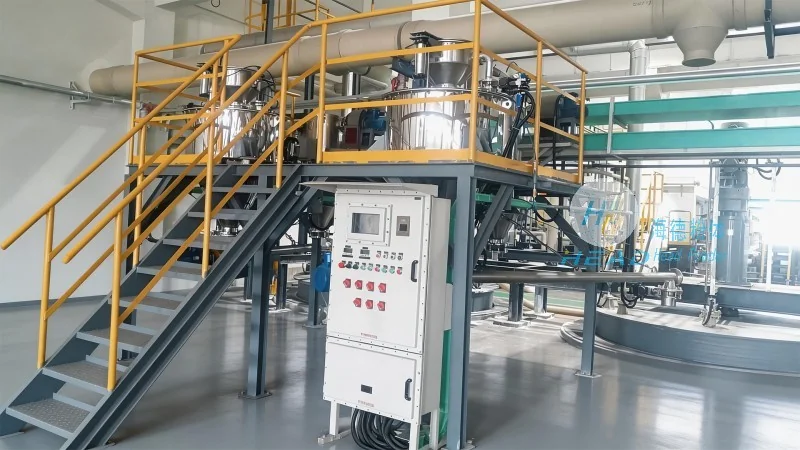
What is a Pearl Salt Powder Material Pneumatic Conveying System?
A pearl salt powder material pneumatic conveying system is a type of industrial equipment designed to transport dry, fine materials such as pearl salt through a pipeline using compressed air or other gas. Unlike traditional mechanical conveying methods, which rely on belts, screws, or buckets, pneumatic systems utilize the force of air to move the material, making them particularly suitable for delicate or dusty powders that are prone to caking or degradation under mechanical stress.
Key Components of the System
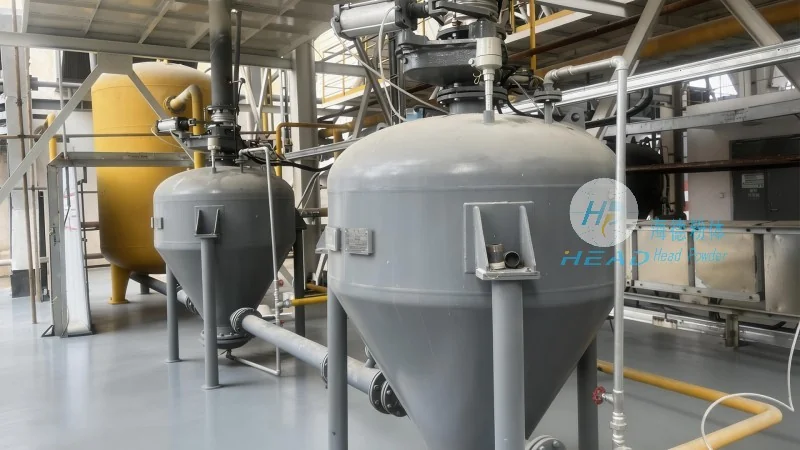
The core components of a pneumatic conveying system for pearl salt powder typically include a material hopper, a feeder, a conveying line, a receiver, and a dust collection system. The material hopper stores the pearl salt powder, while the feeder regulates the flow of material into the conveying line. The conveying line, often made of stainless steel or other corrosion-resistant materials, transports the powder through the system. The receiver collects the material at the destination, and the dust collection system ensures that any airborne particles are captured and returned to the system or disposed of safely.
Design Principles for Optimal Performance
The design of a pneumatic conveying system for pearl salt powder is guided by several key principles to ensure efficiency, reliability, and safety. These principles include maintaining consistent air pressure and flow rates, selecting appropriate materials for the conveying line to prevent corrosion or material buildup, and implementing effective dust control measures to protect both the equipment and the environment.
Operational Mechanisms
During operation, the system works by introducing compressed air into the conveying line, which creates a low-pressure zone that draws the pearl salt powder from the hopper into the line. The air and powder mixture then travels through the pipeline to the receiver, where the air is separated from the material and either vented or recycled. The design of the system must account for factors such as the particle size, density, and moisture content of the pearl salt powder, as these characteristics influence the required air velocity and pressure to achieve effective transport.
Advantages of Pneumatic Conveying for Pearl Salt Powder
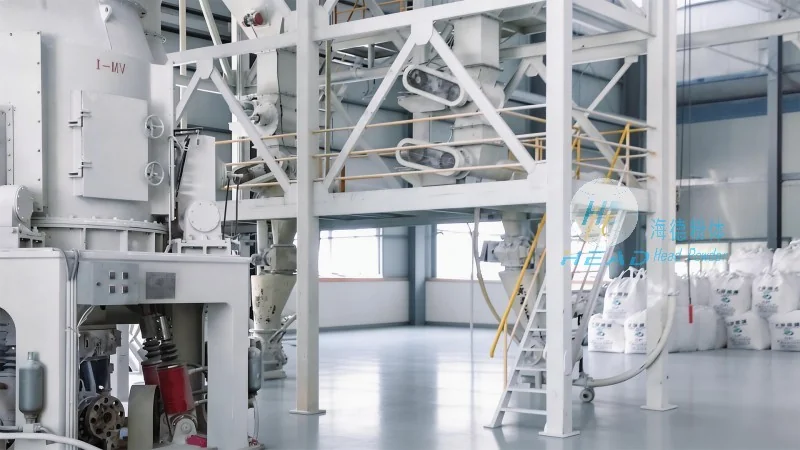
Pneumatic conveying systems offer several advantages for handling pearl salt powder, including the ability to transport materials over long distances without the need for multiple transfer points, reduced risk of product contamination compared to mechanical systems, and lower maintenance requirements due to the absence of moving parts in the conveying line. Additionally, these systems can be designed to handle varying material flow rates, making them adaptable to different production needs.
Applications in Industrial Settings
Pearl salt powder material pneumatic conveying systems are widely used in various industrial sectors, including food processing, chemical manufacturing, and pharmaceutical production. In the food industry, for example, such systems are used to transport pearl salt from storage silos to processing lines, ensuring a clean and hygienic transfer process. In chemical plants, they facilitate the movement of pearl salt between reactors and storage tanks, maintaining the integrity of the material and preventing cross-contamination.
Customization and Scalability
Given the diverse requirements of different industrial applications, pneumatic conveying systems for pearl salt powder are often customized to meet specific operational needs. This may involve adjusting the size of the conveying line, modifying the air pressure and flow rates, or integrating additional features such as temperature control or material drying capabilities. The systems can also be scaled to accommodate varying production volumes, from small-scale operations to large industrial facilities.
Maintenance and Safety Considerations
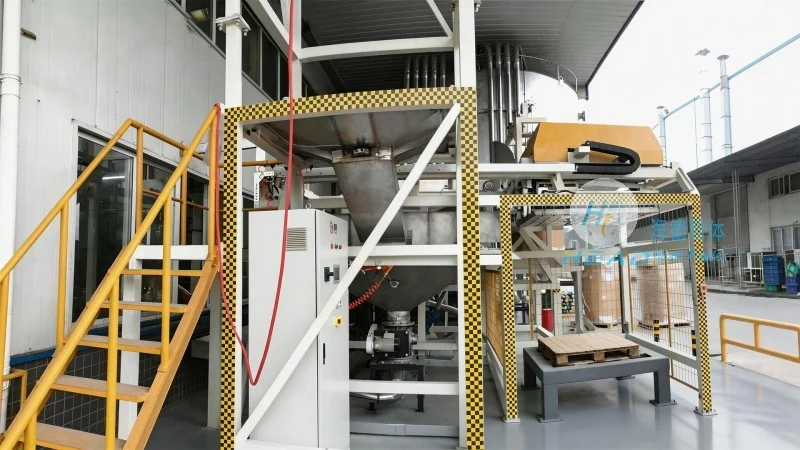
Proper maintenance is crucial to ensure the long-term performance and safety of a pneumatic conveying system for pearl salt powder. Regular inspections of the conveying line for signs of corrosion or blockages, cleaning of the dust collection system to prevent clogging, and checking of air pressure and flow rates are essential maintenance tasks. Safety considerations include implementing proper ventilation to remove dust and fumes, using explosion-proof components in areas where flammable materials may be present, and ensuring that all equipment is properly grounded to prevent electrical hazards.
Conclusion
Pearl salt powder material pneumatic conveying systems represent a sophisticated and efficient solution for the transport of fine powders in industrial settings. By adhering to sound design principles and incorporating appropriate components, these systems can deliver reliable performance while minimizing the risk of material degradation or equipment failure. As a leading provider in the field, Shandong HeadPowder Engineering Co., Ltd. specializes in the design, manufacturing, and installation of such systems, leveraging years of expertise to meet the unique needs of their clients.