

What is a Fertilizer Granular Material Pneumatic Conveying System? What Are Its Design Principles?
Fertilizer granular material pneumatic conveying systems are critical in the agricultural and chemical sectors for efficiently transporting bulk granular materials like fertilizer, chemicals, and powders. These systems use air or gas as the conveying medium to move materials from one location to another, offering a flexible and efficient alternative to traditional mechanical conveying methods. The primary objective of these systems is to ensure reliable, cost-effective, and safe transportation of granular products, which is vital for maintaining productivity in fertilizer production and distribution operations.
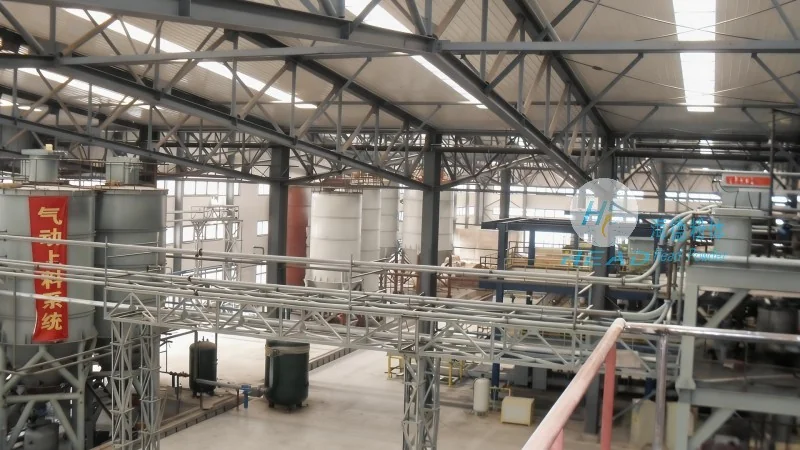
Understanding the Core Components of Pneumatic Conveying Systems
At the core of a fertilizer granular material pneumatic conveying system are several key components that collaborate to achieve effective material transport. The main components include the material feed hopper, which holds granular fertilizer and controls flow rate; the air compressor or blower, which generates necessary air pressure for material movement; the conveying line, which can be either positive or negative pressure depending on system design; and the discharge hopper or receiver, where material is deposited. Additionally, components like filters, cyclones, and dust collectors are integrated to manage air quality and prevent material loss. Each component plays a critical role in ensuring efficient and safe operation, minimizing downtime and maintenance costs.
Design Principles for Optimal Performance
The design principles of a fertilizer granular material pneumatic conveying system are tailored to meet specific operational requirements, such as material characteristics, transport distance, and desired throughput. Key design considerations include selecting appropriate air velocity, which must be high enough to entrain material particles but low enough to prevent excessive wear on system components. The system design also accounts for particle size, density, and flowability of the fertilizer, as these factors influence the air pressure and flow rate needed for effective conveying. For instance, systems handling fine or cohesive granules may require higher air velocities or specialized hopper designs to prevent blockages. Additionally, the system layout, including length and diameter of the conveying line, is carefully calculated to ensure consistent material flow and minimize pressure drop. Proper design also incorporates safety features, such as pressure relief valves and explosion-proof components, to protect against potential hazards in fertilizer handling.
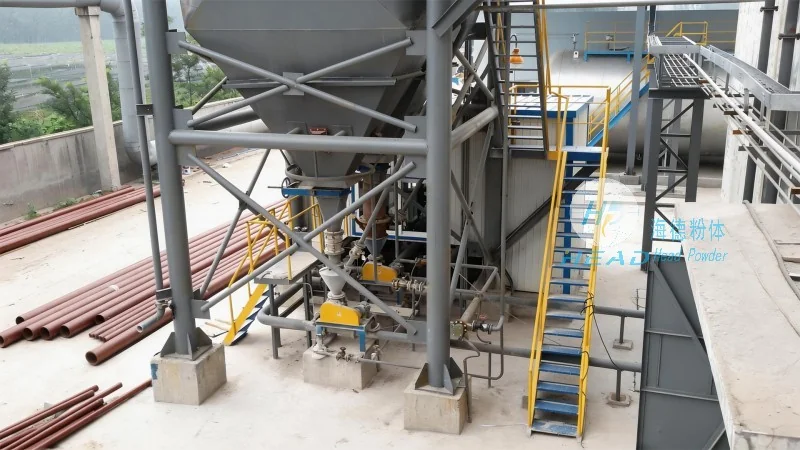
Advantages of Pneumatic Conveying Systems in Fertilizer Handling
Compared to traditional mechanical conveying methods like belt or screw conveyors, pneumatic conveying systems offer several advantages in fertilizer handling. One significant benefit is the ability to transport materials over long distances without multiple transfer points, reducing spillage and contamination risks. The flexible nature of pneumatic systems allows easy integration with existing production lines and reconfiguration for changing production volumes or material types. Additionally, these systems minimize material degradation, as the material is not subjected to excessive friction or impact. Another key advantage is reduced maintenance needs, as pneumatic systems have fewer moving parts compared to mechanical alternatives, resulting in lower operational costs and increased reliability. This makes them an attractive option for fertilizer manufacturers aiming to optimize material handling processes.
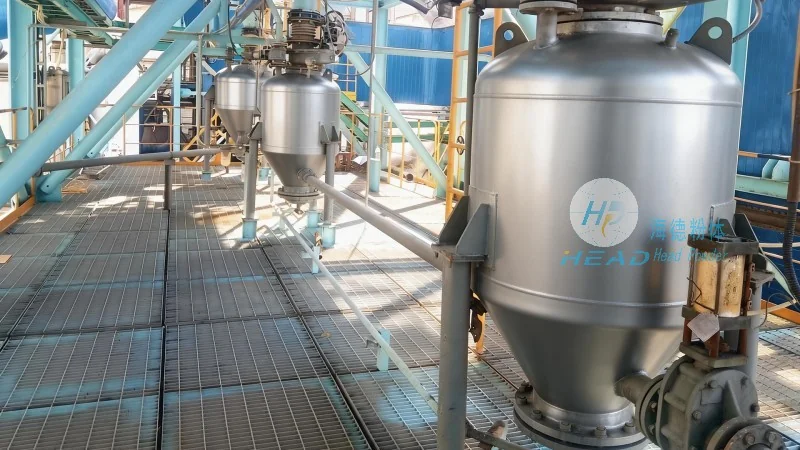
Applications in Fertilizer Production and Distribution
Fertilizer granular material pneumatic conveying systems are widely used across various stages of fertilizer production and distribution. In manufacturing, these systems transport raw materials from storage silos to processing units and finished granules from production lines to storage or packaging areas. During distribution, they move fertilizer from the production facility to distribution centers or directly to farms, ensuring timely delivery and minimizing handling time. The systems are also used in blending operations, where different fertilizers are mixed for customized formulations. Their versatility makes them suitable for a range of products, including NPK fertilizers and specialty fertilizers like organic or slow-release types.
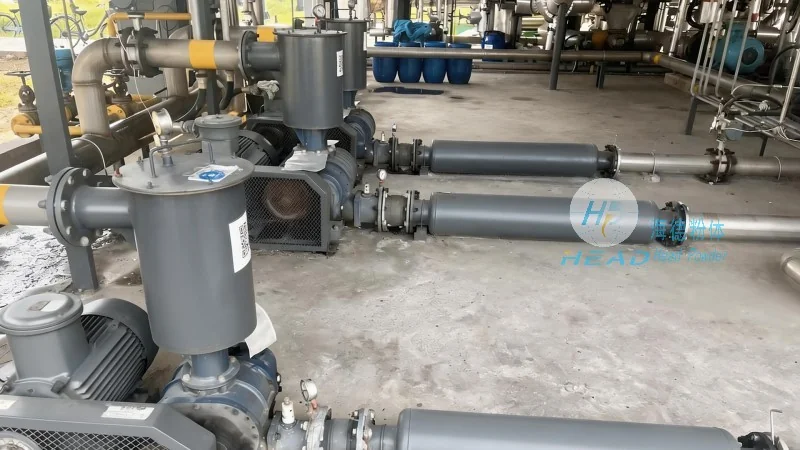
Key Considerations for System Installation and Maintenance
When installing a fertilizer granular material pneumatic conveying system, several factors must be considered to ensure optimal performance and longevity. The system layout should minimize bends and directional changes to reduce pressure losses and blockage risks. Proper sealing of all connections prevents air leakage, enhancing efficiency and reducing energy use. The material of construction for conveying lines and components must match the fertilizer's properties, such as corrosiveness or abrasiveness, to avoid wear. Regular maintenance, including filter and cyclone cleaning, air leak checks, and component inspections, is crucial for maintaining performance. By following proper installation and maintenance, fertilizer manufacturers can ensure their systems operate efficiently, maximizing productivity and minimizing downtime.
HeadPowder Engineering: Experts in Pneumatic Conveying Solutions
Shandong HeadPowder Engineering Co., Ltd., a leading manufacturer of pneumatic conveying systems, specializes in designing and manufacturing customized solutions for the fertilizer industry. With years of experience, HeadPowder has developed high-quality systems tailored to fertilizer manufacturers' needs, ensuring efficient and reliable material transport. The company's expertise lies in addressing unique fertilizer handling challenges, such as material variability and safety requirements. HeadPowder's systems optimize performance, reduce maintenance costs, and enhance productivity for fertilizer production and distribution. By leveraging advanced technology and rigorous quality control, HeadPowder provides solutions that meet the evolving demands of the agricultural sector.