

What is a Wood Fiber Powder Pneumatic Conveying System? And What Are Its Design Principles?
Wood fiber powder pneumatic conveying systems are specialized industrial equipment designed to transport wood fiber powders through a pipeline using air pressure. These systems are crucial in various industries, such as paper manufacturing, woodworking, and biomass processing, where efficient and reliable material handling is essential. Understanding the core components and design principles of such systems is vital for optimizing operational efficiency and ensuring safe, low-damage transport of wood fiber powders.
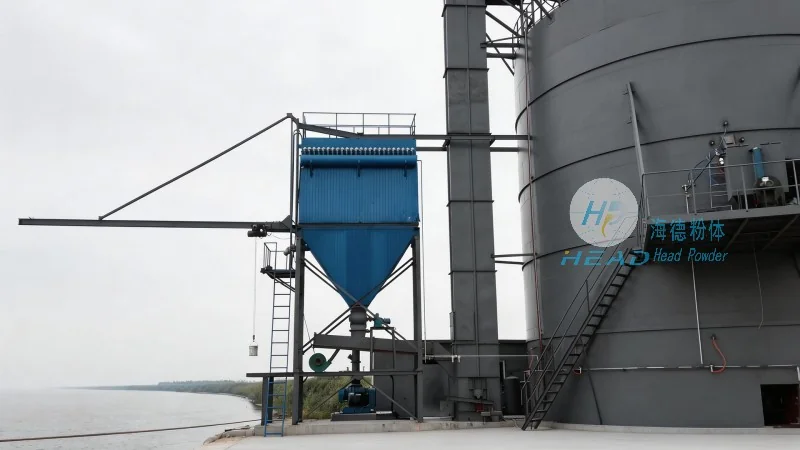
Understanding the Core Components of a Wood Fiber Powder Pneumatic Conveying System
A typical wood fiber powder pneumatic conveying system consists of several key components that work in tandem to achieve effective material transport. The primary components include a material feed hopper, a conveyor pipeline, a blower or air compressor, a control valve system, and a dust collection or separation unit. Each component plays a critical role in the overall functionality of the system.
The material feed hopper is responsible for storing and feeding the wood fiber powder into the system. It is designed to handle the bulk material and ensure a consistent flow rate. The hopper typically features a discharge valve that controls the amount of material entering the pipeline. This component is crucial for maintaining a steady supply of material to the conveying line.
The conveyor pipeline is the main channel through which the wood fiber powder is transported. It is usually made of stainless steel or other corrosion-resistant materials to withstand the abrasive nature of wood fibers. The pipeline is equipped with bends, elbows, and straight sections to guide the material from the feed hopper to the discharge point. Proper design of the pipeline, including the selection of appropriate pipe diameter and the number of bends, is essential to minimize pressure drop and prevent material blockages.
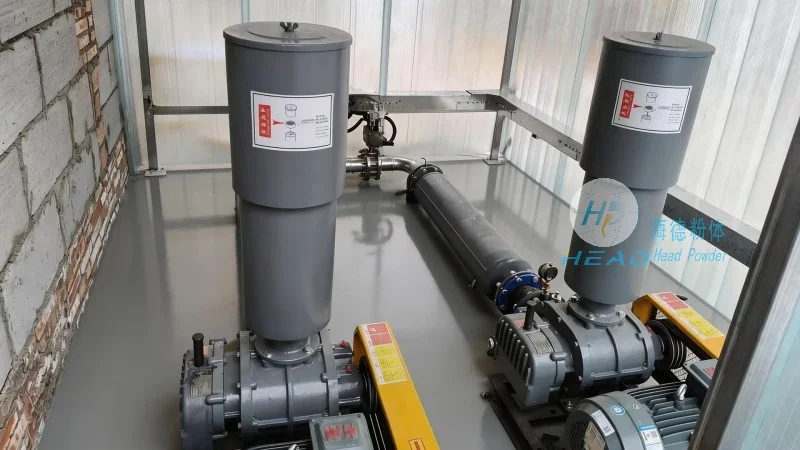
The blower or air compressor provides the necessary air pressure to move the wood fiber powder through the pipeline. The choice of blower type—such as positive displacement blowers or centrifugal fans—depends on the specific application requirements, including the material's density, flow rate, and the system's overall pressure needs. The blower is connected to the pipeline via a duct or inlet, and its performance directly impacts the system's conveying capacity and efficiency.
The control valve system regulates the air flow and pressure within the conveying system. It includes components like check valves, pressure relief valves, and flow control valves. These valves help maintain optimal pressure levels, prevent backflow, and adjust the conveying rate as needed. The control system may also integrate sensors to monitor pressure, flow, and material level, enabling real-time adjustments and ensuring safe operation.
The dust collection or separation unit is used to remove any fine particles or dust from the air stream before it is released into the environment. This component is essential for maintaining air quality and complying with environmental regulations. It typically consists of a filter or cyclone separator that captures the particulate matter, allowing clean air to be discharged or recirculated back into the system.
Design Principles for Efficient Wood Fiber Powder Pneumatic Conveying
The design of a wood fiber powder pneumatic conveying system follows several key principles to ensure optimal performance, reliability, and efficiency. These principles are based on fluid dynamics, material properties, and operational requirements.
First, the system must be designed to handle the specific characteristics of wood fiber powders. Wood fibers are often abrasive, lightweight, and prone to bridging or caking in hoppers. Therefore, the feed hopper and pipeline are designed with features that prevent material accumulation and ensure smooth flow. For example, the hopper may include a cone or wedge to break up clumps and facilitate uniform feeding. The pipeline may be equipped with internal liners or smooth surfaces to reduce friction and prevent fiber wear.
Second, the system's pressure and flow rates are carefully calculated to match the material's properties and the required conveying distance. The pressure drop across the pipeline is a critical factor, as it determines the energy required to move the material. Engineers use formulas and empirical data to calculate the appropriate blower capacity and pipeline dimensions to minimize energy consumption while maintaining sufficient conveying velocity to prevent material settling or blockages.
Third, the system incorporates safety and maintenance features to ensure long-term operation. This includes pressure relief valves to prevent over-pressurization, emergency shut-off valves to stop the system in case of faults, and regular maintenance points for cleaning and inspection. The design also considers the environmental impact, with dust collection systems and proper ventilation to protect workers and comply with regulations.
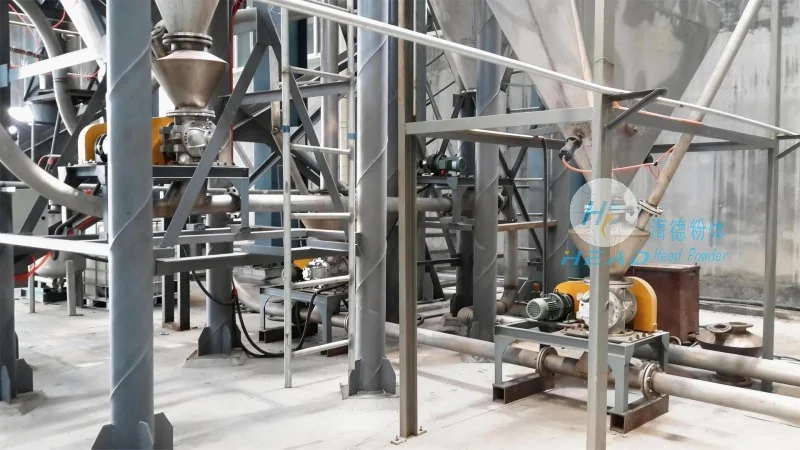
Fourth, the system is designed for scalability and adaptability. Modern wood fiber powder pneumatic conveying systems can be customized to handle varying flow rates, material types, and conveying distances. This flexibility allows companies to expand their operations or integrate new processes without replacing the entire system. The modular design of components, such as interchangeable pipelines and adjustable blower units, facilitates easy upgrades and modifications.
HeadPowder: Expert Provider of Wood Fiber Powder Pneumatic Conveying Solutions
Shandong HeadPowder Engineering Co., Ltd., a leading manufacturer in the field, specializes in designing and manufacturing high-quality wood fiber powder pneumatic conveying systems. With years of experience and a commitment to innovation, HeadPowder provides tailored solutions that meet the unique needs of its clients. The company's products are engineered to deliver reliable performance, energy efficiency, and durability, ensuring that wood fiber powders are transported safely and efficiently.
HeadPowder's team of engineers and technicians work closely with clients to understand their specific requirements, from material characteristics to operational constraints. This collaborative approach ensures that the final system design aligns with the client's goals, whether it's maximizing production throughput, reducing energy costs, or improving material handling safety. The company's expertise extends to both standard and custom-designed systems, catering to a wide range of applications in the wood processing and related industries.
HeadPowder's facilities are equipped with advanced manufacturing and testing capabilities, allowing for rigorous quality control and performance validation. Each system is tested under real-world conditions to ensure it meets or exceeds industry standards. The company also provides comprehensive after-sales support, including maintenance services, spare parts supply, and technical assistance, to ensure the long-term reliability of its products.
Located in Shandong, China, HeadPowder leverages its local resources and expertise to deliver cost-effective and high-performance solutions to clients worldwide. The company's commitment to quality, customer satisfaction, and technological advancement has established it as a trusted partner in the wood fiber processing industry. By combining innovative design with practical application, HeadPowder continues to set new standards in wood fiber powder pneumatic conveying technology.