

What is an Additive Powder Pneumatic Conveying System? What Are Its Design Principles?
HeadPowder, a leading engineering company based in Shandong, China, specializes in the design and implementation of advanced powder handling solutions. Among their core offerings is the additive powder pneumatic conveying system, a technology that efficiently transports dry powders and additives in industrial applications. This system is crucial for industries such as pharmaceuticals, food processing, and chemical manufacturing, where precise and reliable material transport is essential.
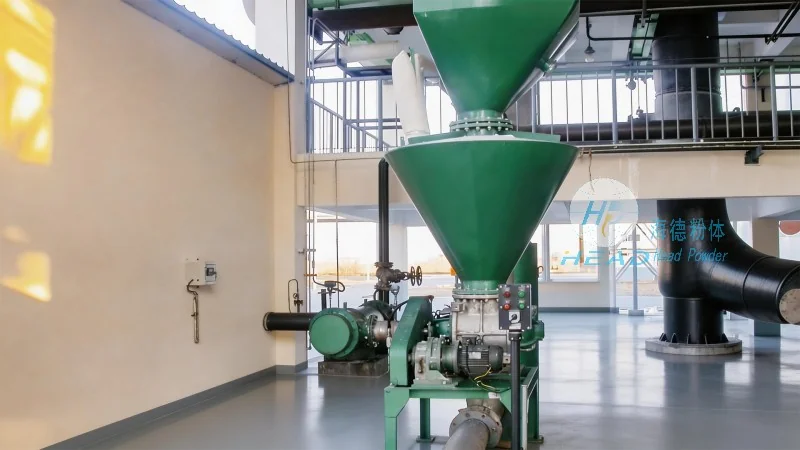
Understanding the Core Components of the System
The additive powder pneumatic conveying system consists of several key components that work in tandem to ensure effective material transport. The primary elements include a hopper or feeder to store and meter the powder, a conveying line (typically made of stainless steel or other corrosion-resistant materials), a compressor or blower to generate the air pressure, and a control system to regulate the flow. The hopper is designed to maintain a consistent feed rate, preventing clogging and ensuring smooth operation. The conveying line is often equipped with bends and elbows to navigate the system layout, while the compressor provides the necessary air pressure to move the powder particles through the system. The control system monitors parameters like pressure, flow rate, and temperature, allowing for real-time adjustments to maintain optimal performance.
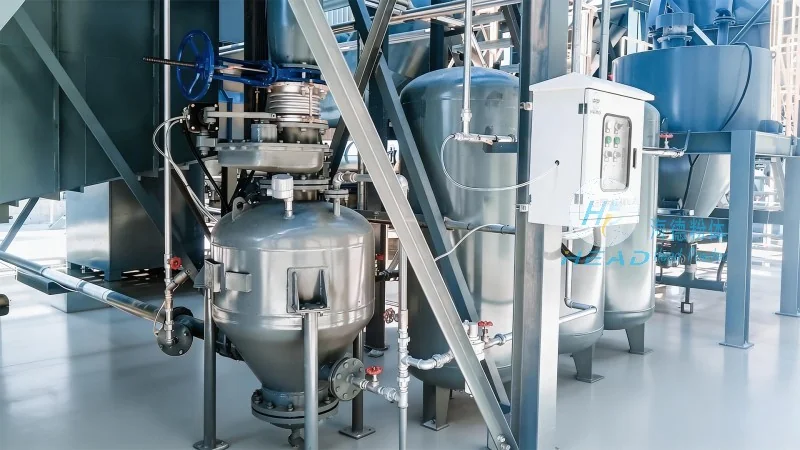
Design Principles for Efficient Material Transport
The design principles of an additive powder pneumatic conveying system are centered on maximizing efficiency, minimizing material degradation, and ensuring safety. One of the fundamental principles is the selection of appropriate air velocity, which must be high enough to entrain the powder particles but low enough to prevent excessive wear on the conveying line. The system's design also considers the particle size and density of the additive, as these factors influence the required air pressure and flow rate. For example, finer powders may require higher air velocities to maintain suspension, while larger particles may need more robust equipment to handle the increased mass. Additionally, the system incorporates features like pulse or rotary air valves to control the flow of powder, preventing blockages and ensuring consistent delivery. The use of stainless steel components is critical in industries where hygiene and corrosion resistance are paramount, such as food and pharmaceuticals, as it maintains the purity of the additive and prevents contamination.
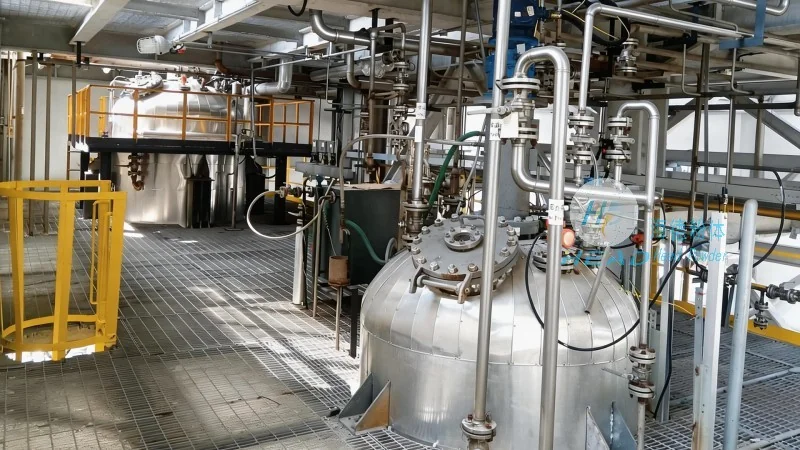
Applications and Benefits in Industrial Settings
The additive powder pneumatic conveying system is widely used in various industrial applications due to its versatility and efficiency. In the pharmaceutical industry, it is used to transport active pharmaceutical ingredients (APIs) and excipients with high precision, ensuring that the final product meets strict quality standards. The system's ability to handle fine powders without degradation is particularly valuable here, as it maintains the integrity of the active ingredients. In food processing, the system is employed to transport ingredients like spices, vitamins, and colorants, where consistent mixing and delivery are essential for product quality. The system's hygienic design, with smooth surfaces and easy-to-clean components, complies with regulatory requirements for food safety. In chemical manufacturing, the system is used to transport raw materials and additives, contributing to the overall efficiency of production lines. The benefits of this system include reduced labor costs, minimized material waste, and improved safety by eliminating the need for manual handling of powders. Furthermore, the system's compact design allows for integration into existing facilities, making it a cost-effective solution for upgrading or expanding material handling capabilities.
Customization and Integration for Specific Needs
HeadPowder recognizes that each industrial application has unique requirements, and therefore offers customized solutions for additive powder pneumatic conveying systems. The company works closely with clients to understand their specific needs, such as the type of powder, the required flow rate, and the system layout. Based on this information, HeadPowder designs a system that meets the client's specifications while adhering to industry standards. The customization may include adjustments to the hopper size, the length and diameter of the conveying line, the type of compressor, and the control system. For example, a client in the food industry may require a system with a higher level of hygiene, which would involve using food-grade materials and incorporating additional cleaning features. Another client in the chemical industry may need a system with higher pressure capabilities to handle more abrasive powders. HeadPowder's expertise in engineering allows them to provide tailored solutions that enhance the performance and reliability of the system, ensuring that it meets the client's operational goals.
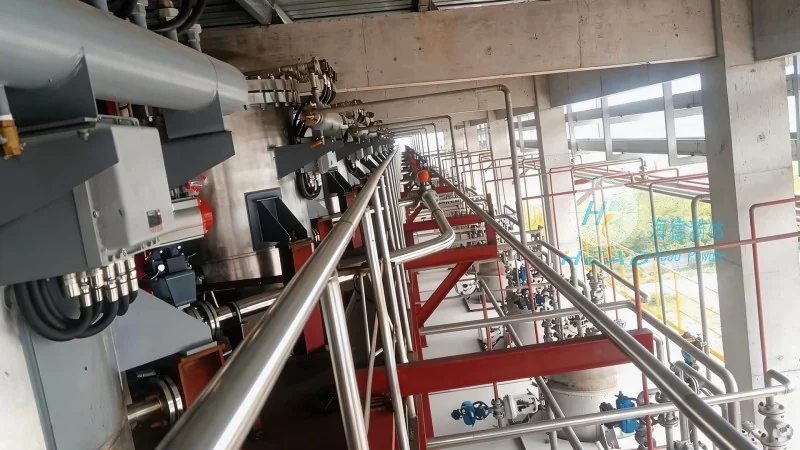
Maintenance and Operational Considerations
Proper maintenance is essential to ensure the long-term performance and reliability of an additive powder pneumatic conveying system. Regular maintenance tasks include cleaning the hopper and conveying line to prevent buildup of powder, checking the compressor and air filters for wear and tear, and inspecting the control system for any malfunctions. The system's design incorporates features that facilitate maintenance, such as easy access to components and removable parts. For example, the conveying line may have quick-release fittings that allow for quick disassembly and cleaning. The compressor is typically equipped with a filter that needs to be replaced regularly to maintain air quality and prevent contamination. The control system may include diagnostic tools that alert operators to any issues, allowing for timely repairs and minimizing downtime. Additionally, HeadPowder provides maintenance services and training to clients, ensuring that they can operate and maintain the system effectively. This support includes regular inspections, preventive maintenance plans, and troubleshooting guidance, helping clients to maximize the system's lifespan and performance.