

What is Maltodextrin Powder Pneumatic Conveying? And What Are Its Design Principles?
Understanding the technology behind the efficient transport of maltodextrin powder through pneumatic conveying systems is crucial for industries relying on consistent and reliable material handling. This article delves into the fundamentals of maltodextrin powder pneumatic conveying, exploring its applications and the key design principles that ensure optimal performance. The expertise of companies like Shandong HeadPowder Engineering Co., Ltd., a leading provider in the field, highlights the importance of professional design and implementation in achieving successful pneumatic conveying systems for maltodextrin powder.
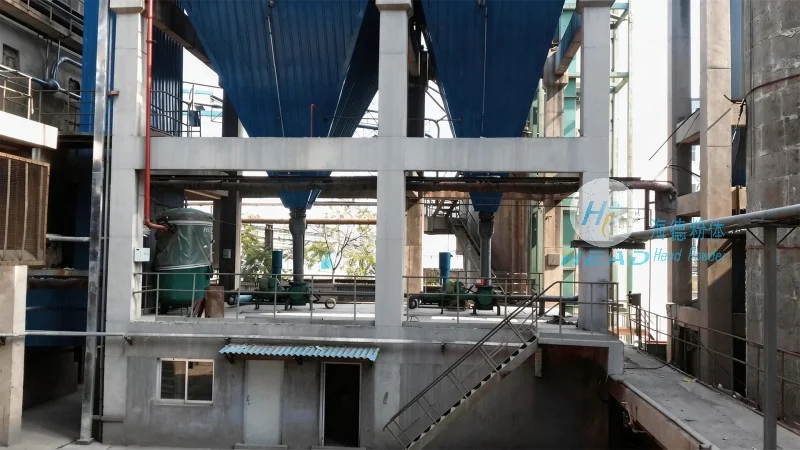
Introduction to Maltodextrin Powder Pneumatic Conveying
Maltodextrin, a polysaccharide derived from starch, is a common food additive and industrial ingredient used in various applications, including beverages, baked goods, and pharmaceuticals. Its fine particle size and hygroscopic nature make it challenging to handle using traditional methods like bucket elevators or belt conveyors. Pneumatic conveying offers a solution by transporting the powder through a pipeline using air or other gases. This method is particularly advantageous for maltodextrin because it minimizes product contamination, reduces dust exposure, and enables precise control over flow rates. The process involves creating a pressure differential within the system, which draws the powder into the conveying line and transports it to the destination. The expertise of companies like Shandong HeadPowder Engineering Co., Ltd. (headpowder) has been instrumental in developing advanced pneumatic conveying systems tailored to the unique requirements of maltodextrin powder.
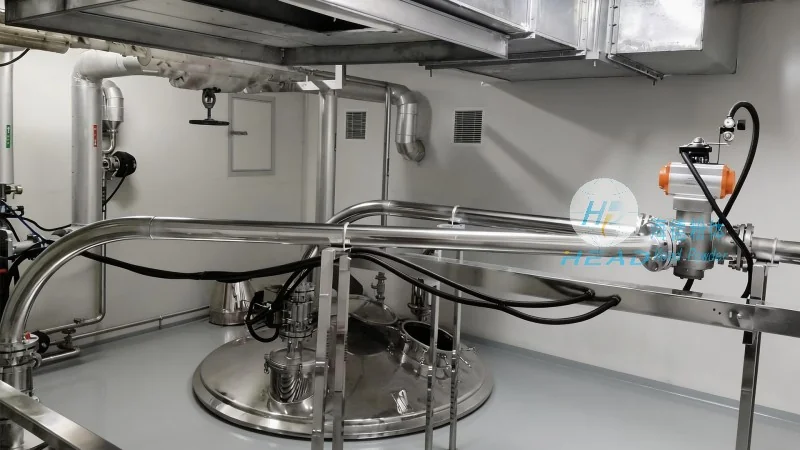
Key Design Principles for Maltodextrin Powder Pneumatic Conveying Systems
The effectiveness of a maltodextrin powder pneumatic conveying system depends on several critical design principles. First, the system must be designed to handle the specific characteristics of maltodextrin, such as its moisture content and particle size distribution. This includes selecting appropriate equipment like rotary valves, airlocks, and filters that can manage the powder without causing blockages or degradation. Second, the pressure and velocity of the conveying air are crucial. Proper air velocity ensures that the powder particles are fully suspended and transported without settling or clogging the pipeline. The design must also consider the system's capacity and the distance over which the powder needs to be conveyed, as these factors influence the choice of equipment and the overall layout. Engineers must also account for the system's energy efficiency, as excessive air pressure can lead to higher operational costs. Additionally, the system should be designed for easy maintenance and cleaning to prevent product buildup and ensure long-term reliability.
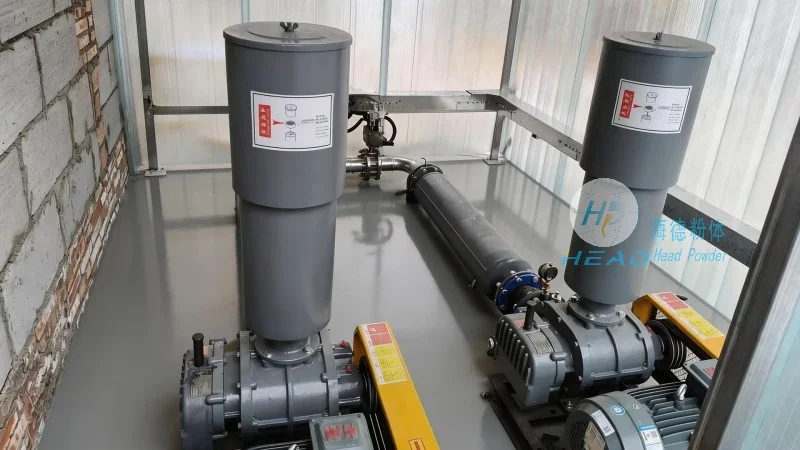
Components and Their Roles in Maltodextrin Powder Pneumatic Conveying
A typical maltodextrin powder pneumatic conveying system consists of several key components, each playing a vital role in the process. The feed hopper is the starting point, where the maltodextrin powder is stored and fed into the system. A rotary valve or feeder then controls the flow rate, ensuring a consistent supply of material. The conveying line, often made of stainless steel to prevent corrosion and contamination, carries the powder and air mixture. Airlocks at the discharge end prevent backflow and maintain airtight conditions, which is essential for maintaining product purity. Filters are essential to remove any fine particles or contaminants from the air, protecting downstream equipment and ensuring product quality. The receiver or storage tank collects the conveyed maltodextrin powder, completing the process. Each component must be carefully selected and integrated to ensure the system operates efficiently and reliably.
Advantages of Pneumatic Conveying for Maltodextrin Powder
Implementing pneumatic conveying for maltodextrin powder offers numerous benefits. One of the primary advantages is the ability to handle the powder in a closed system, which reduces dust emissions and prevents contamination from external sources. This is particularly important in food and pharmaceutical industries where product purity is paramount. Additionally, pneumatic conveying allows for precise control over the flow rate and pressure, enabling accurate dosing and minimizing material waste. The system also reduces the need for manual handling, improving workplace safety and efficiency. Furthermore, the technology can be integrated with other processing equipment, such as mixers or dryers, to create a seamless production line. The closed system also helps maintain the product's moisture content and prevents caking, which can occur with traditional handling methods.
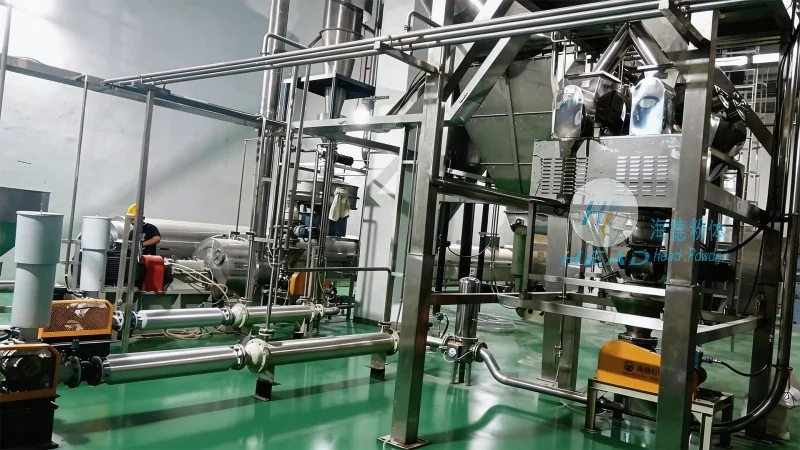
Considerations for Designing an Efficient Maltodextrin Powder Pneumatic Conveying System
Designing an efficient pneumatic conveying system for maltodextrin powder requires careful consideration of several factors. The first consideration is the material's properties, including its bulk density, flowability, and moisture content. These characteristics determine the appropriate air velocity and pressure required for effective conveying. The system's layout is another critical factor, as the distance and number of turns in the pipeline can impact the pressure drop and overall efficiency. Engineers must also consider the system's capacity, ensuring it can handle the required throughput without overloading or causing excessive energy consumption. The choice of materials for the conveying line and components is also important, as maltodextrin can be corrosive or sticky, requiring materials like stainless steel or specialized coatings. Finally, the system should be designed with scalability in mind, allowing for future expansion as production needs grow.