

[Pneumatic Conveying of Calcined Gypsum Powder: Exploring the Process and Design Principles]
Understanding the pneumatic conveying of calcined gypsum powder is crucial for industries that rely on efficient material handling solutions. This process involves transporting calcined gypsum powder through a pipeline using air or gas as the conveying medium. The design principles behind such systems are intricate, requiring a deep understanding of fluid dynamics, material properties, and system integration to ensure optimal performance and reliability.
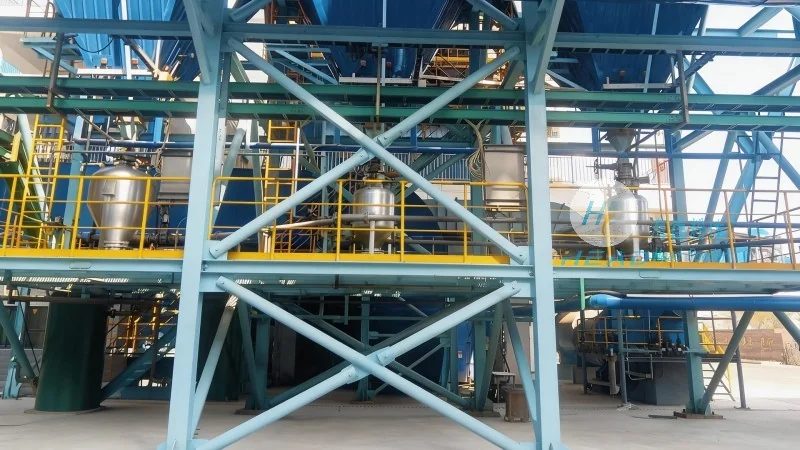
Introduction to Calcined Gypsum Powder Pneumatic Conveying
Calcined gypsum powder, also known as plaster of Paris, is a common industrial material used in construction, manufacturing, and other applications. Its fine particle size and hygroscopic nature make traditional bulk handling methods challenging. Pneumatic conveying offers a solution by enabling the transport of this powder in a controlled, dust-free environment. The process typically involves creating a pressure differential within the conveying line, which propels the powder particles through the system using air or gas. This method not only improves material handling efficiency but also enhances safety by minimizing dust exposure and contamination risks.
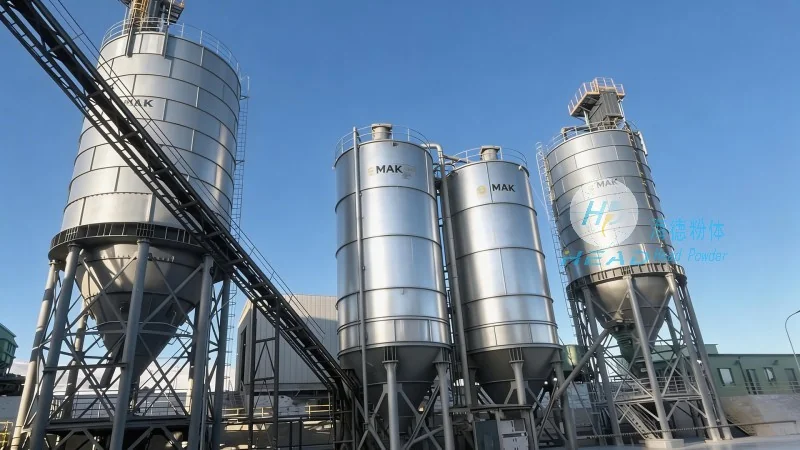
Key Components of a Calcined Gypsum Powder Pneumatic Conveying System
A well-designed calcined gypsum powder pneumatic conveying system consists of several critical components that work in tandem to ensure smooth operation. The primary components include the material feed system, conveying line, air or gas source, and control equipment. The material feed system, often a hopper or feeder, ensures a consistent and controlled flow of the gypsum powder into the conveying line. The conveying line, typically made of stainless steel or other corrosion-resistant materials, is designed to withstand the abrasive nature of the powder and maintain airtight integrity. The air or gas source, such as a blower or compressor, provides the necessary pressure to move the powder through the system. Control equipment, including valves, sensors, and monitoring devices, allows operators to regulate the flow rate, pressure, and other parameters to optimize performance and prevent system failures.
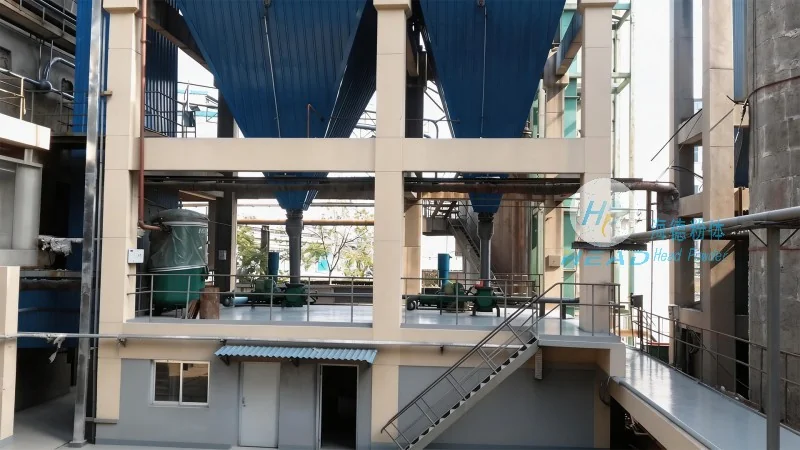
Design Principles for Optimal Performance
The design of a calcined gypsum powder pneumatic conveying system is governed by several key principles aimed at maximizing efficiency, reliability, and safety. One of the most critical considerations is the selection of the appropriate conveying velocity. The velocity must be high enough to prevent particle settling and blockages but low enough to avoid excessive wear on the system components. Engineers often use the "minimum conveying velocity" concept, which is determined by the material's properties, such as particle size, density, and flowability. Another important principle is the system's pressure drop, which is influenced by the length and diameter of the conveying line, as well as the number of bends and fittings. Minimizing pressure drop is essential to reduce energy consumption and ensure consistent flow. Additionally, the system's design must account for the hygroscopic nature of calcined gypsum, as moisture can affect the powder's flow characteristics and cause caking or blockages. Proper moisture control and material conditioning are therefore integral to the design process.
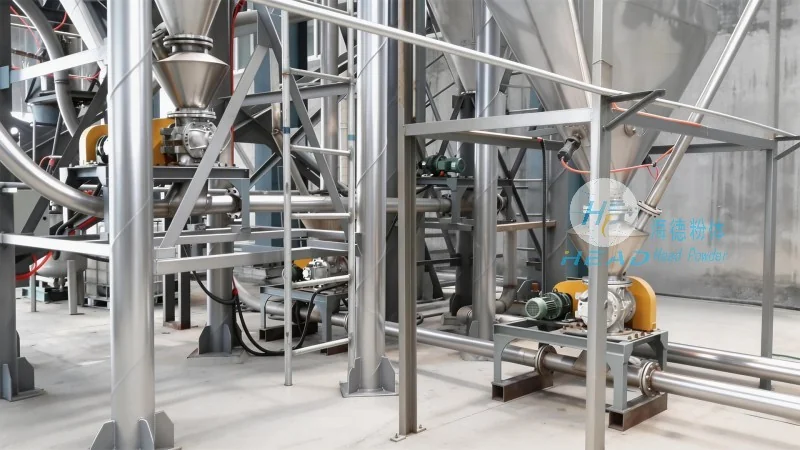
Role of Shandong HeadPowder Engineering Co., Ltd. in Pneumatic Conveying Solutions
Shandong HeadPowder Engineering Co., Ltd., commonly known as HeadPowder, is a leading provider of specialized engineering solutions for material handling, including pneumatic conveying systems for calcined gypsum powder. With a strong focus on innovation and customer-centric design, HeadPowder has developed expertise in tailoring systems to meet the unique needs of various industries. The company's team of experienced engineers and technicians works closely with clients to understand their operational requirements, material characteristics, and budget constraints, ensuring that the final system is both efficient and cost-effective. HeadPowder's commitment to quality and reliability is evident in its adherence to industry standards and rigorous testing protocols, which guarantee that the delivered systems meet or exceed performance expectations. The company's headquarters are located in Shandong, China, where it maintains state-of-the-art facilities for research, development, and manufacturing. By leveraging advanced technology and local expertise, HeadPowder continues to be a trusted partner for businesses seeking reliable pneumatic conveying solutions for their calcined gypsum powder applications.