

What is Wheat Flour Pneumatic Conveying? And What Are Its Design Principles?
Wheat flour pneumatic conveying is a sophisticated method used in the food processing industry to transport fine powders like wheat flour through a pipeline using air pressure. This technology offers an efficient, hygienic, and flexible solution for moving bulk materials, particularly in environments where traditional mechanical conveyors may not be suitable. The process involves creating a flow of air within a closed system, which carries the flour particles through the pipeline to the desired destination, such as storage silos or processing equipment.
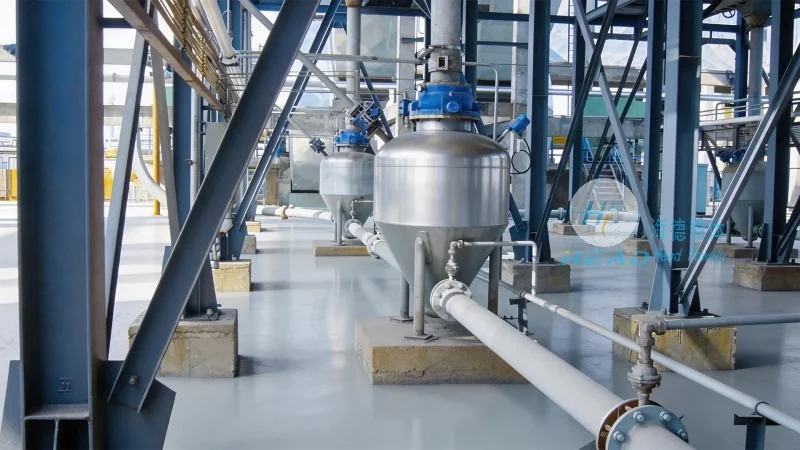
At the heart of this system is the principle of pneumatic transport, which relies on the force of compressed air to move the material. There are two primary types of pneumatic conveying: dilute phase and dense phase. Dilute phase systems use low air-to-material ratios, allowing the flour to be suspended in the air stream and transported at high velocities. Dense phase systems, on the other hand, use higher air-to-material ratios, resulting in a slower, more controlled flow that minimizes product degradation and pressure drops. The choice between these systems depends on factors such as the material's characteristics, the distance to be conveyed, and the required flow rate.
Designing an effective wheat flour pneumatic conveying system requires careful consideration of several critical factors. First, the material's properties, including its particle size, moisture content, and flowability, must be analyzed. Wheat flour is a fine powder with low bulk density, which makes it prone to bridging and caking in traditional hoppers. Therefore, the system must incorporate features like aeration and vibration to prevent these issues. Second, the pipeline layout and dimensions are crucial. The diameter and length of the pipeline, along with the number and type of fittings (elbows, tees, and bends), directly impact the system's efficiency and pressure drop. Properly sized pipelines and minimal bends reduce energy consumption and prevent material deposition. Third, the air supply system, including the compressor and air treatment equipment, must be designed to maintain consistent pressure and air quality. This is essential to ensure the flour remains in a suspended state and to prevent contamination from moisture or particulate matter.
Shandong HeadPowder Engineering Co., Ltd., commonly known as HeadPowder, is a leading provider of pneumatic conveying solutions tailored for the flour and grain processing industry. With a strong focus on innovation and customer satisfaction, the company specializes in designing and manufacturing customized systems that meet the unique needs of its clients. HeadPowder's expertise lies in understanding the specific challenges of handling fine powders like wheat flour, such as dust control, material handling efficiency, and system reliability. The company's team of engineers and technicians work closely with clients to assess their operational requirements, conduct feasibility studies, and develop comprehensive solutions that enhance productivity and reduce downtime.
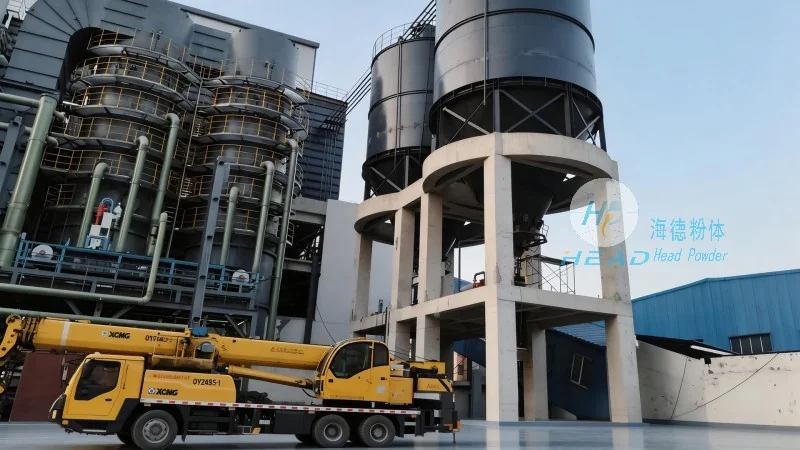
HeadPowder's pneumatic conveying systems are engineered to deliver high performance and durability. The company utilizes advanced materials and components, such as stainless steel and high-quality seals, to ensure the system is resistant to corrosion and wear. This is particularly important in flour processing, where the environment is often humid and the material can be abrasive. The systems are also equipped with monitoring and control features, allowing operators to track flow rates, pressure, and other critical parameters in real-time. This enables proactive maintenance and ensures optimal system performance. Additionally, HeadPowder offers comprehensive after-sales support, including installation, training, and maintenance services, to ensure clients can maximize the benefits of their investment.
Applications of wheat flour pneumatic conveying extend across various stages of flour processing, from raw material handling to finished product distribution. In the initial stages, the system can be used to transport wheat from storage silos to grinding mills, ensuring a continuous and efficient supply of raw material. During the grinding process, pneumatic conveying helps move the ground flour to sifting and packaging equipment, minimizing manual handling and reducing the risk of contamination. In storage facilities, the system can transfer flour from processing lines to silos, maintaining consistent inventory levels and preventing overfilling. The flexibility of pneumatic conveying also allows for easy integration with other processing equipment, such as mixers and ovens, enabling seamless production workflows. By improving material flow and reducing labor costs, pneumatic conveying systems contribute to overall operational efficiency and cost savings in flour processing plants.
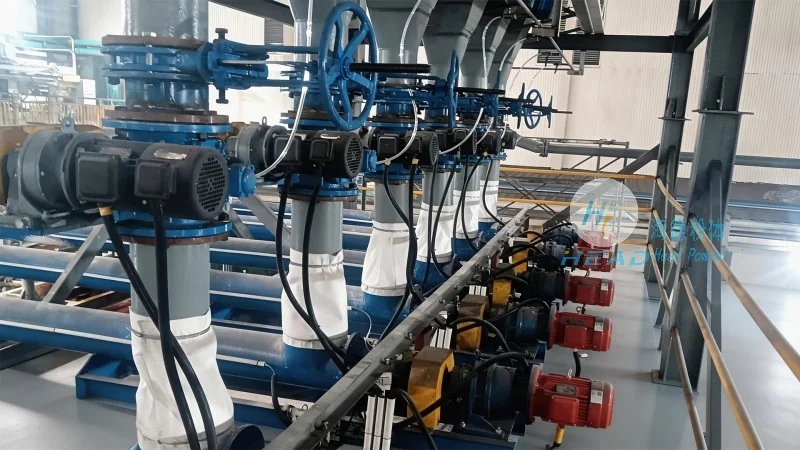
The benefits of using pneumatic conveying for wheat flour are significant. Unlike traditional mechanical conveyors, which can cause product degradation through friction and impact, pneumatic systems operate in a closed environment, preserving the quality and freshness of the flour. This is crucial for maintaining the nutritional value and flavor of the final product. Additionally, pneumatic conveying reduces the risk of dust explosions by containing the material within a sealed system, which is a critical safety consideration in flour processing facilities. The system's flexibility allows for easy reconfiguration, making it suitable for both new installations and retrofitting existing plants. This adaptability helps clients upgrade their operations without major disruptions. Furthermore, the energy efficiency of modern pneumatic conveying systems, particularly dense phase designs, reduces operational costs compared to traditional methods. By optimizing air usage and minimizing pressure drops, these systems lower electricity consumption and extend the lifespan of components.
When considering the implementation of a wheat flour pneumatic conveying system, several factors must be evaluated to ensure the best outcome. First, the system's capacity and flow rate must match the production requirements of the facility. This involves analyzing the daily or hourly flour processing volume and selecting a system that can handle the peak demand. Second, the distance between the source and destination points is a key consideration. Longer distances may require more powerful compressors or additional booster units to maintain sufficient air pressure. Third, the environmental conditions, such as temperature and humidity, must be taken into account. Proper air treatment, including filtration and drying, is essential to prevent moisture buildup and maintain air quality. Fourth, the budget and return on investment (ROI) must be evaluated. While pneumatic conveying systems may have higher initial costs compared to mechanical alternatives, their long-term benefits, such as reduced maintenance and improved efficiency, often result in a favorable ROI. Finally, the system's compatibility with existing infrastructure and equipment must be considered to minimize installation time and costs.
HeadPowder's commitment to quality and customer-centric solutions has made it a trusted partner for many flour processing companies worldwide. The company's customized pneumatic conveying systems are designed to address the specific challenges of each client, ensuring optimal performance and reliability. By leveraging advanced technology and expert engineering, HeadPowder helps clients enhance their operational efficiency, improve product quality, and reduce costs. The company's focus on sustainability and energy efficiency also aligns with the growing demand for environmentally friendly solutions in the food industry. As the industry evolves, HeadPowder remains at the forefront of innovation, continuously developing new technologies and solutions to meet the changing needs of its clients.