

What is Caustic Soda Powder Pneumatic Conveying? What Are the Design Principles?
Caustic soda, also known as sodium hydroxide (NaOH), is a highly caustic and reactive chemical widely used in various industrial processes. Powder pneumatic conveying is a method for transporting dry powder materials, including caustic soda, through a pipeline using compressed air or other gas as the conveying medium. This technology offers several advantages over traditional bulk material handling methods, such as reduced dust generation, improved safety, and enhanced process control.
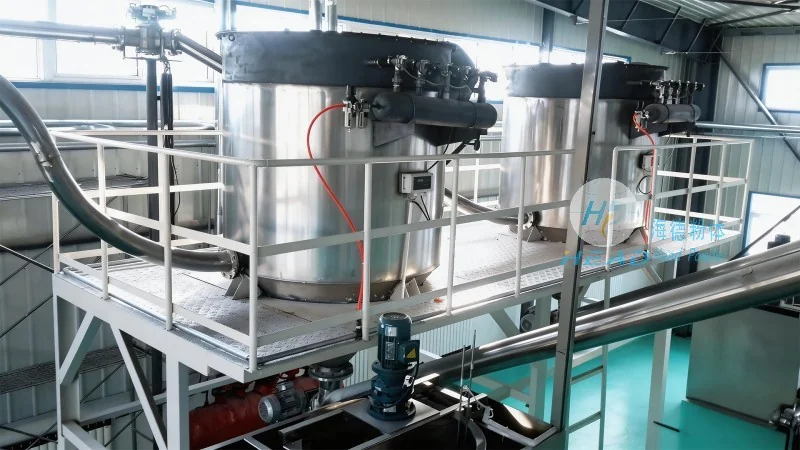
Understanding Caustic Soda Powder Pneumatic Conveying
Caustic soda powder pneumatic conveying involves the transport of caustic soda powder from a storage silo or hopper to a processing unit, such as a reactor or a mixing tank. The process typically starts with the powder being fed into a conveying line under controlled conditions. Compressed air or another gas is then introduced into the line, creating a flow that carries the powder particles through the pipeline. The design of the system must consider factors like the powder's bulk density, flowability, and reactivity to ensure efficient and safe operation.
The Core Design Principles of Caustic Soda Powder Pneumatic Conveying Systems
Several key design principles are essential for the successful implementation of caustic soda powder pneumatic conveying systems. First, the system must be designed to handle the corrosive nature of caustic soda. Materials of construction, such as stainless steel or specialized alloys, are commonly used to prevent chemical attack and ensure durability. Second, the conveying velocity and pressure must be optimized to prevent particle degradation or agglomeration. This involves selecting appropriate air velocities and pressure levels that maintain the powder in a suspended state without causing excessive wear on the system components. Third, the system must incorporate proper dust control measures, including filters and venting systems, to comply with environmental regulations and maintain a safe working environment. Additionally, the design should include features for easy maintenance and cleaning, as caustic soda can be difficult to remove from equipment surfaces.
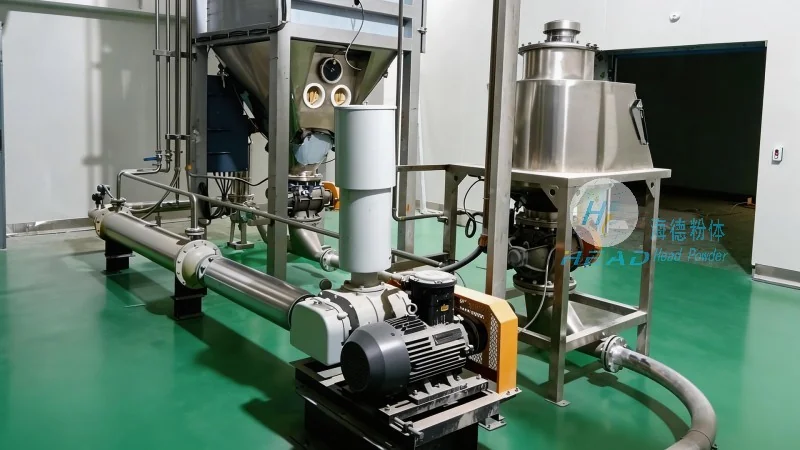
Components and Key Features of Caustic Soda Powder Pneumatic Conveying Systems
A typical caustic soda powder pneumatic conveying system consists of several key components. These include a hopper or silo for material storage, a feeder to control the flow rate of the powder, a conveying line with appropriate diameter and length, a compressor or blower to generate the conveying air, and a receiver or discharge unit where the powder is deposited. The feeder is critical as it must maintain a consistent flow of powder to prevent blockages or uneven conveying. The conveying line is often equipped with bends and elbows that are designed to minimize pressure drop and maintain the powder's suspended state. The compressor must be capable of delivering sufficient air volume and pressure to overcome the resistance in the line and lift the powder to the desired height. The receiver is typically a hopper or tank that collects the conveyed powder and may include a level indicator or discharge valve for further processing.
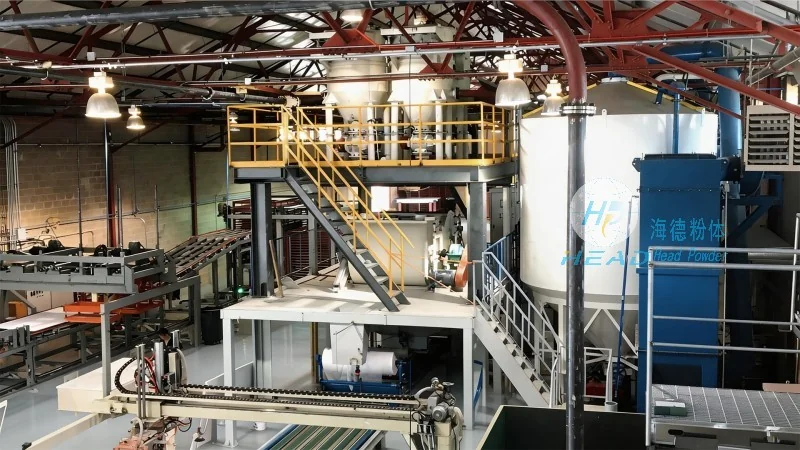
Advantages of Using Caustic Soda Powder Pneumatic Conveying
Implementing caustic soda powder pneumatic conveying offers numerous benefits for industrial applications. One of the primary advantages is the reduction of dust exposure, which improves workplace safety and reduces the risk of inhalation of caustic soda particles. This is particularly important in environments where workers are regularly exposed to the material. Another advantage is the ability to transport caustic soda over long distances without the need for intermediate storage or handling, which can improve process efficiency and reduce downtime. The system also allows for better control over the flow rate and pressure, enabling precise dosing of caustic soda into reactors or other processing equipment. Additionally, pneumatic conveying systems can be integrated with other process equipment, such as mixers or reactors, to create a seamless material handling workflow. This integration can enhance overall process control and reduce the need for manual handling, which further improves safety and efficiency.
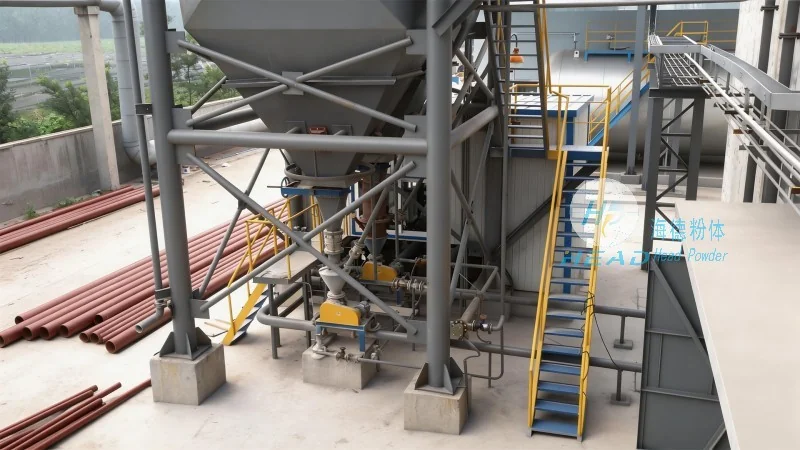
Considerations for Designing and Operating Caustic Soda Powder Pneumatic Conveying Systems
When designing and operating caustic soda powder pneumatic conveying systems, several considerations must be taken into account to ensure optimal performance and safety. First, the system must be designed to handle the high reactivity of caustic soda. This includes using corrosion-resistant materials and ensuring proper sealing to prevent leaks or contamination. Second, the system must be equipped with appropriate safety features, such as pressure relief valves and emergency shut-off mechanisms, to prevent accidents in case of equipment failure or overpressure. Third, regular maintenance and inspection are crucial to ensure the system operates efficiently and safely. This includes checking for wear and tear on components, cleaning the system to remove caustic soda residue, and verifying the performance of the air filtration system. Additionally, training for operators on the proper use and maintenance of the system is essential to prevent accidents and ensure compliance with safety regulations.
Applications of Caustic Soda Powder Pneumatic Conveying
Caustic soda powder pneumatic conveying is widely used in various industries that rely on caustic soda as a key raw material. These include the chemical industry, where caustic soda is used in the production of soaps, detergents, and other chemicals. The pulp and paper industry also uses caustic soda in the bleaching and pulping processes. The textile industry employs caustic soda in the dyeing and finishing of fabrics. Additionally, the food industry uses caustic soda in the processing of certain food products, such as the production of sodium hydroxide-based food additives. In each of these applications, the pneumatic conveying system ensures that caustic soda is transported safely and efficiently to the processing equipment, minimizing the risk of exposure and improving overall process performance.