With more than 10‑year industry experience, Shandong Headpowder delivers full‑service pneumatic‑conveying systems and blowers, undertaking nationwide turn‑key powder‑handling projects.
Welcome to the world of advanced material handling systems designed specifically for lithium-ion battery production. The positive electrode material handling system is a critical component in the battery manufacturing process, ensuring efficient and safe transport of raw materials and finished products. This article will explore the fundamental aspects of such systems, including their design principles and the key factors that contribute to their operational success.
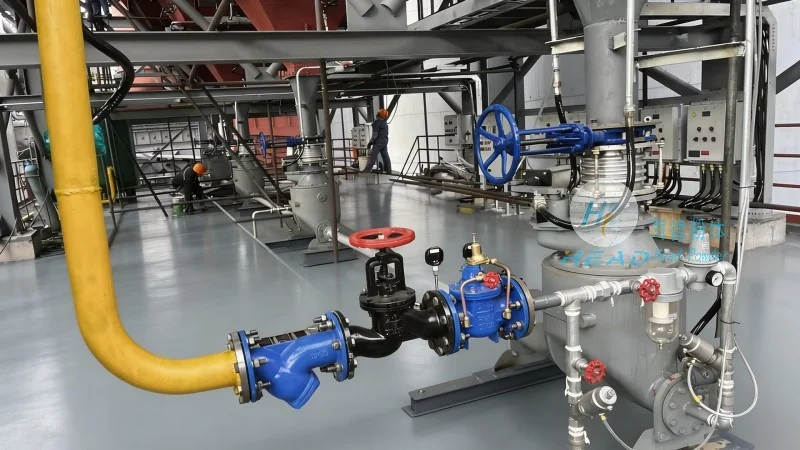
In the context of lithium-ion battery production, the positive electrode material handling system plays a pivotal role in the overall manufacturing workflow. These systems are engineered to handle various types of positive electrode materials, such as lithium cobalt oxide (LCO), lithium nickel manganese cobalt oxide (NMC), and lithium iron phosphate (LFP), among others. The primary goal is to facilitate the seamless transfer of these materials from storage to processing units, and subsequently to the final assembly stages. The efficiency of the material handling system directly impacts the production throughput, quality control, and overall cost-effectiveness of the battery manufacturing facility.
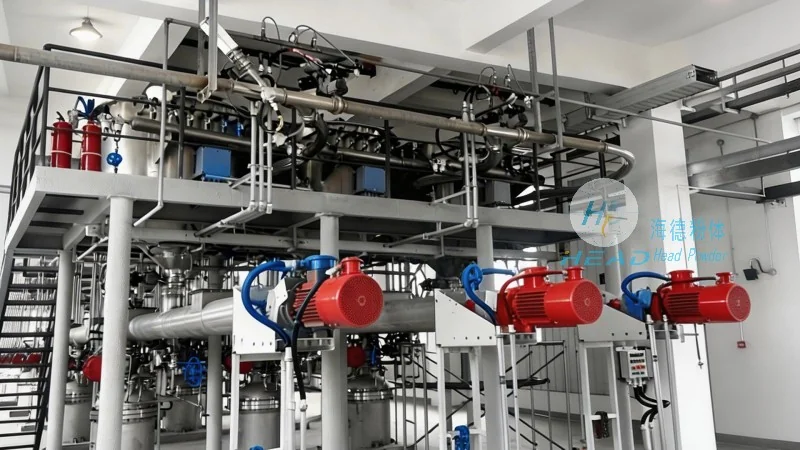
The material handling system for lithium-ion battery positive electrodes typically consists of several interconnected components that work in harmony to achieve optimal performance. These components include material storage units, conveying equipment, feeding mechanisms, and control systems. Material storage units are designed to accommodate bulk quantities of raw materials, often using silos or bulk containers to maintain consistent material flow. Conveying equipment, such as belt conveyors or pneumatic systems, ensures the smooth movement of materials from storage to processing areas. Feeding mechanisms, including screw conveyors or rotary valves, regulate the flow rate and distribution of materials to the next stage of production. Control systems, equipped with sensors and automation technology, monitor the entire process, ensuring real-time adjustments and maintaining operational safety.
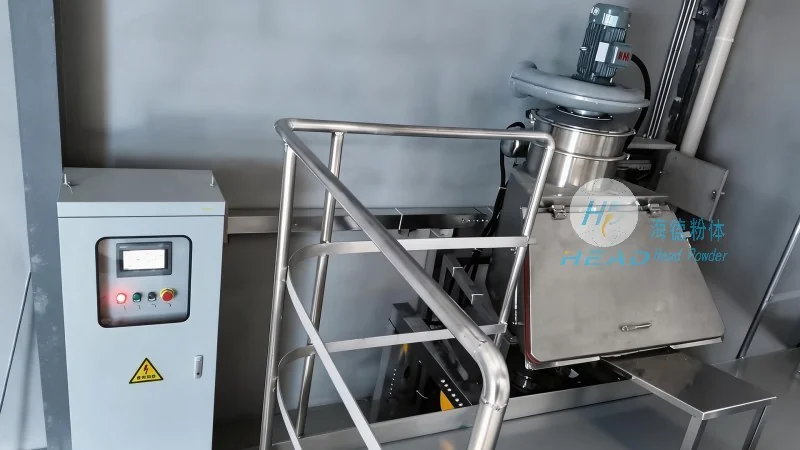
The design of a lithium-ion battery positive electrode material handling system is guided by several key principles aimed at maximizing operational efficiency and minimizing downtime. One of the primary principles is the integration of automation and robotics to reduce human intervention and enhance precision. This approach not only improves productivity but also minimizes the risk of material contamination or human error. Another critical principle is the emphasis on material flow optimization, which involves designing a layout that minimizes the distance materials travel and reduces the number of handling steps. This streamlined approach helps to reduce energy consumption and operational costs. Additionally, the system is designed with flexibility in mind, allowing for easy adaptation to different material types and production volumes. This adaptability is crucial for manufacturers who may need to switch between different battery chemistries or scale up production.
Shandong HeadPowder Engineering Co., Ltd., a leading provider of material handling solutions, specializes in designing and manufacturing advanced systems tailored to the lithium-ion battery industry. The company's expertise lies in understanding the unique challenges of handling positive electrode materials, such as their sensitivity to moisture and temperature, and developing solutions that address these concerns. Headpowder's material handling systems are engineered to meet the highest standards of quality and reliability, ensuring consistent performance in demanding production environments. The company's commitment to innovation is reflected in its use of cutting-edge technologies, including advanced control systems and robust conveying equipment, to deliver efficient and safe material handling solutions. By partnering with Headpowder, battery manufacturers can enhance their production capabilities and improve overall operational efficiency.
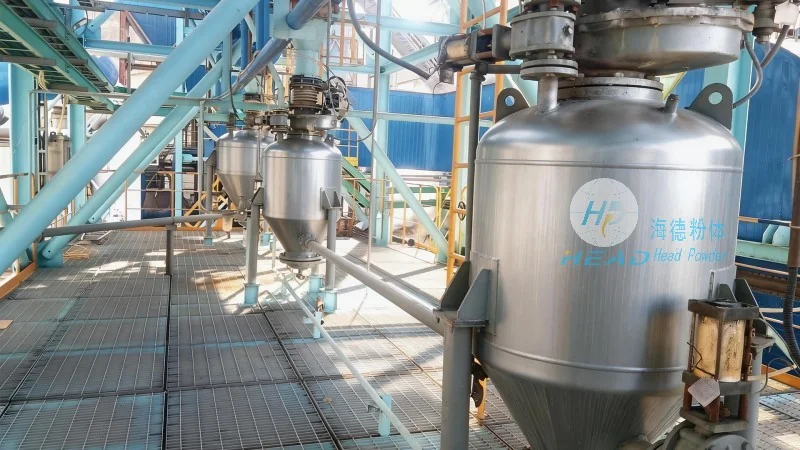
The technical specifications of a lithium-ion battery positive electrode material handling system vary depending on the specific requirements of the production facility. Key specifications include the capacity of material storage units, the speed and capacity of conveying equipment, and the accuracy of feeding mechanisms. These specifications are tailored to match the production volume and the type of battery being manufactured. For example, a system designed for large-scale production of NMC batteries will have higher capacity and faster conveying speeds compared to a system for smaller-scale LFP battery production. The application scenarios for these systems are diverse, ranging from small-scale research and development facilities to large-scale commercial battery manufacturing plants. Regardless of the scale, the material handling system plays a crucial role in ensuring the smooth operation of the battery production process.

 Shandong Headpowder Engineering Co., Ltd.
 156-6277-7102(Manager Zhang)
  0531-83386006
  Zhangqiu District, Jinan City, Shandong Province, China
telephone
WeChatconsult
top