With more than 10‑year industry experience, Shandong Headpowder delivers full‑service pneumatic‑conveying systems and blowers, undertaking nationwide turn‑key powder‑handling projects.
High-calcium material conveying systems are specialized industrial solutions designed to handle and transport materials that contain high levels of calcium compounds. These systems are crucial in various industries, including mining, chemical processing, and food production, where the efficient and safe movement of such materials is essential for operational efficiency and product quality. The design of these systems must account for the unique properties of high-calcium materials, such as their abrasive nature, potential for dust generation, and the need for precise control over temperature and moisture levels.
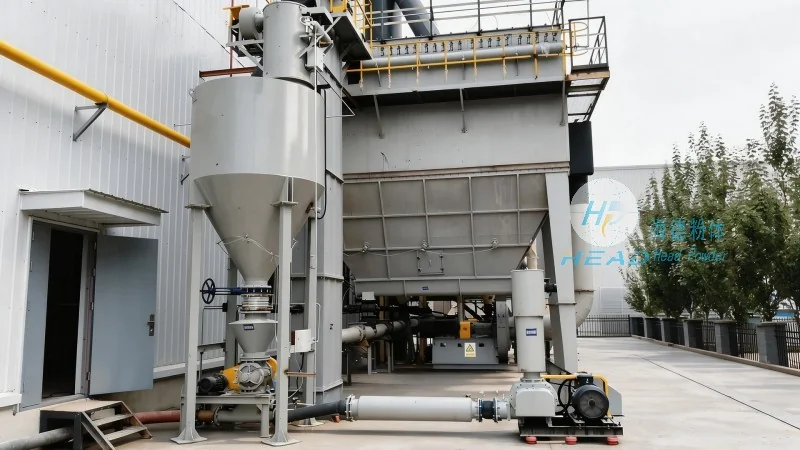
The design of a high-calcium material conveying system involves several critical principles that ensure optimal performance and longevity. First, the system must be constructed from materials that can withstand the abrasive effects of calcium compounds, typically using corrosion-resistant alloys or specialized coatings on metal components. This prevents wear and tear, which can lead to system downtime and increased maintenance costs. Second, the system incorporates dust control measures, such as enclosed conveyor belts and dust collection systems, to minimize environmental contamination and protect personnel from exposure to calcium dust, which can be harmful if inhaled.
Third, the design emphasizes energy efficiency and operational reliability. This includes the use of variable frequency drives (VFDs) to adjust motor speed based on the load, reducing energy consumption and extending the life of mechanical components. Additionally, the system is engineered for easy maintenance, with accessible components and modular design that allows for quick repairs and replacements without extensive downtime.
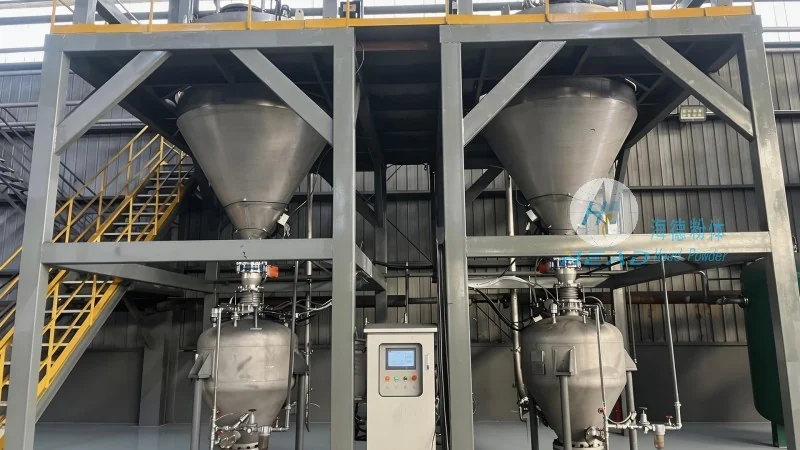
A typical high-calcium material conveying system consists of several key components that work together to ensure smooth operation. The primary components include a feeding mechanism, such as a hopper or feeder, which regulates the flow of material into the conveyor. This is followed by the conveyor itself, which may be a belt conveyor, screw conveyor, or pneumatic conveyor, depending on the material's characteristics and the application requirements. The conveyor is equipped with idlers and rollers that support the material and reduce friction, while also allowing for gentle handling to prevent damage to the calcium compounds.
At the end of the conveyor, a discharge mechanism, such as a chute or bucket elevator, transfers the material to the next stage of processing. The system may also include additional components like a dust collector, which captures airborne particles and filters them for safe disposal or reuse. In some cases, a temperature control system is integrated to maintain the material at a consistent temperature, which is critical for preventing clumping or degradation of the high-calcium material.
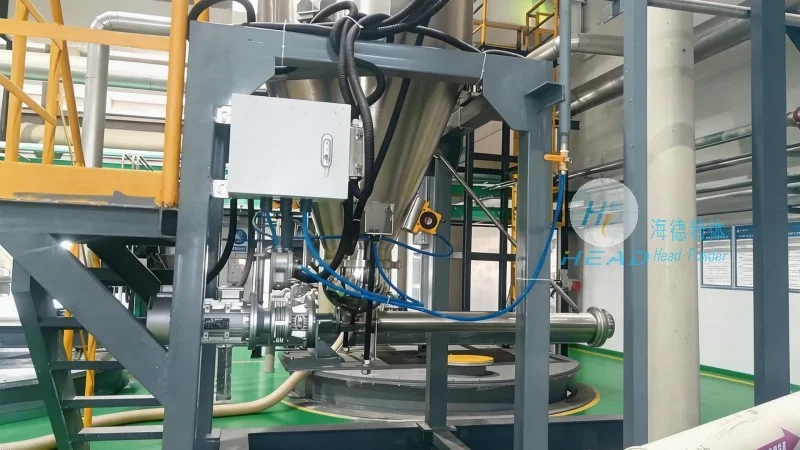
High-calcium material conveying systems are widely used in industries where calcium-based materials are processed. For example, in the mining industry, these systems transport calcium-rich ores from extraction sites to processing facilities. In the chemical industry, they handle calcium compounds used in the production of fertilizers, cement, and other industrial chemicals. The benefits of using such systems include improved safety by reducing dust exposure, increased efficiency through optimized material flow, and cost savings from reduced maintenance and energy consumption.
Furthermore, the design of these systems allows for scalability, meaning they can be adapted to handle varying volumes of material and different types of high-calcium compounds. This flexibility makes them suitable for both small-scale operations and large industrial plants. The use of advanced materials and engineering techniques ensures that the system can operate reliably over long periods, with minimal interruptions and high throughput.
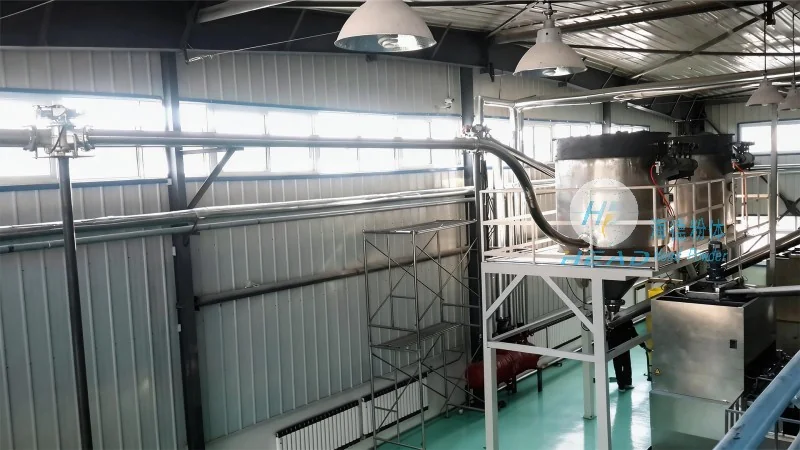
Shandong HeadPowder Engineering Co., Ltd., commonly known as HeadPowder, is a leading manufacturer of high-quality material conveying systems. With a focus on innovation and customer satisfaction, HeadPowder specializes in designing and manufacturing customized solutions for industries that require efficient and reliable handling of high-calcium materials. The company is headquartered in Shandong, China, and has a strong reputation for delivering durable, efficient, and cost-effective systems that meet the unique needs of its clients.
HeadPowder's team of engineers and technicians brings extensive experience in material handling and industrial engineering, ensuring that each system is tailored to the specific requirements of the application. The company adheres to strict quality control standards and uses advanced manufacturing processes to produce components that are built to last. With a commitment to sustainability and environmental responsibility, HeadPowder also incorporates eco-friendly features into its systems, such as energy-efficient motors and dust control technologies that minimize the impact on the environment.

 Shandong Headpowder Engineering Co., Ltd.
 156-6277-7102(Manager Zhang)
  0531-83386006
  Zhangqiu District, Jinan City, Shandong Province, China
telephone
WeChatconsult
top