With more than 10‑year industry experience, Shandong Headpowder delivers full‑service pneumatic‑conveying systems and blowers, undertaking nationwide turn‑key powder‑handling projects.
Understanding the design principles and applications of amino acetic acid material handling equipment is crucial for industries dealing with this specific chemical. Amino acetic acid, also known as glycine, is a widely used organic compound in various industrial processes. The equipment designed to handle this substance must meet stringent safety and efficiency standards due to its chemical properties and the requirements of modern manufacturing.
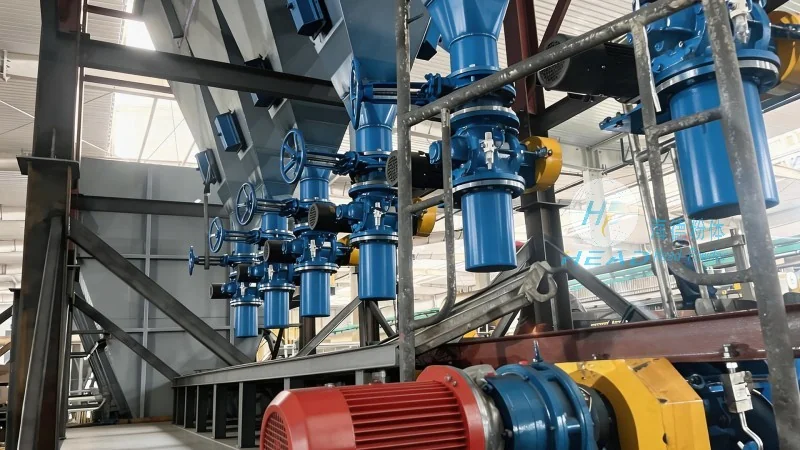
Amino acetic acid material handling equipment refers to the machinery and systems engineered to transport, store, and process amino acetic acid safely and efficiently. This equipment is essential in chemical manufacturing, pharmaceutical production, and other industries where glycine is a key component. The design of such equipment must consider factors like chemical compatibility, temperature control, and operational safety to ensure optimal performance and minimize risks.
The design of amino acetic acid material handling equipment is guided by several critical principles to ensure reliability and safety. First, material compatibility is paramount. The equipment components, such as pipes, tanks, and valves, must be constructed from materials that resist corrosion and chemical reactions with amino acetic acid. Common materials include stainless steel, PTFE, and specialized alloys that can withstand the acidic nature of the substance. Second, temperature control is a key consideration. Amino acetic acid can be sensitive to temperature fluctuations, which may affect its physical properties or stability. Therefore, the equipment often incorporates temperature regulation systems to maintain consistent conditions during transport and storage.
Third, the system must prioritize safety and operational efficiency. This includes features like pressure relief valves, leak detection mechanisms, and automated control systems that monitor the flow and condition of the material. The design also considers the need for easy maintenance and cleaning to prevent contamination and ensure long-term functionality. Additionally, ergonomic considerations are integrated into the equipment design to enhance operator safety and reduce the risk of accidents during handling operations.
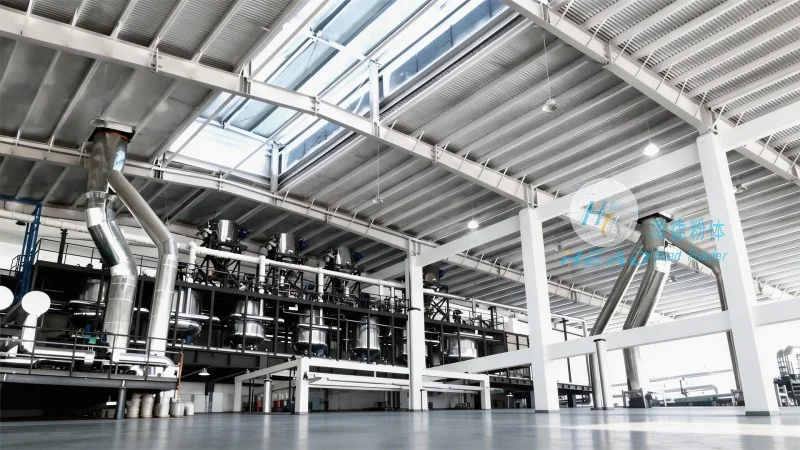
The functionality of amino acetic acid material handling equipment is achieved through a combination of specialized components working in harmony. Key components include storage tanks, pumps, conveyors, and transfer systems. Storage tanks are typically made from corrosion-resistant materials and equipped with temperature sensors to monitor the internal conditions of the stored amino acetic acid. Pumps, often centrifugal or positive displacement types, are used to move the material from storage to processing areas. Conveyors, such as screw or belt conveyors, may be employed for bulk handling, ensuring smooth and continuous transport of the substance.
Transfer systems, including pipelines and valves, are designed to control the flow of amino acetic acid with precision. These systems often incorporate flow meters and pressure gauges to provide real-time data on the material's movement. The integration of these components allows for a seamless process from storage to processing, minimizing downtime and ensuring consistent product quality. Furthermore, the equipment may include filtration and purification units to maintain the purity of amino acetic acid, which is critical in applications like pharmaceutical manufacturing where quality standards are stringent.
Amino acetic acid material handling equipment is widely used across various industries due to the versatility of glycine. In the pharmaceutical industry, it is a key ingredient in the production of medications and supplements. The equipment ensures that the chemical is handled safely and efficiently during the manufacturing process, from raw material storage to final product formulation. In the chemical manufacturing sector, amino acetic acid is used as a precursor for other compounds, and the handling equipment supports the production of these derivatives. Additionally, in the food and beverage industry, glycine is used as a flavor enhancer and nutritional supplement, requiring specialized equipment to handle it in food processing applications.
The equipment's design and functionality are tailored to meet the specific demands of each industry. For instance, in pharmaceutical production, the equipment must adhere to strict regulatory standards, including GMP (Good Manufacturing Practice) compliance. This involves features like sterile processing, contamination control, and traceability systems to ensure product safety and quality. In chemical manufacturing, the equipment may focus on high throughput and durability to handle large volumes of amino acetic acid in production lines. The adaptability of amino acetic acid material handling equipment makes it a vital asset in modern industrial operations.
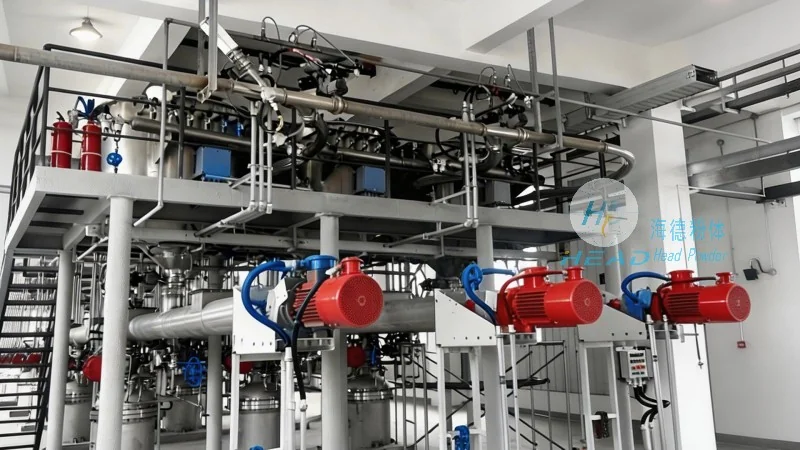
Investing in specialized amino acetic acid material handling equipment offers several advantages for businesses operating with this chemical. First, it enhances operational efficiency by streamlining the handling process. The equipment's design minimizes manual intervention and reduces the risk of errors, leading to consistent and reliable performance. Second, it improves safety by incorporating advanced safety features that protect both personnel and the environment. The use of corrosion-resistant materials and leak detection systems reduces the likelihood of accidents and chemical spills, which can have significant environmental and financial impacts.
Third, specialized equipment ensures compliance with regulatory requirements. Industries dealing with amino acetic acid must adhere to various safety and environmental regulations. The equipment's design, often incorporating features like emission controls and waste management systems, helps companies meet these standards and avoid penalties. Additionally, the equipment's durability and longevity reduce maintenance costs over time, providing a better return on investment compared to using generic or non-specialized equipment.
In conclusion, amino acetic acid material handling equipment plays a critical role in industries that rely on this essential chemical. The design principles, components, and applications of such equipment are tailored to meet the unique demands of amino acetic acid, ensuring safe, efficient, and compliant handling. Companies like Shandong HeadPowder Engineering Co., Ltd., based in China, specialize in developing and manufacturing these specialized systems, providing industries with reliable solutions for their material handling needs. By investing in properly designed amino acetic acid handling equipment, businesses can enhance productivity, ensure safety, and maintain compliance with industry standards.

 Shandong Headpowder Engineering Co., Ltd.
 156-6277-7102(Manager Zhang)
  0531-83386006
  Zhangqiu District, Jinan City, Shandong Province, China
telephone
WeChatconsult
top