With more than 10‑year industry experience, Shandong Headpowder delivers full‑service pneumatic‑conveying systems and blowers, undertaking nationwide turn‑key powder‑handling projects.
Understanding the equipment used for transporting sodium sulfate powder is crucial for industries that handle this chemical compound. This article explores the types of material handling equipment suitable for sodium sulfate powder and delves into the design principles that ensure efficient and safe operation.
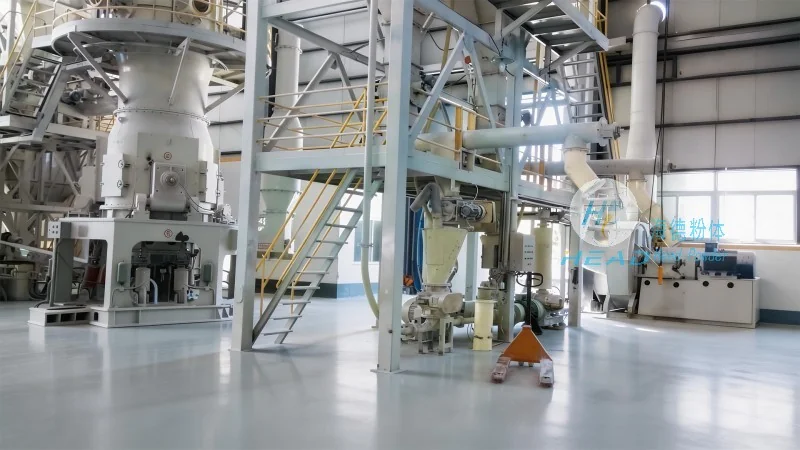
Sodium sulfate (Na₂SO₄) is a common inorganic salt used in various industrial applications, including glass manufacturing, paper production, and as a drying agent. When handling this powder, it is essential to use specialized equipment that can manage its flow characteristics, prevent dust generation, and maintain product integrity. The choice of material handling equipment depends on factors such as the powder's bulk density, flowability, and the required throughput in the processing line.
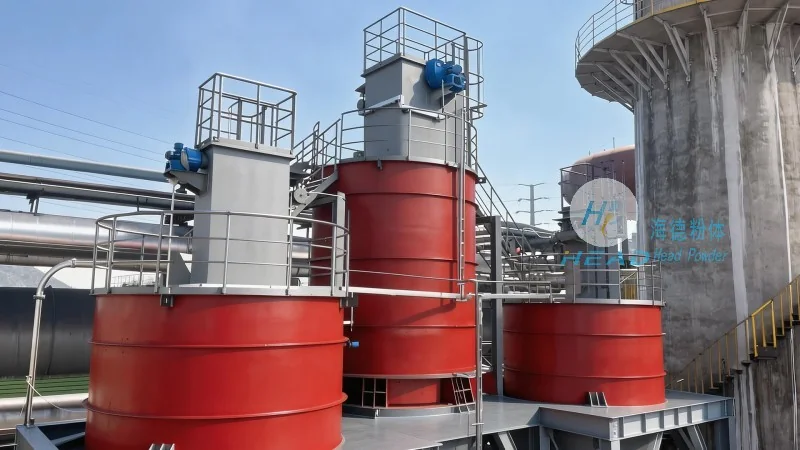
Several types of equipment are commonly employed for transporting sodium sulfate powder. These include screw conveyors, pneumatic conveyors, and belt conveyors, each with distinct advantages and applications. Screw conveyors are ideal for horizontal or slight incline transport, as they can handle powders with moderate flowability. Pneumatic conveyors, on the other hand, use air pressure to move the powder, making them suitable for long-distance transport and handling fine powders that are prone to dust. Belt conveyors are versatile and can handle larger quantities, making them suitable for bulk material transport in industrial settings.
The design of sodium sulfate powder handling equipment must adhere to several key principles to ensure optimal performance. First, the equipment must be constructed from materials that are resistant to corrosion and chemical attack, as sodium sulfate can be hygroscopic and may cause wear on metal surfaces. Stainless steel is often used for this purpose due to its durability and resistance to corrosion. Second, the equipment should be designed to minimize dust generation and ensure proper containment. This includes features such as sealed hoppers, dust collection systems, and smooth internal surfaces to prevent powder buildup and clogging. Third, the design must consider the flow characteristics of the powder. Sodium sulfate powder may have a tendency to agglomerate or become bridged in hoppers, so equipment with anti-bridging features, such as agitators or vibrators, is often incorporated into the design. Finally, the equipment must be designed for easy maintenance and cleaning to prevent contamination and ensure long-term operational efficiency.
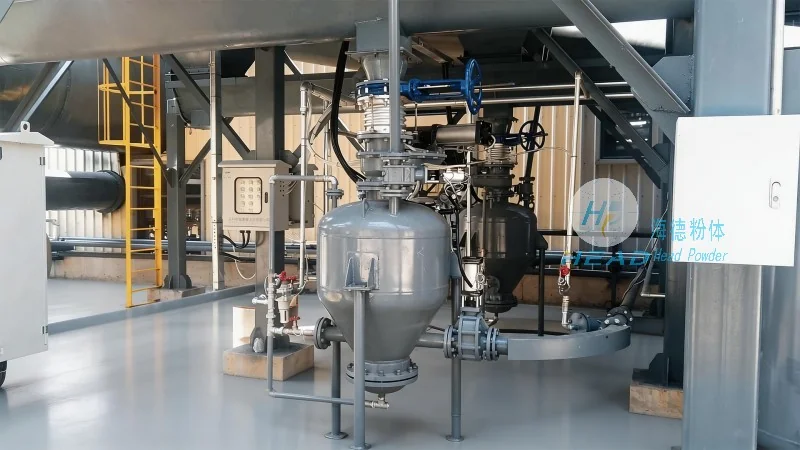
HeadPowder, a leading manufacturer of material handling equipment, specializes in providing customized solutions for sodium sulfate powder and other bulk materials. With a strong focus on engineering excellence and customer satisfaction, HeadPowder offers a range of equipment designed to meet the specific needs of industrial applications. The company is headquartered in Shandong, China, and has a proven track record of delivering high-quality, reliable equipment that enhances operational efficiency and safety in material handling processes.

 Shandong Headpowder Engineering Co., Ltd.
 156-6277-7102(Manager Zhang)
  0531-83386006
  Zhangqiu District, Jinan City, Shandong Province, China
telephone
WeChatconsult
top