With more than 10‑year industry experience, Shandong Headpowder delivers full‑service pneumatic‑conveying systems and blowers, undertaking nationwide turn‑key powder‑handling projects.
Dry manure material handling systems are specialized equipment and processes designed to manage, transport, and process dry manure efficiently. These systems are crucial in agricultural and livestock operations where the handling of manure is a key part of waste management and resource utilization. The primary goal of such systems is to facilitate the safe, hygienic, and efficient movement of dry manure from its source to processing or storage facilities, ensuring minimal environmental impact and optimal resource recovery.
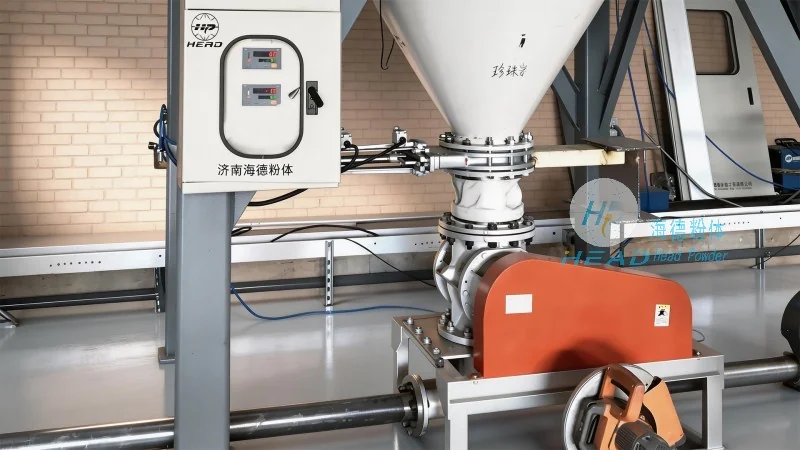
The design of a dry manure material handling system typically involves several key components that work in tandem to achieve the desired functionality. These components include feeders, conveyors, storage silos, and processing units. Each component is engineered to handle the specific characteristics of dry manure, such as its bulk density, moisture content, and potential for dust generation. For instance, feeders are often equipped with mechanisms to evenly distribute the manure, while conveyors may use screw, belt, or pneumatic systems to transport it over varying distances. Storage silos are designed to maintain the manure's quality and prevent spoilage, often incorporating aeration and temperature control features.
The design principles of a dry manure material handling system focus on optimizing efficiency, safety, and sustainability. One of the core principles is the minimization of energy consumption through the selection of appropriate equipment and system configurations. This involves matching the conveyor capacity to the expected flow rate of manure, avoiding over-engineering that leads to unnecessary energy waste. Another critical principle is the maintenance of hygiene and sanitation, which is essential for preventing the spread of pathogens and odors. This is achieved through the use of sealed systems, regular cleaning protocols, and materials that are resistant to corrosion and bacterial growth. Additionally, the design considers the need for easy maintenance and accessibility, ensuring that components can be serviced without disrupting the entire system operation.
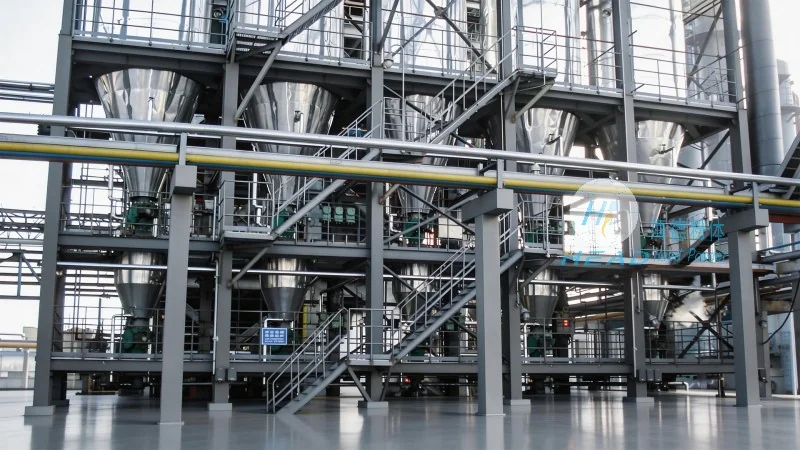
The physical and chemical properties of dry manure significantly influence the design and performance of the handling system. For example, the bulk density of the manure affects the conveyor's capacity and the required power to move it. High bulk density may necessitate the use of heavy-duty conveyors with higher torque capabilities. Similarly, the moisture content impacts the manure's flowability; excessively dry manure may lead to dust issues, while overly moist manure can cause clogging. Therefore, the system design must account for these variations, often incorporating moisture control measures or adjustable conveyor speeds to maintain optimal handling conditions. The presence of foreign materials, such as twigs or stones, also requires the inclusion of screening or separation mechanisms to protect the equipment and ensure smooth operation.
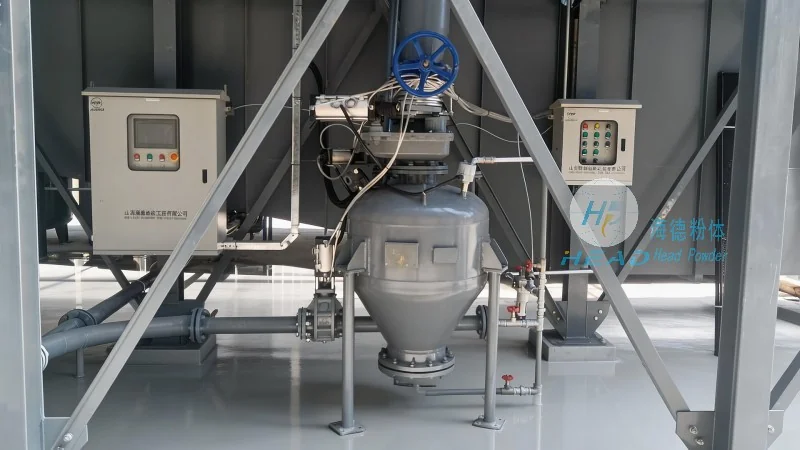
Dry manure material handling systems find extensive applications in various agricultural settings, including dairy farms, pig farms, and poultry operations. In these settings, the system helps in the efficient collection of manure from animal housing, which is then transported to composting or biogas facilities. The benefits of such systems extend beyond mere waste management; they contribute to resource recovery by converting manure into valuable products like compost or biogas, which can be used as fertilizer or energy source. Moreover, the systematic handling of manure reduces the risk of environmental contamination, such as runoff or odor pollution, thereby enhancing the overall sustainability of the agricultural operation. The use of advanced material handling systems also improves labor efficiency, as manual handling of manure is replaced by automated processes, reducing the physical strain on workers and improving workplace safety.
In conclusion, dry manure material handling systems are essential for modern agricultural practices, combining efficiency, sustainability, and safety in the management of livestock waste. The design principles and components of these systems are tailored to the specific needs of the operation, ensuring optimal performance and resource utilization. As the demand for sustainable agricultural practices grows, the importance of such systems will continue to increase, supporting the transition towards more environmentally friendly and economically viable farming methods. Shandong HeadPowder Engineering Co., Ltd., a leading provider in this field, specializes in the design and manufacturing of customized dry manure handling solutions that meet the diverse needs of agricultural and livestock operations. With a focus on innovation and quality, the company ensures that its systems are built to withstand the rigors of daily use while delivering reliable and efficient performance. HeadPowder's commitment to customer satisfaction and environmental responsibility makes it a trusted partner for agricultural businesses seeking to enhance their waste management and resource recovery capabilities. Based in Shandong, China, the company leverages its expertise and local resources to deliver solutions that are both effective and cost-efficient, contributing to the advancement of sustainable agriculture worldwide.

 Shandong Headpowder Engineering Co., Ltd.
 156-6277-7102(Manager Zhang)
  0531-83386006
  Zhangqiu District, Jinan City, Shandong Province, China
telephone
WeChatconsult
top