With more than 10‑year industry experience, Shandong Headpowder delivers full‑service pneumatic‑conveying systems and blowers, undertaking nationwide turn‑key powder‑handling projects.
Quicklime, or calcium oxide, is a vital industrial material used in applications such as steel production, water treatment, and chemical manufacturing. The efficient and safe handling of quicklime is essential to maintain production efficiency and ensure workplace safety. This article explores the concept of quicklime material handling systems, focusing on their design principles and the key components that enable effective material transport and storage.
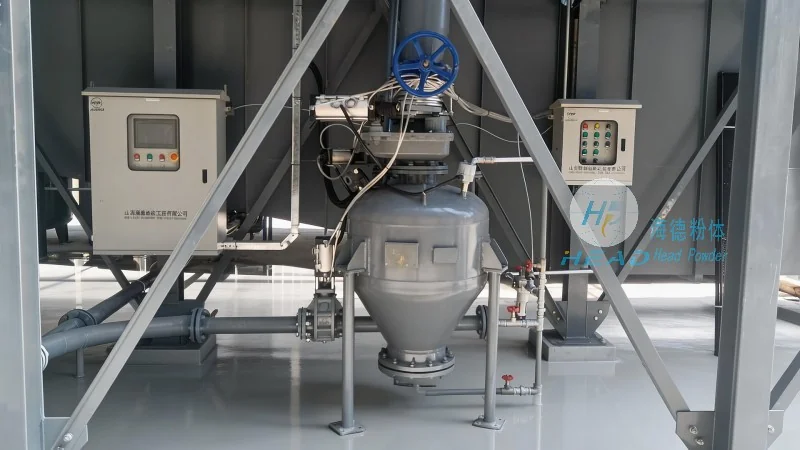
Quicklime material handling systems typically consist of several interconnected components designed to handle the unique properties of quicklime. These components include storage silos or hoppers, conveying equipment such as screw conveyors or pneumatic systems, and safety features like dust suppression and explosion-proof designs. The storage silos are often constructed from corrosion-resistant materials to withstand chemical reactions with moisture and air, while conveying systems are engineered to minimize material degradation and prevent dust generation.
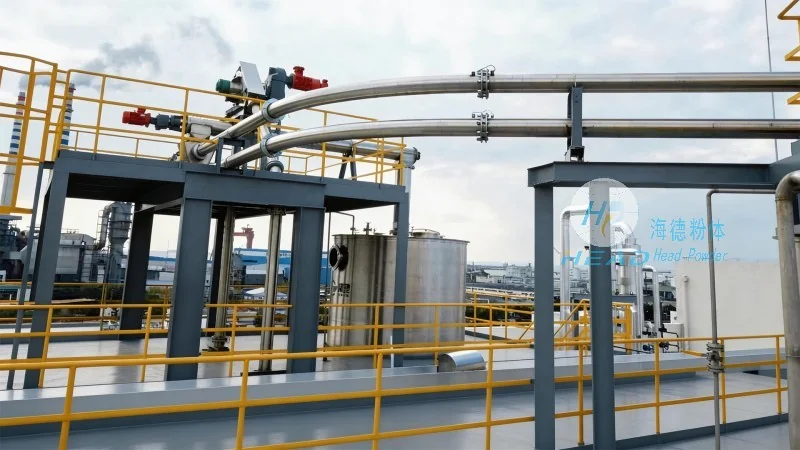
The design of quicklime material handling systems follows several core principles aimed at optimizing performance, safety, and cost-effectiveness. First, the system must address the reactive nature of quicklime, which can cause exothermic reactions when exposed to moisture. Therefore, moisture control is a paramount consideration, with systems incorporating sealed storage and dry conveying methods to prevent premature hydration. Second, dust management is critical due to the fine particle size of quicklime, which poses inhalation hazards and can lead to fire or explosion risks. Advanced dust suppression systems, including wet scrubbers and electrostatic precipitators, are integrated into the design to maintain air quality and comply with environmental regulations.
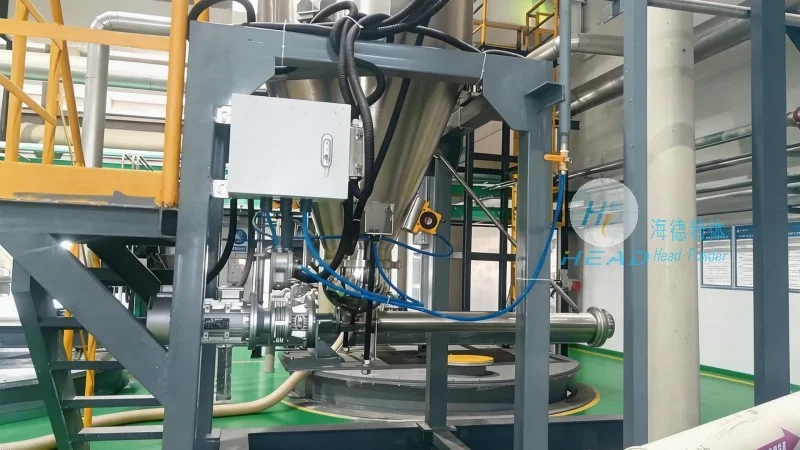
Conveying quicklime requires specialized technologies to handle its abrasive and reactive characteristics. Screw conveyors are commonly used for horizontal or slight incline transport, as they provide reliable, enclosed movement with minimal dust emission. Pneumatic conveying systems, on the other hand, are suitable for longer distances and vertical transport, utilizing air pressure to move quicklime through pipelines. Both technologies are often equipped with wear-resistant liners and high-strength materials to withstand the abrasive nature of quicklime and extend the system's lifespan.
Storage of quicklime is typically performed in large, airtight silos or hoppers, which are designed to minimize exposure to ambient air and moisture. These storage vessels are often made from stainless steel or other corrosion-resistant materials to prevent chemical reactions with the quicklime. The silos may also include agitators or level sensors to monitor the material's condition and ensure consistent supply to downstream processes. Additionally, some systems incorporate pre-drying or conditioning steps before the quicklime is transferred to the conveying equipment, further enhancing the material's stability and reducing the risk of caking or blockages.
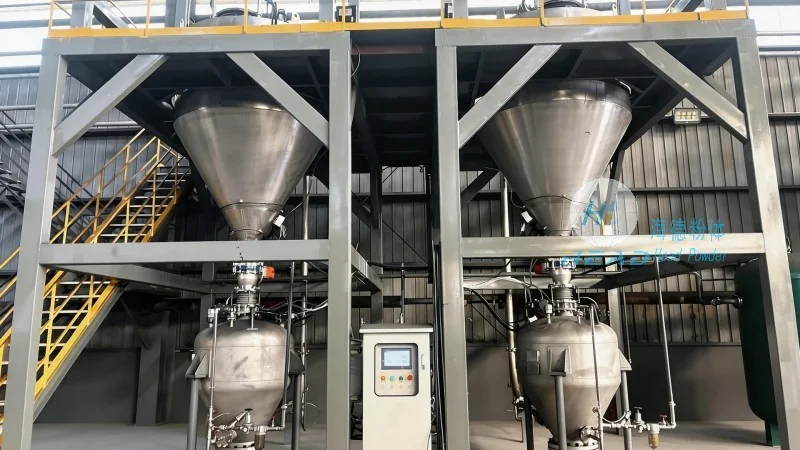
Given the hazardous nature of quicklime, safety is a top priority in system design. Quicklime material handling systems are equipped with multiple safety features, including emergency shutdown mechanisms, pressure relief valves, and fire suppression systems. The design also considers environmental impact, with dust control measures and proper waste management protocols to minimize the ecological footprint. Compliance with local regulations and industry standards is essential, ensuring that the system operates within legal and safety guidelines.

 Shandong Headpowder Engineering Co., Ltd.
 156-6277-7102(Manager Zhang)
  0531-83386006
  Zhangqiu District, Jinan City, Shandong Province, China
telephone
WeChatconsult
top