With more than 10‑year industry experience, Shandong Headpowder delivers full‑service pneumatic‑conveying systems and blowers, undertaking nationwide turn‑key powder‑handling projects.
For industrial applications involving the handling of dry lime, a specialized system known as a dry lime pneumatic conveying system equipment is often employed. This equipment is designed to efficiently transport dry lime from its source to the point of use, ensuring consistent flow and minimal material degradation. The design principles behind such systems are critical to their effectiveness and reliability in various industrial processes.
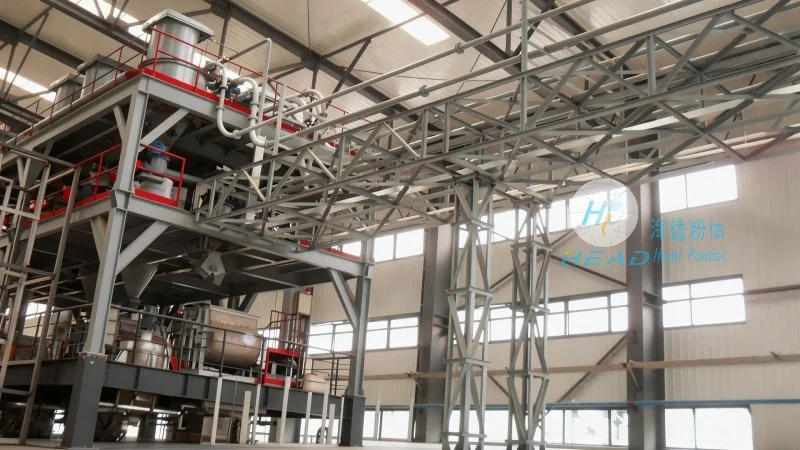
The dry lime pneumatic conveying system equipment is a type of pneumatic conveying system specifically engineered for the transport of dry lime, which is a common industrial material used in applications like flue gas desulfurization, water treatment, and chemical processing. Unlike traditional bulk material handling methods, this system utilizes air or gas to move the dry lime particles through a pipeline network. The system typically consists of several key components, including a hopper for material storage, a feeder to control the flow rate, a conveying line, and a receiver at the destination point. Each component plays a crucial role in ensuring the smooth and efficient operation of the system.
The design of a dry lime pneumatic conveying system equipment is guided by several fundamental principles aimed at optimizing performance, minimizing energy consumption, and ensuring material integrity. One of the primary principles is the selection of appropriate air velocity and pressure to achieve the desired conveying capacity. The air velocity must be sufficient to overcome the resistance of the material in the pipeline while preventing excessive wear on the system components. Additionally, the system design considers the particle size and density of the dry lime, as these factors influence the required air flow and pressure levels. The use of a positive pressure system, where air is blown into the pipeline, is common for dry lime conveying, as it allows for consistent material flow and reduces the risk of material degradation due to friction or impact.
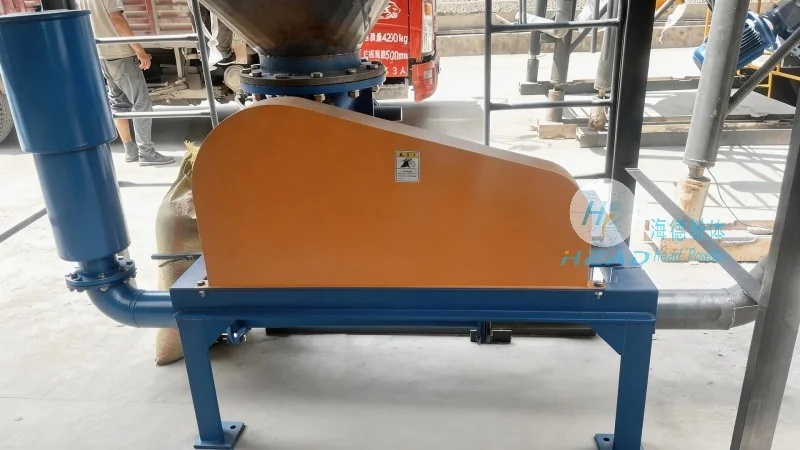
The dry lime pneumatic conveying system equipment comprises several essential components, each serving a specific function to ensure the system operates efficiently. The hopper is the primary storage vessel, designed to hold the dry lime and provide a consistent feed to the feeder. The feeder, often a rotary valve or a screw feeder, controls the flow rate of the dry lime into the conveying line, preventing overfeeding or underfeeding that could disrupt the system's performance. The conveying line, typically made of stainless steel or other corrosion-resistant materials, is the main pathway for the dry lime particles. The line is equipped with bends and fittings that are designed to minimize pressure loss and prevent material buildup. The receiver, located at the destination point, collects the dry lime and may include a silo or storage tank for further processing. The system may also include a filter or cyclone to separate any entrained air from the dry lime, ensuring that the material is delivered in a dry and clean state.
Implementing a dry lime pneumatic conveying system equipment offers several advantages over traditional material handling methods. One of the key benefits is the ability to transport dry lime over long distances without the need for intermediate storage or handling points. This reduces the risk of material contamination and ensures a consistent supply of dry lime to the processing equipment. Additionally, the system is compact and can be installed in confined spaces, making it suitable for applications where floor space is limited. The use of a pneumatic system also minimizes the need for manual handling, reducing labor costs and improving workplace safety. Furthermore, the system can be easily integrated with other industrial processes, such as automation systems, to enhance overall operational efficiency.
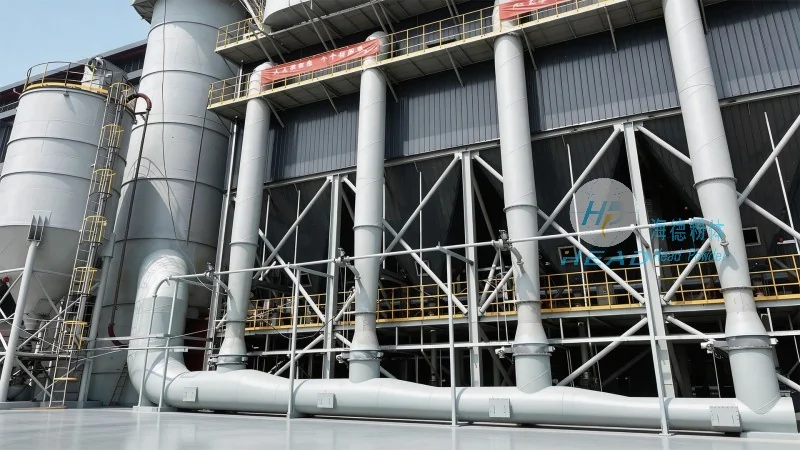
The dry lime pneumatic conveying system equipment is widely used in various industrial applications that require the handling of dry lime. In the power generation industry, for example, dry lime is used in flue gas desulfurization systems to remove sulfur dioxide from exhaust gases. The pneumatic conveying system ensures that the dry lime is delivered to the desulfurization unit in a controlled manner, maintaining the required chemical composition and preventing equipment corrosion. In water treatment facilities, dry lime is used to adjust the pH levels of water, and the conveying system ensures that the material is added to the treatment process efficiently. Other applications include chemical manufacturing, where dry lime is used as a raw material in the production of various chemicals, and in the food industry, where it may be used as a food additive or processing aid.
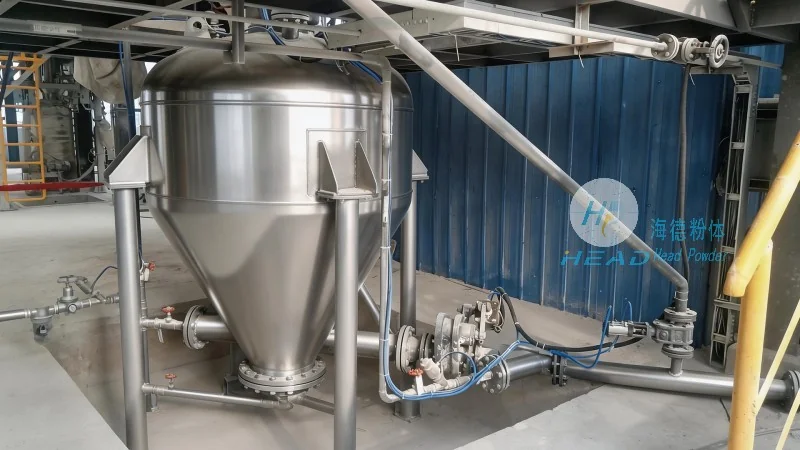
When designing and installing a dry lime pneumatic conveying system equipment, several factors must be considered to ensure optimal performance and longevity. The first consideration is the material of construction, as dry lime can be corrosive and abrasive. Stainless steel or other corrosion-resistant materials are typically used for the conveying line and components to prevent wear and corrosion. The system must also be designed to handle the specific particle size and density of the dry lime, as these factors affect the air flow and pressure requirements. The system's capacity must be matched to the production requirements of the industrial process, ensuring that the conveying rate is sufficient to meet demand without overloading the system. Additionally, the system should be equipped with appropriate safety features, such as pressure relief valves and air filters, to prevent accidents and ensure safe operation. Regular maintenance and inspection of the system are also essential to ensure its continued performance and reliability.
In conclusion, the dry lime pneumatic conveying system equipment is a critical component in industrial processes that require the efficient handling of dry lime. The design principles behind this system focus on optimizing material flow, minimizing energy consumption, and ensuring material integrity. By understanding the key components and design considerations, industrial facilities can select and implement a system that meets their specific needs and enhances overall operational efficiency. The use of such systems not only improves the reliability and safety of material handling but also reduces costs associated with manual handling and material loss. As industrial processes continue to evolve, the importance of efficient material handling systems like the dry lime pneumatic conveying system equipment will only grow, making it a valuable investment for companies operating in various industrial sectors.

 Shandong Headpowder Engineering Co., Ltd.
 156-6277-7102(Manager Zhang)
  0531-83386006
  Zhangqiu District, Jinan City, Shandong Province, China
telephone
WeChatconsult
top