With more than 10‑year industry experience, Shandong Headpowder delivers full‑service pneumatic‑conveying systems and blowers, undertaking nationwide turn‑key powder‑handling projects.
Clay ash, a byproduct of industrial processes such as power generation and cement production, requires efficient handling and transportation. The clay ash pneumatic conveying system is a specialized technology designed to address these challenges by using air as the primary medium to transport clay ash particles. This system is crucial for optimizing material flow, reducing environmental impact, and enhancing operational efficiency in industrial settings.
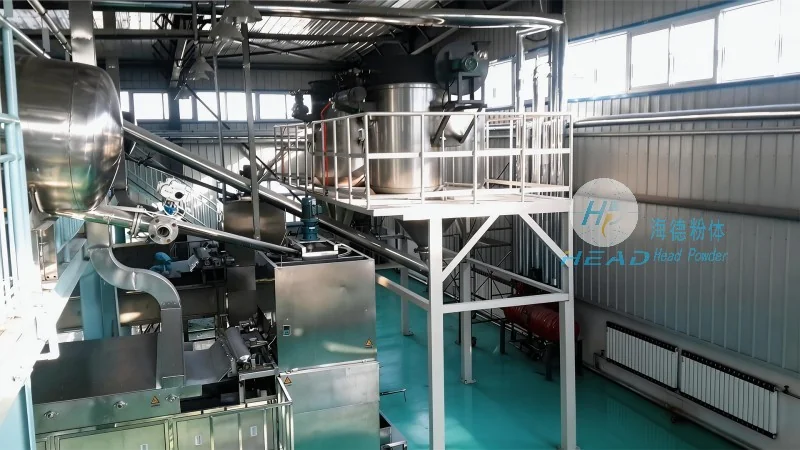
The clay ash pneumatic conveying system is a method of transporting bulk materials, specifically clay ash, through a pipeline using compressed air. Unlike traditional mechanical conveying systems, this system relies on the force of air to move particles, making it ideal for handling fine, abrasive, or potentially hazardous materials like clay ash. The system typically consists of several key components, including a material feeder, a conveying line, a separator, and a dust collection system. Each component plays a vital role in ensuring the efficient and safe transport of clay ash from its source to its destination.
1. Material Feeder: The feeder is responsible for introducing clay ash into the conveying line at a controlled rate. It ensures a consistent flow of material, preventing blockages and maintaining system efficiency. The design of the feeder, such as a rotary valve or a screw feeder, is critical to handle the specific characteristics of clay ash, including its particle size, moisture content, and flowability.
2. Conveying Line: The pipeline through which the clay ash is transported. It is usually made of materials resistant to abrasion and corrosion, such as stainless steel or special alloys, to withstand the wear and chemical exposure from clay ash. The diameter and length of the line are carefully selected based on the material's properties and the required conveying distance.
3. Compressor and Air System: The heart of the pneumatic conveying system, the compressor generates the necessary pressure to move the air and clay ash particles through the line. The air system includes filters, regulators, and moisture separators to ensure clean, dry air, which is essential for preventing system clogs and maintaining performance.
4. Separator and Dust Collector: At the end of the conveying line, the system includes a separator to separate the clay ash from the air stream. This is typically achieved through a cyclone or a baghouse filter. The separated clay ash is collected in a hopper or silo, while the cleaned air is discharged back into the environment or recirculated, depending on the system design.
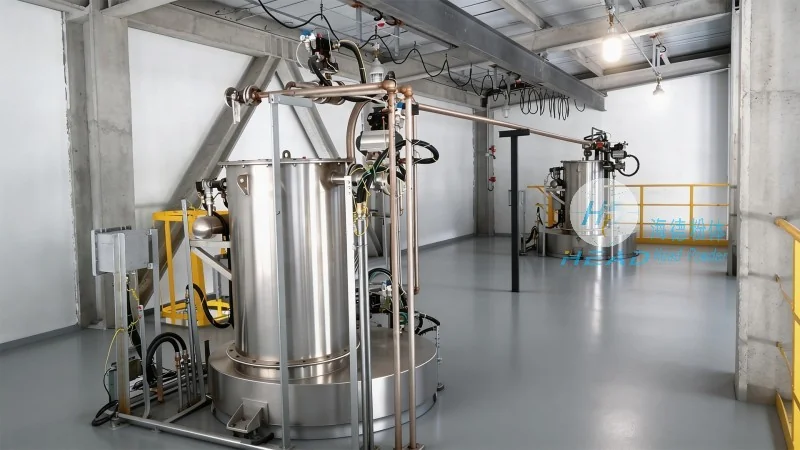
The design of a clay ash pneumatic conveying system is based on several fundamental principles to ensure optimal performance. These principles include maintaining the correct air-to-material ratio, controlling the velocity of the air stream, and managing the pressure within the system. The air-to-material ratio is crucial as it determines the system's capacity and efficiency. An optimal ratio ensures that the clay ash particles are fully suspended and transported without causing excessive pressure drops or system wear.
Velocity control is another critical design consideration. The air velocity must be high enough to keep the particles in suspension but not so high as to cause excessive abrasion on the pipeline or excessive energy consumption. The system's design must also account for the particle size distribution of the clay ash, as finer particles require higher velocities to maintain suspension.
Pressure management is essential to prevent system failures and ensure smooth operation. The system must be designed to handle the pressure drops caused by the feeder, line friction, and the separator. Proper sizing of the compressor and the conveying line is necessary to maintain the required pressure throughout the system. Additionally, the system should include pressure relief valves and other safety features to protect against overpressure situations.
Implementing a clay ash pneumatic conveying system offers several advantages over traditional methods. First, it provides a closed system, which helps to minimize dust emissions and environmental contamination. This is particularly important for clay ash, which can be a source of air pollution if not handled properly. The closed system also reduces the risk of material loss and improves overall material recovery rates.
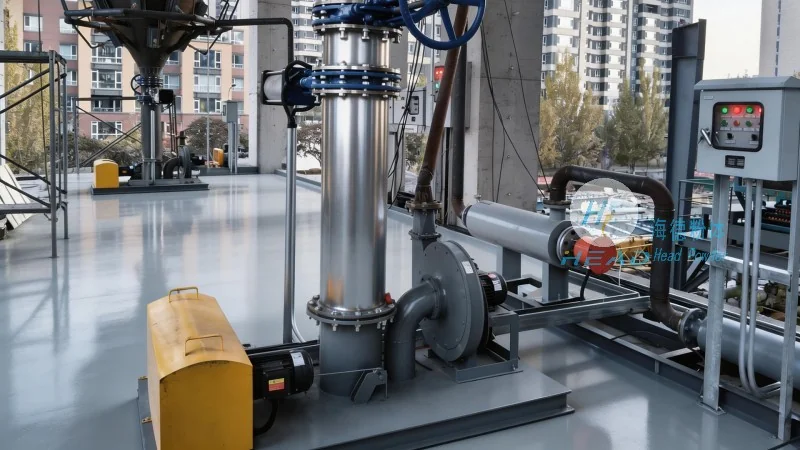
Second, the system enhances operational efficiency by allowing for continuous and automated material transport. This reduces labor costs and improves the reliability of material handling processes. The system's ability to handle fine particles without clogging or blockages also minimizes downtime and maintenance requirements.
Third, the clay ash pneumatic conveying system is highly flexible and can be adapted to various industrial applications. It can be used for short or long-distance transport, and the system can be scaled up or down to meet changing production needs. The modular design of the system allows for easy expansion or modification as the industrial process evolves.
The clay ash pneumatic conveying system is widely used in industries that generate clay ash as a byproduct. These include the power generation industry, where coal-fired power plants produce large quantities of clay ash, and the cement industry, where raw materials are processed to produce cement. The system is also used in other industrial sectors, such as the chemical and pharmaceutical industries, where fine powders need to be transported safely and efficiently.
In the power generation industry, the system is used to transport clay ash from the boiler to the storage silo or to the disposal site. This allows for the efficient handling of large volumes of ash, reducing the need for manual handling and minimizing the risk of dust exposure for workers. In the cement industry, the system is used to transport raw materials like clay and limestone to the grinding mills, ensuring a consistent and controlled feed rate.
The clay ash pneumatic conveying system is a sophisticated and efficient solution for handling clay ash in industrial applications. By understanding its design principles and components, industries can optimize their material handling processes, reduce environmental impact, and improve overall operational efficiency. As a leading provider in this field, Shandong HeadPowder Engineering Co., Ltd. specializes in designing and manufacturing customized pneumatic conveying systems tailored to the specific needs of their clients. With a focus on quality, reliability, and innovation, HeadPowder has become a trusted partner for industries seeking to enhance their clay ash handling capabilities.

 Shandong Headpowder Engineering Co., Ltd.
 156-6277-7102(Manager Zhang)
  0531-83386006
  Zhangqiu District, Jinan City, Shandong Province, China
telephone
WeChatconsult
top