With more than 10‑year industry experience, Shandong Headpowder delivers full‑service pneumatic‑conveying systems and blowers, undertaking nationwide turn‑key powder‑handling projects.
HeadPowder, a leading engineering company based in Shandong, China, specializes in the design and implementation of advanced pneumatic conveying systems tailored for rapeseed handling. This article delves into the fundamental aspects of rapeseed pneumatic conveying systems, exploring what they are and the core design principles that govern their operation.
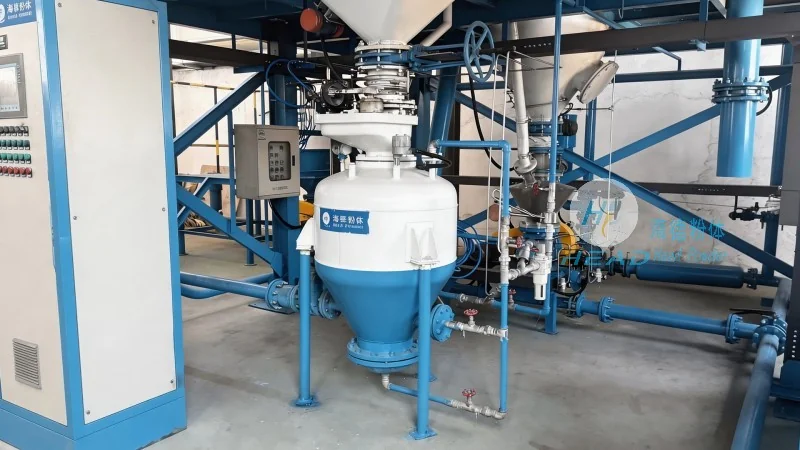
A rapeseed pneumatic conveying system is a mechanical process that uses compressed air to transport rapeseed particles through a network of pipes. This method offers a highly efficient and hygienic solution for moving bulk rapeseed from one location to another, such as from storage silos to processing facilities or during the transportation between farms and processing plants. The system eliminates the need for traditional bulk handling equipment like conveyor belts or bucket elevators, reducing operational costs and minimizing product contamination.
Shandong HeadPowder Engineering Co., Ltd. is a reputable firm dedicated to providing customized pneumatic conveying solutions for agricultural and industrial applications. With a strong presence in Shandong, China, the company leverages decades of experience in engineering and material handling to design systems that meet the unique demands of rapeseed processing. HeadPowder's expertise lies in understanding the physical properties of rapeseed—such as its density, moisture content, and particle size—and tailoring the conveying system to optimize performance while ensuring durability and low maintenance.
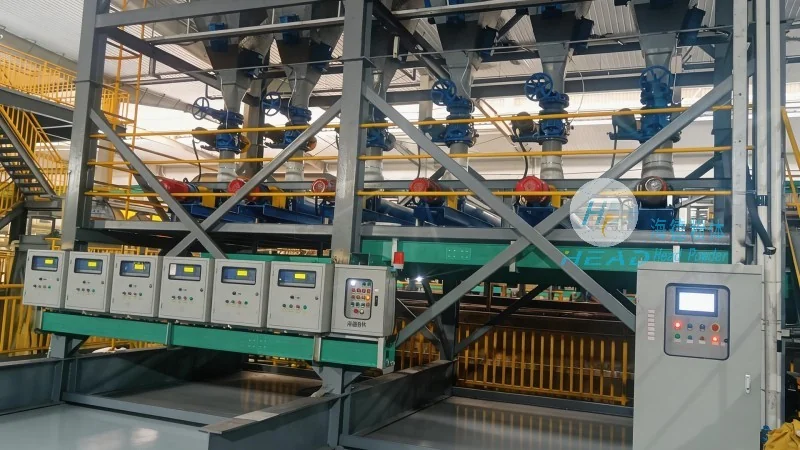
The operation of a rapeseed pneumatic conveying system revolves around the use of a positive displacement or centrifugal fan (often called a blower) to generate the necessary air pressure. The system typically consists of three main components: the air source (blower), the conveying line (pipes), and the separation equipment (cyclones or filters). When the system is activated, the blower draws in ambient air and forces it through the pipes at a high velocity. The rapeseed is introduced into the system, either by gravity or via a feeder, and is entrained by the air stream, creating a slurry-like mixture that travels through the pipes to the destination point.
The effectiveness of a rapeseed pneumatic conveying system depends on several critical design principles that ensure optimal performance and longevity. These principles include:
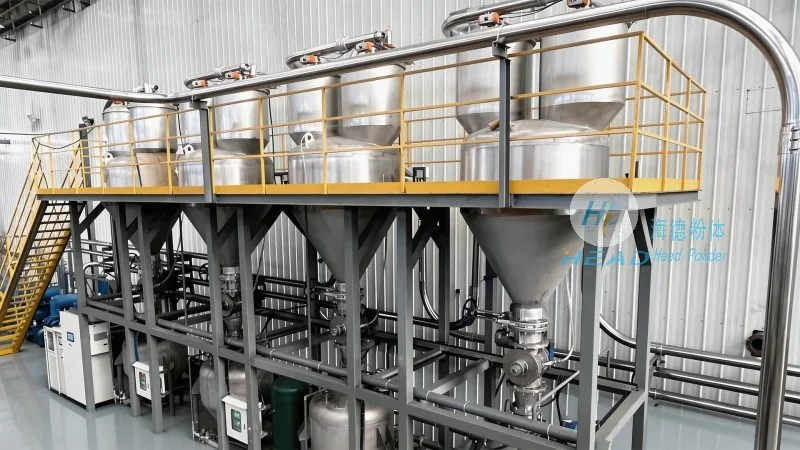
Implementing a pneumatic conveying system for rapeseed handling offers numerous advantages over traditional methods. These benefits include:
For businesses looking to enhance their rapeseed handling operations, a well-designed pneumatic conveying system is an invaluable investment. Shandong HeadPowder Engineering Co., Ltd. combines expertise in engineering, material science, and agricultural processing to deliver customized solutions that meet the unique requirements of each client. By adhering to the fundamental design principles outlined above, HeadPowder ensures that its systems are not only efficient and reliable but also durable and cost-effective. Whether you need to transport rapeseed over short or long distances, HeadPowder's pneumatic conveying systems provide a superior solution that meets the highest standards of performance and quality.

 Shandong Headpowder Engineering Co., Ltd.
 156-6277-7102(Manager Zhang)
  0531-83386006
  Zhangqiu District, Jinan City, Shandong Province, China
telephone
WeChatconsult
top