With more than 10‑year industry experience, Shandong Headpowder delivers full‑service pneumatic‑conveying systems and blowers, undertaking nationwide turn‑key powder‑handling projects.
Calcium chloride is a widely used chemical in various industrial applications, and efficient handling of this material is crucial for maintaining production efficiency and safety. Pneumatic conveying systems offer a reliable method for transporting calcium chloride, and understanding the underlying principles of such equipment is essential for optimizing operations. This article delves into the fundamental principles of calcium chloride pneumatic conveying equipment, highlighting key components, operational mechanisms, and practical considerations for effective material transport.
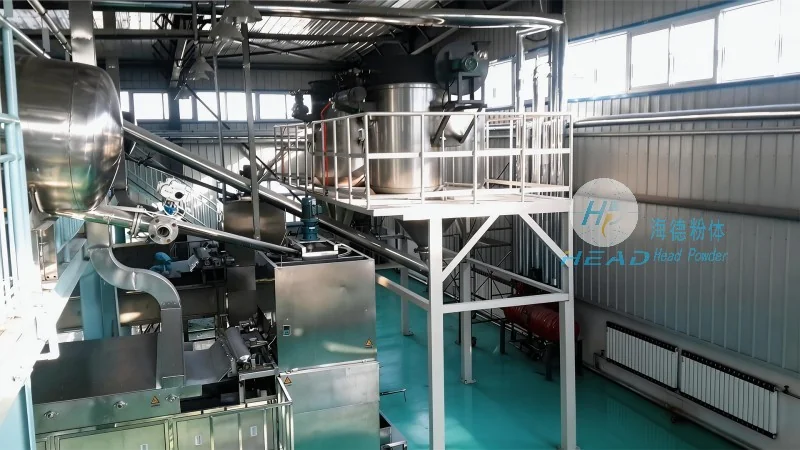
The pneumatic conveying system for calcium chloride typically consists of several critical components that work in tandem to facilitate material transport. The primary components include a material hopper, a feeder, a conveying pipeline, a venturi or airlock, and a receiver or discharge unit. Each component plays a vital role in ensuring the smooth and efficient movement of calcium chloride from the source to the destination.
The material hopper is designed to store the calcium chloride, providing a consistent feed to the feeder. It is often equipped with a level indicator to monitor the material inventory. The feeder, which can be a rotary valve or a screw feeder, regulates the flow of calcium chloride into the conveying pipeline, ensuring a controlled and steady supply of material. The conveying pipeline, usually made of stainless steel or other corrosion-resistant materials, transports the material and air mixture. The venturi or airlock is a critical component that creates the necessary pressure differential to move the material through the pipeline. The receiver or discharge unit collects the calcium chloride at the end of the conveying process, completing the transport cycle.
Pneumatic conveying systems for calcium chloride operate based on the principle of using air or gas to transport the material. There are two main types of pneumatic conveying: dilute phase and dense phase. Dilute phase systems use low air velocities to transport the material, while dense phase systems use higher air velocities and lower material concentrations to achieve more controlled and efficient transport.
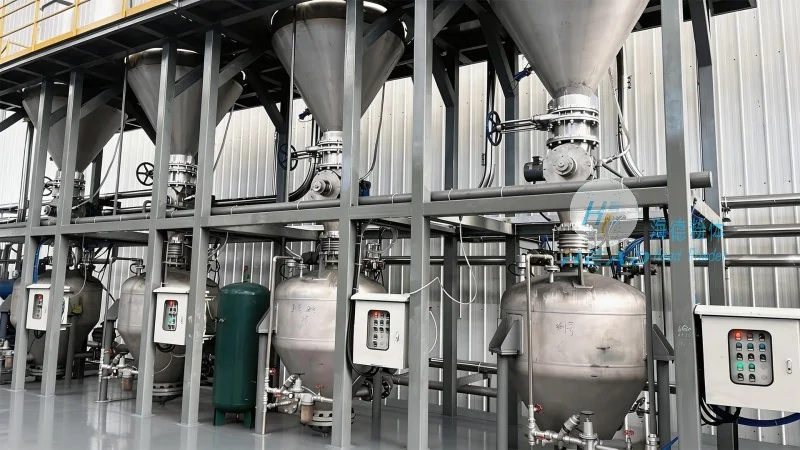
In dilute phase pneumatic conveying, the calcium chloride particles are suspended in the air stream as it moves through the pipeline. This method is suitable for short to medium distances and low to moderate material flow rates. The system relies on the air velocity to keep the particles airborne and prevent them from settling. The air is typically supplied by a blower or a compressor, and the pressure is maintained to ensure the material moves efficiently.
Dense phase pneumatic conveying, on the other hand, uses higher air velocities and lower material concentrations, resulting in a more concentrated mixture of material and air. This method is ideal for longer distances and higher material flow rates, as it provides better control over the material's movement and reduces the risk of material degradation or blockages. The system often uses a positive displacement blower or a compressor to generate the necessary pressure and air flow.
Implementing pneumatic conveying systems for calcium chloride offers several advantages over traditional methods such as belt conveyors or bucket elevators. One of the key benefits is the ability to transport the material in a closed system, which minimizes dust emissions and improves workplace safety. This is particularly important for calcium chloride, which can be hygroscopic and cause respiratory issues if not handled properly.
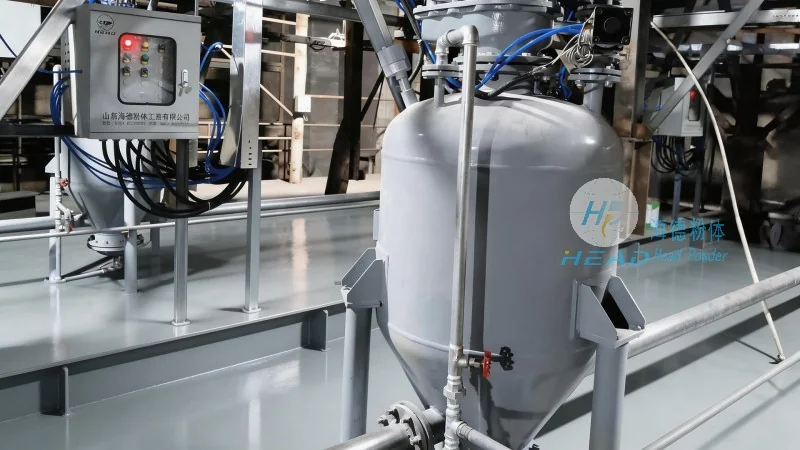
Another advantage is the flexibility of pneumatic conveying systems. They can be easily integrated into existing production lines and can transport calcium chloride to various destinations, including storage silos, processing units, or packaging areas. The system can also handle different particle sizes and moisture contents, making it versatile for various applications.
Furthermore, pneumatic conveying systems are relatively low maintenance compared to other material handling equipment. The components are designed to withstand the corrosive nature of calcium chloride, and regular maintenance checks can ensure the system operates efficiently for extended periods. This reduces downtime and maintenance costs, contributing to overall operational efficiency.
When designing and operating a pneumatic conveying system for calcium chloride, several practical considerations must be taken into account to ensure optimal performance. The first consideration is the material's properties, such as particle size, density, and moisture content. These factors affect the air velocity required for effective transport and the system's overall efficiency.
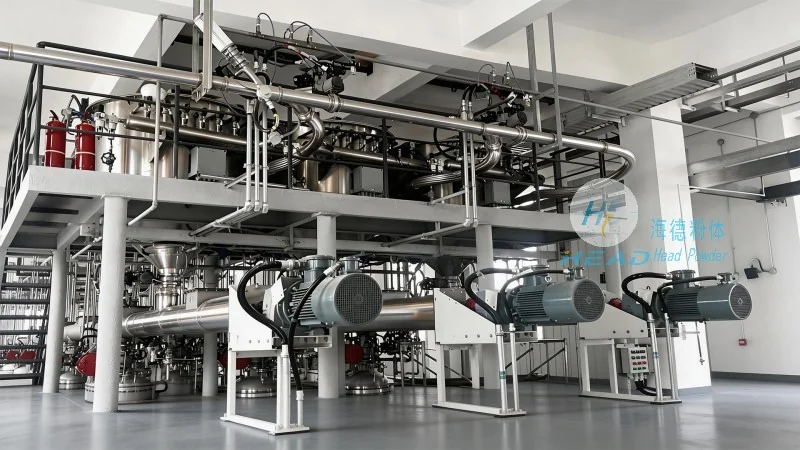
Another important consideration is the distance and layout of the conveying system. The length and elevation changes of the pipeline will impact the required air pressure and the type of blower or compressor needed. Proper system sizing and layout planning are crucial to avoid pressure losses and ensure the material reaches its destination without issues.
Regular maintenance and monitoring are also essential for maintaining the efficiency of the pneumatic conveying system. This includes checking the condition of the pipeline, ensuring the feeder operates correctly, and monitoring the air pressure and flow rates. Any issues detected during routine checks should be addressed promptly to prevent system failures or material blockages.
Pneumatic conveying equipment is a highly effective solution for transporting calcium chloride in industrial settings. By understanding the fundamental principles of these systems, including key components, operational mechanisms, and practical considerations, businesses can optimize their material handling processes. The advantages of closed systems, flexibility, and low maintenance make pneumatic conveying an attractive option for calcium chloride handling. As a leading provider in the industry, Shandong HeadPowder Engineering Co., Ltd. specializes in designing and manufacturing high-quality pneumatic conveying systems tailored to the specific needs of calcium chloride applications, ensuring reliable and efficient material transport for its clients.

 Shandong Headpowder Engineering Co., Ltd.
 156-6277-7102(Manager Zhang)
  0531-83386006
  Zhangqiu District, Jinan City, Shandong Province, China
telephone
WeChatconsult
top