With more than 10‑year industry experience, Shandong Headpowder delivers full‑service pneumatic‑conveying systems and blowers, undertaking nationwide turn‑key powder‑handling projects.
Understanding the dry flue gas desulfurization ash pneumatic conveying equipment is crucial for industries involved in flue gas treatment and waste management. This equipment is designed to efficiently transport the byproduct of dry flue gas desulfurization (FGD) processes, which is typically a fine powder known as desulfurization ash. The efficient handling of this material is essential for maintaining the operational efficiency of power plants and other industrial facilities that utilize flue gas desulfurization systems.
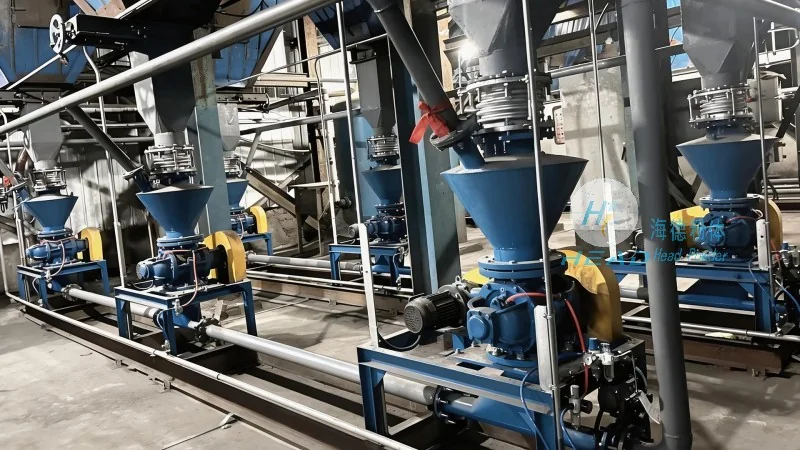
HeadPowder, a leading manufacturer in the field of powder handling and conveying systems, specializes in providing high-quality solutions for the transportation of dry FGD ash. With a strong focus on engineering excellence and customer satisfaction, Shandong HeadPowder Engineering Co., Ltd. has established itself as a trusted partner for industries seeking reliable and efficient pneumatic conveying equipment. The company's headquarters is located in Shandong, China, where it conducts research, development, and manufacturing of advanced powder handling technologies.
The dry flue gas desulfurization ash pneumatic conveying equipment typically consists of several key components that work in tandem to ensure the efficient transport of the ash. The primary components include a hopper for material storage, a feeder to control the flow of ash into the system, a conveying line (often equipped with a blower or compressor to generate the necessary air pressure), and a discharge unit for delivering the ash to its final destination. The hopper is designed to hold a sufficient quantity of ash, ensuring a continuous supply to the feeder. The feeder, which may be a rotary valve or a screw feeder, regulates the flow rate of the ash, preventing overloading of the conveying line and maintaining consistent pressure within the system.
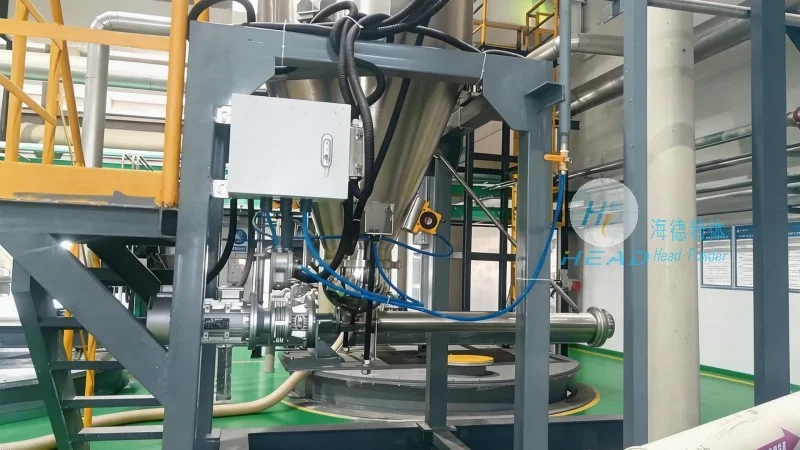
The conveying line is the core of the pneumatic system, responsible for transporting the ash particles through the air stream. It is usually made of durable materials such as stainless steel or high-density polyethylene to withstand the abrasive nature of the ash and the pressure of the air flow. The blower or compressor provides the necessary air pressure, typically ranging from 0.5 to 1.5 bar, depending on the distance and volume of material to be conveyed. The air velocity within the line is carefully controlled to ensure that the ash particles are suspended and transported without clogging or deposition.
The operation of the dry flue gas desulfurization ash pneumatic conveying equipment is based on the principle of pneumatic transport, where solid particles are suspended and moved by a moving air stream. The process begins with the ash being discharged from the hopper into the feeder. The feeder then controls the flow of ash, which is then introduced into the conveying line along with the air stream. The air, under pressure from the blower or compressor, creates a high-velocity flow that lifts and transports the ash particles through the line. The ash particles are kept in suspension by the air velocity, which is maintained at a level sufficient to prevent settling. The conveying line may include bends, expansions, or reductions, which are designed to minimize pressure loss and ensure smooth flow. At the discharge end, the air and ash mixture is separated, with the ash being collected in a receiving hopper or container, and the air being discharged to the atmosphere or recirculated, depending on the system design.
Compared to traditional methods such as belt conveyors or bucket elevators, pneumatic conveying offers several advantages for transporting dry flue gas desulfurization ash. One of the key benefits is the ability to handle fine and abrasive materials without the risk of clogging or wear. The enclosed system also prevents dust emissions, which is important for maintaining a clean and safe working environment. Additionally, pneumatic conveying systems can be designed to transport materials over long distances with minimal maintenance requirements. The flexibility of the system allows for easy integration with existing plant infrastructure, and the ability to control the flow rate and pressure ensures precise control over the material handling process.
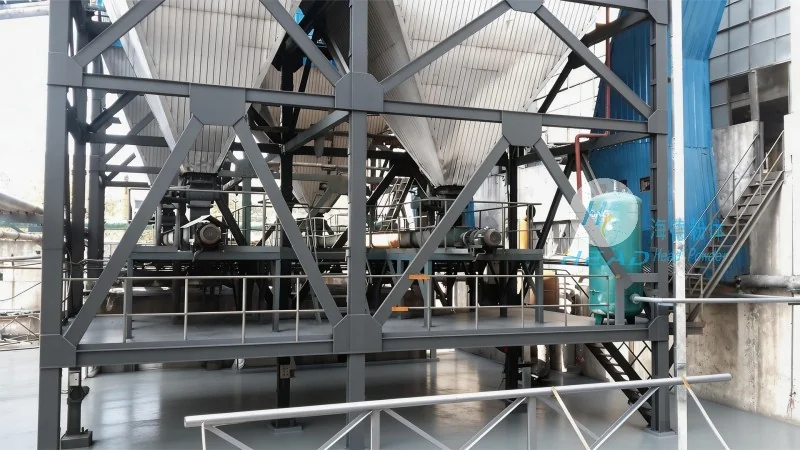
The dry flue gas desulfurization ash pneumatic conveying equipment is widely used in various industries that rely on flue gas desulfurization systems. The primary application is in power plants, where the ash is transported from the FGD system to a storage facility or for further processing. Other industries that may benefit from this equipment include chemical plants, industrial boilers, and waste management facilities that generate fine powders as byproducts. The equipment is also suitable for transporting other types of fine powders, such as cement, coal ash, or other industrial residues, making it a versatile solution for powder handling needs.
Proper maintenance is essential to ensure the long-term performance and reliability of the dry flue gas desulfurization ash pneumatic conveying equipment. Regular inspection of the hopper, feeder, and conveying line is necessary to check for wear and tear, clogging, or damage. The blower or compressor should be checked for proper operation and maintenance, including oil levels and filter changes. The air filters and separators should be cleaned or replaced regularly to prevent dust accumulation and maintain air quality. Additionally, the system should be checked for leaks, which can cause pressure loss and reduce the efficiency of the conveying process. Proper training of operators on the safe and efficient operation of the equipment is also crucial to prevent accidents and ensure optimal performance.

 Shandong Headpowder Engineering Co., Ltd.
 156-6277-7102(Manager Zhang)
  0531-83386006
  Zhangqiu District, Jinan City, Shandong Province, China
telephone
WeChatconsult
top