

Introduction to Dry Flue Gas Desulfurization Ash Pneumatic Conveying and the Working Principle of Pn
For industrial applications, especially in the power generation sector, the efficient handling of byproducts from flue gas desulfurization (FGD) processes is crucial. One of the key challenges is managing the dry FGD ash, which requires specialized equipment to transport it from the collection point to disposal or reuse sites. This article provides an overview of dry FGD ash pneumatic conveying systems, detailing their working principles and the technical aspects that make them effective in industrial settings.
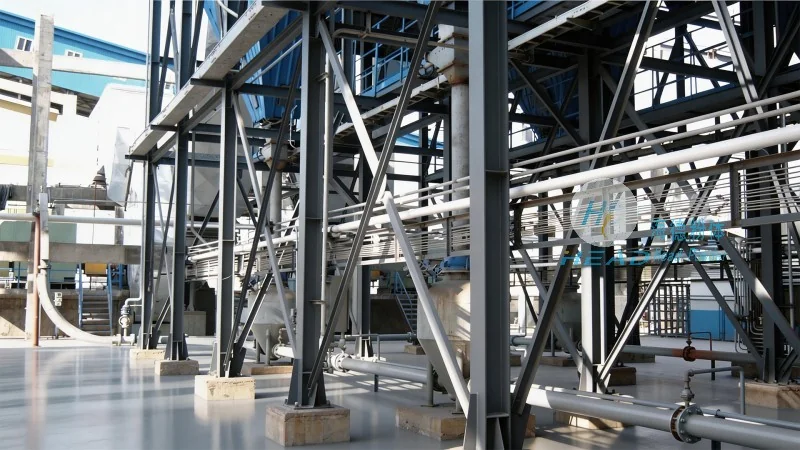
Understanding Dry Flue Gas Desulfurization Ash
Dry flue gas desulfurization (FGD) is a process used to remove sulfur dioxide (SO₂) from exhaust gases produced by coal-fired power plants. The process typically involves the use of limestone or other sorbents to react with SO₂, resulting in the formation of gypsum or other byproducts. The resulting dry ash, often referred to as FGD ash, is a fine powder that needs to be transported efficiently to avoid environmental contamination and ensure compliance with regulatory standards.
Pneumatic Conveying Systems for FGD Ash
Pneumatic conveying systems offer a reliable and efficient method for transporting dry FGD ash over short to medium distances. These systems use air pressure or vacuum to move the material through a network of pipes, eliminating the need for mechanical components like belts or buckets that can be prone to wear and maintenance issues. The technology is particularly suitable for handling fine powders, as it minimizes dust generation and provides a clean, enclosed transport solution.
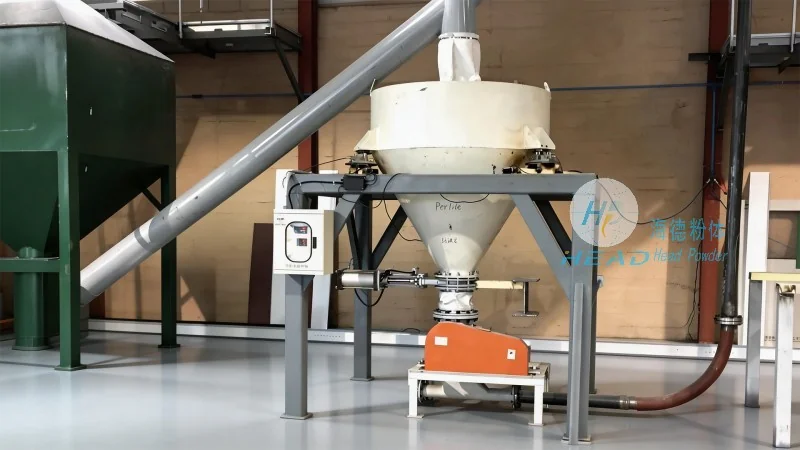
Working Principle of Pneumatic Conveying
The core of a pneumatic conveying system is the use of air to create a flow that transports the material. There are two main types of pneumatic conveying: pressure and vacuum systems. In pressure systems, compressed air is introduced at the material inlet, pushing the ash through the pipeline. Vacuum systems, on the other hand, use a vacuum pump to draw the material from the source into the conveying line. Both systems rely on the principles of fluid dynamics to ensure consistent and controlled movement of the ash.
Key Components of the System
A typical pneumatic conveying system for FGD ash includes several key components that work in tandem to ensure efficient operation. These components include:
- Material Feeders: Devices that feed the dry ash into the conveying line at a controlled rate, preventing blockages and ensuring a steady flow.
- Conveying Pipes: The main pipeline through which the ash and air travel. The pipe design, including diameter and material, is critical to minimize pressure drop and prevent material buildup.
- Air Supply Units: For pressure systems, these units provide the necessary compressed air, while vacuum systems use vacuum pumps to create the suction effect.
- Control Valves and Regulators: These components manage the air flow and pressure, ensuring optimal performance and preventing overloading or underperformance.
- Separators and Filters: These are used to separate the ash from the air at the discharge point, ensuring that the material is collected without releasing dust into the environment.
Advantages of Pneumatic Conveying for FGD Ash
Implementing a pneumatic conveying system for dry FGD ash offers several advantages over traditional methods. These include:
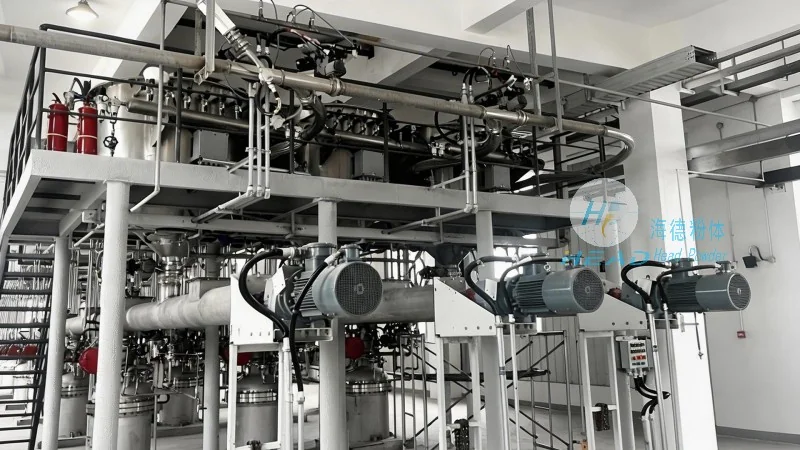
- Reduced Environmental Impact: The enclosed system minimizes dust emissions, protecting both the environment and personnel from exposure to fine particles.
- Increased Efficiency: Pneumatic systems can transport materials over longer distances with less energy consumption compared to other methods, such as truck transport.
- Lower Maintenance Costs: With fewer moving parts and no mechanical components in direct contact with the ash, the system requires less maintenance and has a longer operational lifespan.
- Flexibility in Layout: The system can be easily adapted to different plant layouts, allowing for the integration of conveying lines into existing infrastructure without major modifications.
Application and Implementation
The successful implementation of a pneumatic conveying system for dry FGD ash depends on several factors, including the plant's layout, the distance to be covered, and the volume of ash to be transported. Proper design and sizing of the system components are essential to ensure that the system operates efficiently and meets the required performance standards. This involves calculating the appropriate air flow rates, pipe diameters, and pressure levels to achieve the desired conveying capacity.
About Shandong HeadPowder Engineering Co., Ltd.
Shandong HeadPowder Engineering Co., Ltd., operating under the brand name HeadPowder, is a leading provider of industrial material handling solutions. With a focus on innovative and efficient technologies, the company specializes in the design, manufacturing, and installation of pneumatic conveying systems for various industrial applications, including those in the power generation sector. HeadPowder's expertise in material handling ensures that clients receive tailored solutions that meet their specific operational needs and regulatory requirements.