With more than 10‑year industry experience, Shandong Headpowder delivers full‑service pneumatic‑conveying systems and blowers, undertaking nationwide turn‑key powder‑handling projects.
HeadPowder, a leading enterprise in the field of pneumatic conveying technology, specializes in the design, manufacturing, and integration of advanced systems tailored for the food additive industry. With a focus on precision, efficiency, and compliance with industry standards, our solutions address the unique challenges of handling food additives, ensuring safe and reliable material transport. This article provides an in-depth analysis of the classification of pneumatic conveying systems and their practical applications in the food additive sector.
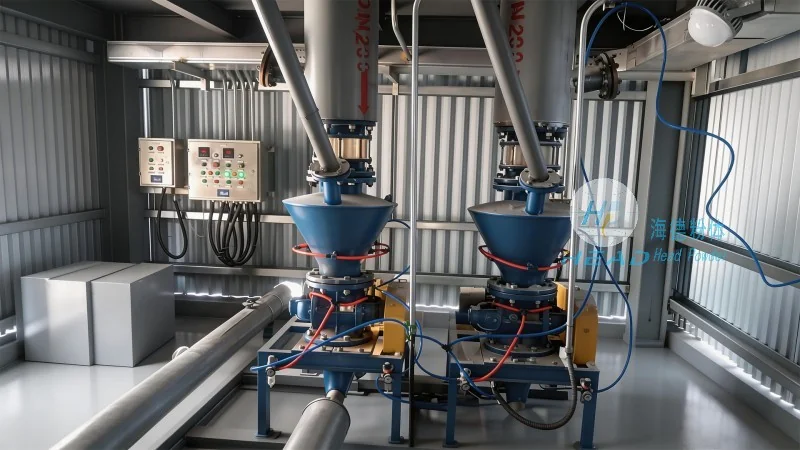
Pneumatic conveying systems are essential for the efficient handling of food additives, which often include powders, granules, and other fine materials. These systems utilize air or other gases to transport materials from one location to another, offering advantages such as reduced contamination risk, improved hygiene, and the ability to handle sensitive products without mechanical contact. The primary goal of these systems is to maintain product integrity while optimizing operational efficiency in food processing facilities.
Based on the principles of operation and the type of air flow, pneumatic conveying systems for food additives can be classified into several categories. The most common types include pressure systems, vacuum systems, and combined systems. Each category has distinct characteristics and is suitable for different operational requirements.
Pressure systems operate by forcing air or gas into a closed pipeline under pressure, moving the material from the source to the destination. This method is ideal for applications requiring high material throughput and long-distance transport. In the food additive industry, pressure systems are often used for transporting bulk quantities of powders and granules from storage silos to processing lines. The system typically consists of a positive displacement blower, a material feed hopper, and a discharge point, with air being introduced at the inlet to create a pressure differential that propels the material forward.
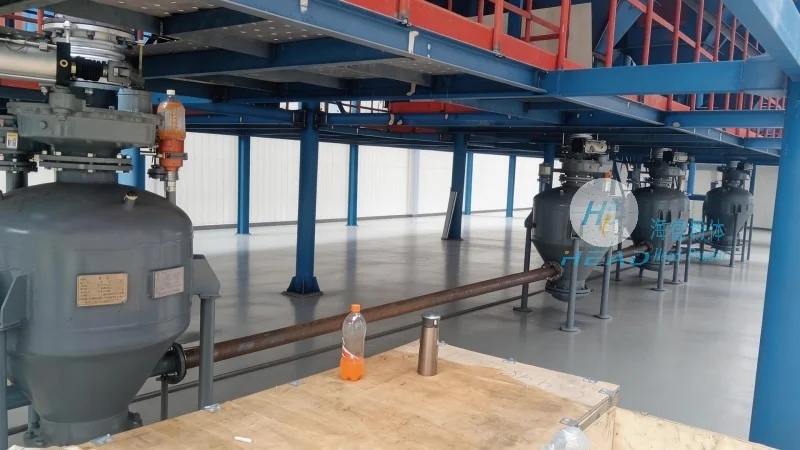
Vacuum systems, on the other hand, create a negative pressure at the discharge end, drawing material from the source into the pipeline. This approach is well-suited for short-distance transport and applications where the material needs to be collected from multiple points. In food additive processing, vacuum systems are commonly employed for transferring materials from hoppers or containers to processing equipment, ensuring a gentle and controlled flow that minimizes product degradation. The system includes a vacuum pump, a material feed inlet, and a discharge outlet, with the vacuum created at the discharge end pulling the material through the pipeline.
Combined systems integrate both pressure and vacuum principles, offering flexibility in handling materials over varying distances and with different flow rates. These systems are particularly useful in complex food processing environments where multiple transfer points and varying material characteristics are present. By combining the benefits of both pressure and vacuum, combined systems can optimize material transport efficiency while maintaining product quality. In the context of food additives, such systems may be used to transport materials from a central storage facility to various processing lines, adapting to the specific needs of each production stage.
The application of pneumatic conveying systems in the food additive industry spans various processes, from raw material handling to final product packaging. These systems play a critical role in ensuring consistent quality and operational efficiency across different stages of production.
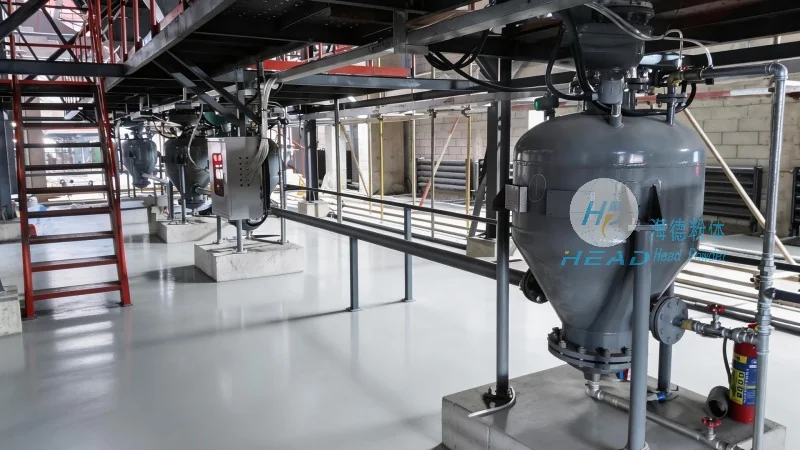
At the initial stage of food additive processing, pneumatic conveying systems are used to transfer raw materials from bulk storage silos or trucks to processing facilities. This step is crucial for maintaining a steady supply of materials while minimizing manual handling and potential contamination. The systems are designed to handle a wide range of materials, including powders, granules, and even liquid additives, adapting to the specific characteristics of each ingredient. For example, in the production of flavor enhancers or colorants, pressure systems are often employed to transport these sensitive materials from storage silos to mixing tanks, ensuring a controlled and hygienic transfer process.
During the processing stage, pneumatic conveying systems facilitate the integration of food additives into base products. This involves transferring additives from storage containers to mixing equipment, where they are combined with other ingredients to achieve the desired formulation. The systems are designed to maintain the integrity of the additives, preventing agglomeration or degradation during transport. In the production of nutritional supplements or functional food ingredients, vacuum systems may be preferred to gently transport fine powders into mixers, ensuring a uniform blend without causing excessive pressure or shear on the materials.
In the final stages of production, pneumatic conveying systems are used to transfer finished food additives from processing lines to packaging equipment. This step requires precision and accuracy to ensure that the correct quantities of additives are used in each batch. The systems are often integrated with automated control systems that monitor flow rates and material levels, providing real-time data for quality control. For example, in the packaging of food colorants or preservatives, pressure systems are used to transfer the additives into packaging containers, ensuring a consistent and efficient filling process. The integration of these systems with packaging machinery enhances overall production efficiency and reduces the risk of human error.

 Shandong Headpowder Engineering Co., Ltd.
 156-6277-7102(Manager Zhang)
  0531-83386006
  Zhangqiu District, Jinan City, Shandong Province, China
telephone
WeChatconsult
top