Types and Features of Polyacrylamide Pneumatic Conveying Systems and Their Applications
Release time:2026-09-14 10:47:36
name of the company:Shandong Headpowder Engineering Co., Ltd.
telephone:156-6277-7102
contacts:Manager Zhang
Understanding the various types, key features, and practical applications of polyacrylamide pneumatic conveying systems is essential for industries seeking efficient material handling solutions. This overview, presented by Shandong HeadPowder Engineering Co., Ltd., based in Shandong, China, explores the nuances of these systems to help professionals make informed decisions.
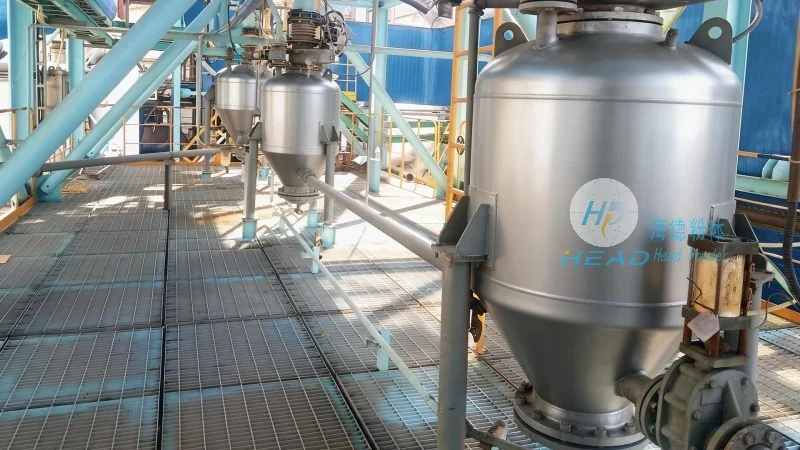
Polyacrylamide Pneumatic Conveying: An Overview
Polyacrylamide, a synthetic polymer widely used in water treatment and industrial processes, can be effectively transported via pneumatic conveying systems. These systems utilize air or gas to move powders and granules, offering advantages such as low maintenance, flexibility, and the ability to handle sensitive materials without contamination. The core of polyacrylamide pneumatic conveying lies in its ability to maintain the integrity of the polymer while ensuring efficient transfer from source to destination.
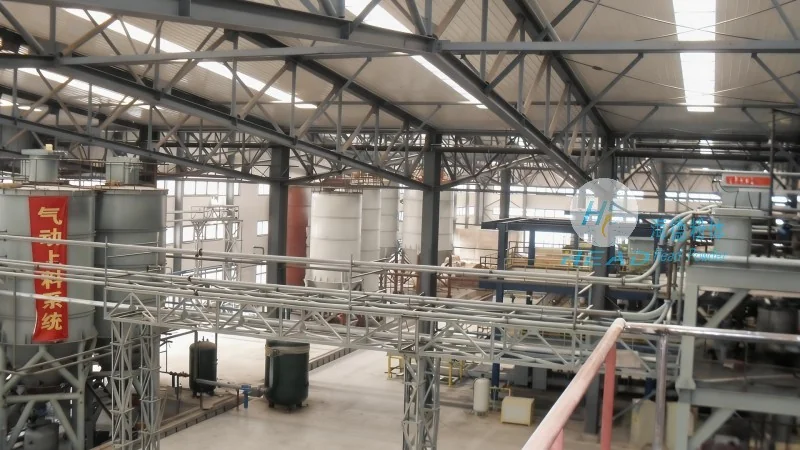
Types of Polyacrylamide Pneumatic Conveying Systems
Several configurations exist for polyacrylamide pneumatic conveying, each tailored to specific operational needs. The primary types include:
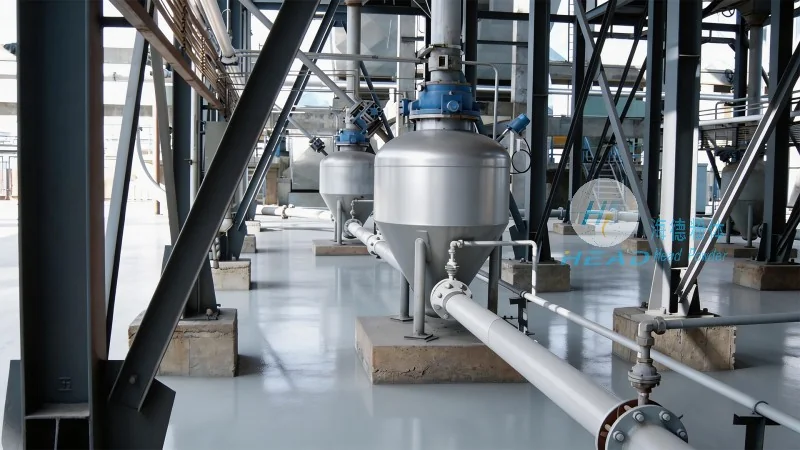
- Positive Pressure Conveying: This system uses compressed air to push material through a pipeline. It is ideal for short to medium distances and is suitable for transporting dry powders like polyacrylamide, which can be sensitive to pressure changes. The positive pressure method ensures consistent flow and reduces the risk of material degradation.
- Negative Pressure (Vacuum) Conveying: In this configuration, a vacuum is created at the receiving end to draw material from the source. This approach is beneficial for applications requiring material to be transferred from multiple points or over longer distances. Negative pressure systems are often used when the material is light or when the process demands a cleaner environment, as they minimize dust dispersion.
- Combined (Bi-Directional) Conveying: This hybrid system integrates both positive and negative pressure capabilities, allowing for flexible material movement in either direction. It is particularly useful in complex industrial setups where material may need to be transferred between multiple locations or returned for reprocessing. The bi-directional design enhances operational efficiency and reduces downtime by enabling reverse flow when necessary.
Key Features of Polyacrylamide Pneumatic Conveying
Effective polyacrylamide pneumatic conveying systems exhibit several critical features that enhance performance and reliability:
- Material Compatibility: The system is designed to handle polyacrylamide without causing degradation or contamination. Specialized materials of construction, such as stainless steel or corrosion-resistant alloys, are used to prevent chemical reactions with the polymer, ensuring the material remains in its intended form.
- Low Maintenance Requirements: Pneumatic conveying systems typically have fewer moving parts compared to mechanical conveying equipment, reducing the need for frequent repairs and maintenance. This results in lower operational costs and increased system uptime.
- Energy Efficiency: By utilizing compressed air or vacuum, these systems can achieve energy-efficient material transfer. The energy consumption is generally lower than that of other conveying methods, making them a cost-effective solution for long-term use.
- Space Efficiency: Pneumatic conveying systems can be installed in confined spaces due to their flexible piping and compact design. This is advantageous in industrial settings where floor space is limited, allowing for efficient use of available area.
Application Scope of Polyacrylamide Pneumatic Conveying
Polyacrylamide pneumatic conveying is widely applied across various industries, primarily in water treatment, mining, and chemical processing. The following are key application areas:
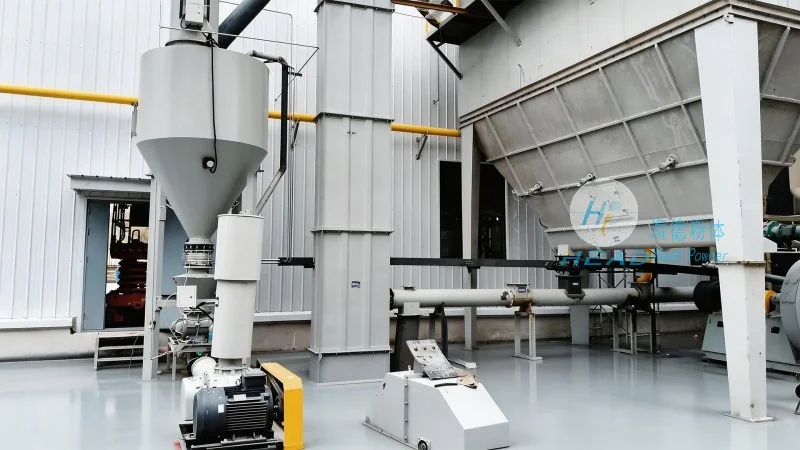
- Water Treatment Plants: In water treatment facilities, polyacrylamide is used as a coagulant and flocculant to remove suspended solids from wastewater. Pneumatic conveying systems efficiently transport the polymer from storage tanks to the treatment reactors, ensuring consistent dosing and optimal performance.
- Mining and Mineral Processing: The mining industry relies on polyacrylamide for slurry thickening and dewatering processes. Pneumatic conveying systems are used to transport the polymer to processing equipment, where it enhances the settling and dewatering of mineral slurries, improving overall recovery rates.
- Chemical Manufacturing: In chemical plants, polyacrylamide is used in various processes, including papermaking and textile treatment. Pneumatic conveying systems ensure the safe and efficient transfer of the polymer, minimizing exposure risks and maintaining product quality.
- Pharmaceutical and Food Industries: Although less common due to strict regulatory requirements, specialized pneumatic conveying systems can be used in the pharmaceutical and food sectors to transport polyacrylamide in controlled environments, ensuring compliance with hygiene and safety standards.
Conclusion
Polyacrylamide pneumatic conveying systems offer a reliable and efficient method for handling this critical polymer. By understanding the different types, key features, and application scope, industries can select the most suitable system to meet their operational needs. Shandong HeadPowder Engineering Co., Ltd., with its expertise in material handling solutions, provides tailored pneumatic conveying systems that enhance productivity and ensure the quality of polyacrylamide in various industrial applications.

 Shandong Headpowder Engineering Co., Ltd.
 156-6277-7102(Manager Zhang)
  0531-83386006
  Zhangqiu District, Jinan City, Shandong Province, China