With more than 10‑year industry experience, Shandong Headpowder delivers full‑service pneumatic‑conveying systems and blowers, undertaking nationwide turn‑key powder‑handling projects.
HeadPowder, a leading engineering firm based in Shandong, China, specializes in the design and implementation of advanced material handling systems. This article provides a detailed comparison of positive pressure and negative pressure pneumatic conveying methods for water glass, a key industrial chemical, highlighting the technical aspects, operational advantages, and practical considerations for each approach.
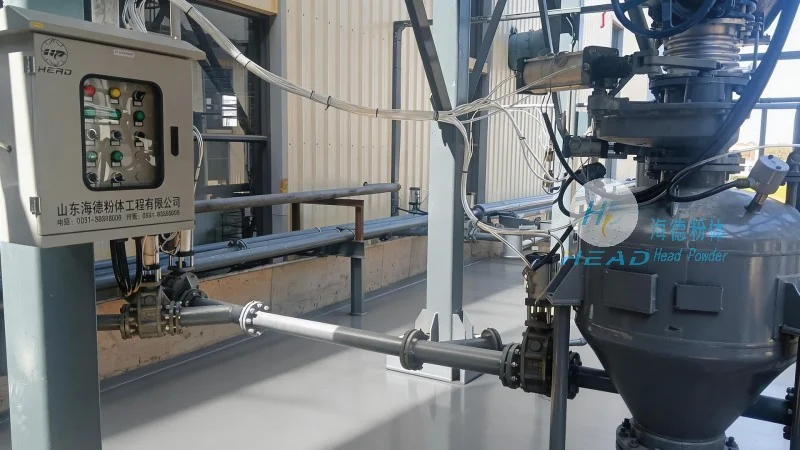
Water glass, also known as sodium silicate, is widely used in various industries including glass manufacturing, water treatment, and chemical production. The efficient and safe transport of this material from storage to processing units is crucial for maintaining production efficiency and minimizing operational risks. Pneumatic conveying offers a non-contact, flexible solution for moving bulk solids like water glass, but the choice between positive and negative pressure systems depends on several factors such as material properties, system layout, and operational requirements.
Positive pressure conveying systems operate by blowing air or a gas mixture into the conveying line, creating a pressure higher than the ambient air pressure. This method is particularly effective for transporting water glass in applications where the material is prone to caking or where the conveying distance is relatively short. The system typically includes a blower, a hopper, and a pipeline network that transports the material under pressure to the destination point. One of the primary advantages of positive pressure systems is their ability to handle abrasive or corrosive materials without causing excessive wear on the equipment. Additionally, they are generally more forgiving when it comes to pipeline blockages, as the pressure can be adjusted to clear obstructions more effectively.
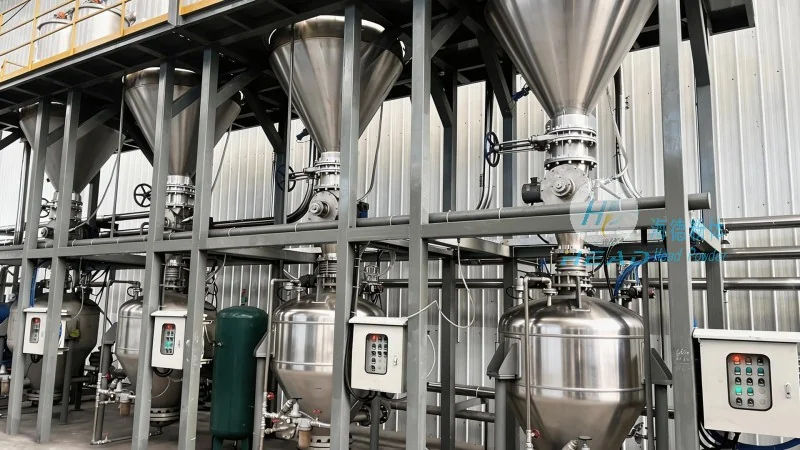
In the context of water glass, positive pressure conveying is often preferred for short to medium-distance transfers, such as moving the material from a silo to a mixing tank within a manufacturing facility. The system's design allows for consistent flow rates and minimal material degradation, ensuring that the water glass retains its intended properties for downstream processes. However, it is important to note that positive pressure systems may require more robust sealing and filtration to prevent dust emissions and maintain air quality standards.
Negative pressure conveying, also known as vacuum conveying, operates by creating a vacuum in the conveying line, drawing material from the source into the system. This method is well-suited for applications where the material needs to be transported over longer distances or where the source is located at a higher elevation than the destination. The system typically consists of a vacuum pump, a hopper, and a pipeline that pulls the material from the source to the receiving point. A key advantage of negative pressure systems is their ability to handle fine powders and prevent material spillage, as the vacuum draws the material into the pipeline without the need for high-pressure air.
For water glass, negative pressure conveying is often used in scenarios where the material is to be transported from a storage silo to a processing unit located at a different floor or building. The system's design minimizes the risk of dust dispersion and is more energy-efficient for long-distance transfers compared to positive pressure systems. However, negative pressure systems may be more susceptible to blockages, especially with cohesive materials like water glass, and require more careful maintenance to prevent pipeline clogs.
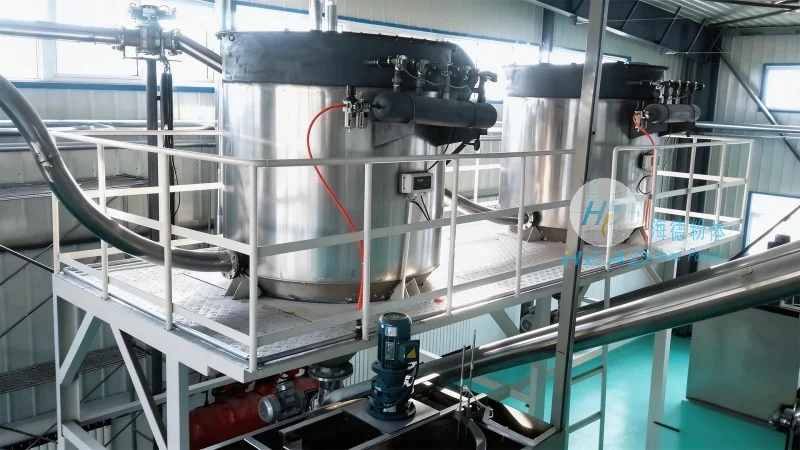
When deciding between positive and negative pressure conveying for water glass, several factors must be evaluated to determine the most suitable system. The first consideration is the distance and layout of the conveying route. Shorter distances and simpler layouts are often better suited for positive pressure systems, while longer distances or complex routes may require negative pressure solutions. Material properties also play a critical role; for example, if the water glass is highly cohesive or prone to bridging, negative pressure systems may offer better flow characteristics due to the gentle suction action.
Energy consumption is another important factor. Positive pressure systems generally consume more energy due to the continuous operation of the blower, whereas negative pressure systems may use less power but require more robust vacuum pumps. Maintenance and operational costs are also considerations; positive pressure systems may have lower maintenance requirements for the vacuum components but higher costs for air filtration and blower replacement. Conversely, negative pressure systems may have higher maintenance needs for the vacuum pump and pipeline seals but lower air-related costs.
Both positive and negative pressure conveying systems offer distinct operational advantages. Positive pressure systems provide reliable, high-flow rates and are easier to start and stop, making them suitable for high-throughput applications. They also offer better control over material flow, allowing for precise dosing and mixing. However, they may generate more dust and require more stringent environmental controls to comply with regulations. Negative pressure systems, on the other hand, are more environmentally friendly as they minimize dust emissions and are quieter in operation. They are also more suitable for handling fine powders and preventing material loss, which is crucial for maintaining product quality.
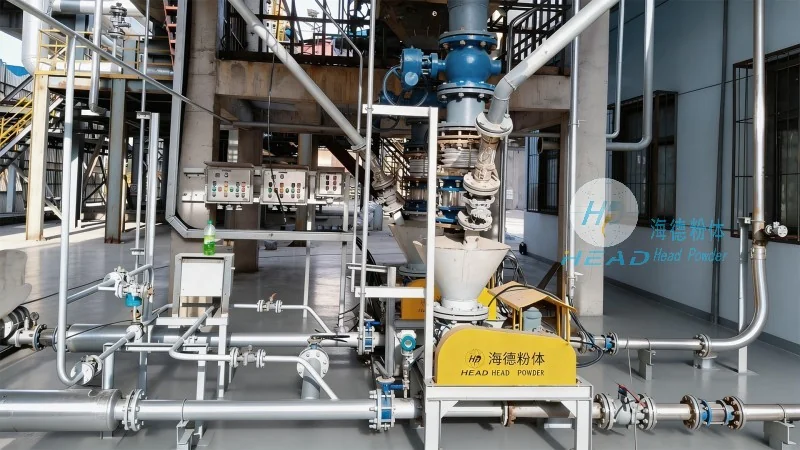
Challenges associated with positive pressure systems include the risk of pressure buildup and potential for material degradation due to high air velocities. Proper design and maintenance are essential to mitigate these risks. Negative pressure systems, while generally more gentle on the material, may face challenges with blockages and require more frequent cleaning of the pipeline and vacuum pump. The choice between the two systems ultimately depends on the specific application requirements, including the material's physical properties, the distance to be covered, and the environmental and operational constraints of the facility.
HeadPowder Engineering, with its expertise in material handling systems, provides comprehensive solutions for both positive and negative pressure conveying of water glass. By carefully evaluating the technical and operational aspects of each system, industrial facilities can select the most appropriate method to ensure efficient, safe, and cost-effective transport of water glass. Whether opting for the robust performance of positive pressure systems or the gentle handling of negative pressure systems, HeadPowder's engineering solutions are designed to meet the unique needs of each application, ensuring optimal performance and reliability in the long term.

 Shandong Headpowder Engineering Co., Ltd.
 156-6277-7102(Manager Zhang)
  0531-83386006
  Zhangqiu District, Jinan City, Shandong Province, China
telephone
WeChatconsult
top