With more than 10‑year industry experience, Shandong Headpowder delivers full‑service pneumatic‑conveying systems and blowers, undertaking nationwide turn‑key powder‑handling projects.
Alumina particles, widely used in various industrial applications such as ceramics, refractories, and chemical processes, require efficient and reliable material handling solutions. Pneumatic conveying technology offers a viable method for transporting these particles over short to medium distances. This article provides an in-depth analysis of the two primary pneumatic conveying modes—positive pressure and negative pressure systems—focusing on their applications, advantages, and considerations for alumina particle transport.
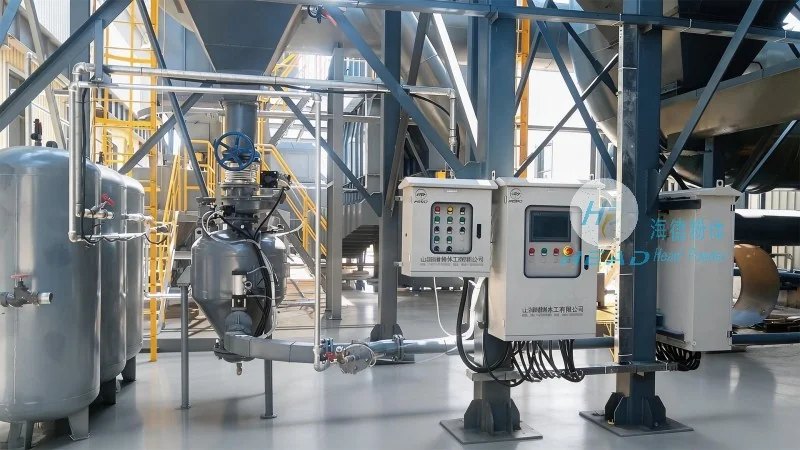
Pneumatic conveying systems utilize air or gas to move bulk materials through a pipeline. The two main modes are positive pressure and negative pressure systems, each with distinct operational principles and suitability for different material characteristics and process requirements.
Positive pressure systems operate by blowing air or gas into the conveying line, creating a pressure higher than the ambient air pressure. This mode is particularly effective for transporting alumina particles due to its ability to handle abrasive and abrasive materials. The positive pressure ensures that the material is continuously pushed through the pipeline, reducing the risk of blockages and ensuring consistent flow rates. HeadPowder, a leading provider of material handling solutions, specializes in designing and manufacturing positive pressure conveying systems tailored to the unique needs of alumina processing industries.
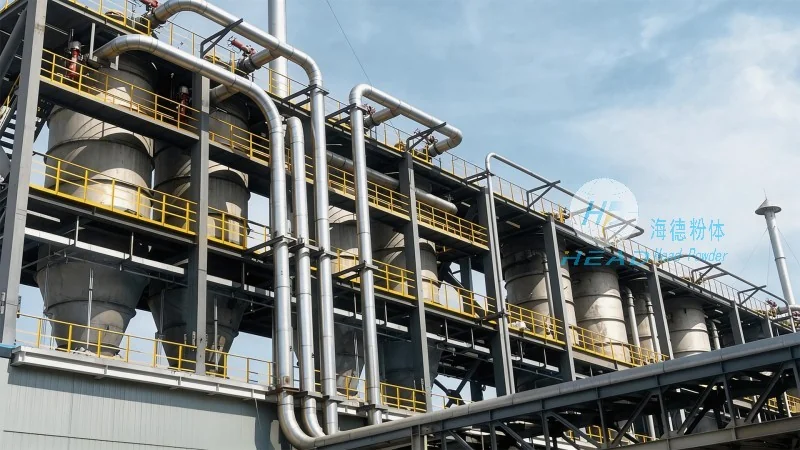
One of the key advantages of positive pressure systems is their ability to handle high material loads and abrasive particles without significant wear on the system components. This is crucial for alumina, which can be highly abrasive and cause wear on conventional conveying equipment. Additionally, positive pressure systems are generally more energy-efficient for long-distance transport, as they can maintain consistent pressure and flow rates over extended pipelines. The robust design of these systems also allows for easy integration with existing industrial processes, minimizing downtime and operational disruptions.
Negative pressure systems, also known as vacuum or suction systems, operate by creating a vacuum in the conveying line, drawing material from the source into the pipeline. This mode is often preferred for short-distance transport or when the material source is located at a higher elevation than the destination. For alumina particles, negative pressure systems are suitable for applications where the material is to be collected from a hopper or silo and transported to a processing unit. The vacuum created in the system ensures that the particles are drawn into the pipeline without the need for external pressure, making it a cost-effective solution for certain applications.
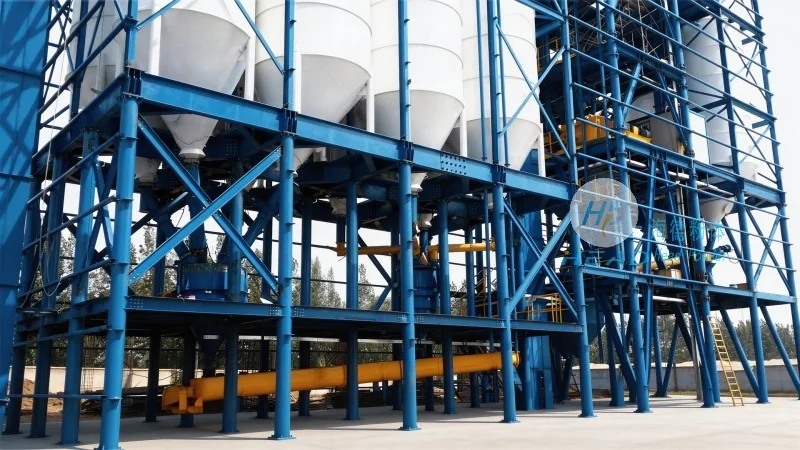
One of the primary benefits of negative pressure systems is their lower initial cost compared to positive pressure systems. The simpler design and reduced need for high-pressure air compressors make them an attractive option for smaller-scale alumina transport operations. Additionally, negative pressure systems are less likely to cause dust emissions during operation, as the material is drawn into the pipeline rather than being expelled. This can be advantageous in environments where dust control is a critical concern. However, negative pressure systems may be less efficient for transporting abrasive materials over long distances, as the vacuum can cause increased wear on the pipeline and components.
When comparing positive and negative pressure pneumatic conveying systems for alumina particles, several factors must be considered. The choice between the two modes depends on the specific application requirements, including the distance between the source and destination, the material characteristics (such as particle size, density, and abrasiveness), and the operational constraints of the facility. Positive pressure systems are generally more suitable for long-distance transport and high material loads, while negative pressure systems are better suited for short-distance transport and applications where dust control is a priority.
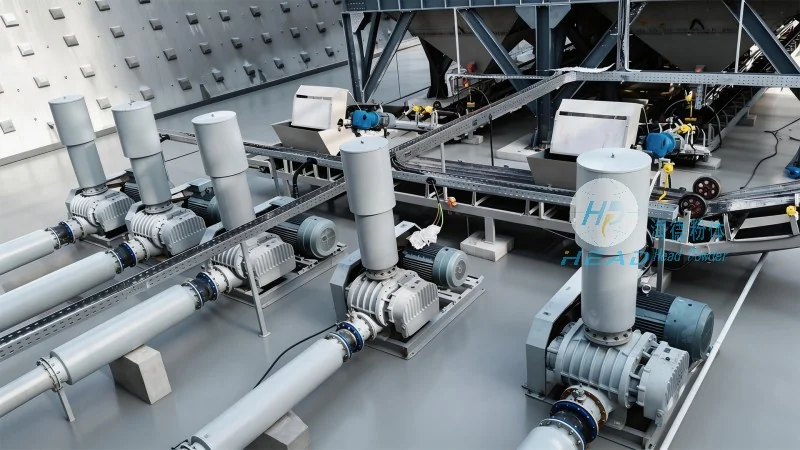
When implementing a pneumatic conveying system for alumina particles, several key considerations must be addressed to ensure optimal performance and longevity. First, the material characteristics of alumina, such as its high abrasiveness and tendency to form agglomerates, must be taken into account. The system design should include components that can withstand these conditions, such as wear-resistant pipelines and high-quality valves. Second, the system's capacity and flow rate must be matched to the production requirements of the alumina processing facility. This ensures that the conveying system can handle the required material volume without causing bottlenecks or inefficiencies. Third, the integration of the system with existing equipment, such as hoppers and processing units, must be carefully planned to minimize downtime and ensure smooth operation.
Pneumatic conveying technology offers an effective solution for transporting alumina particles in industrial applications. The choice between positive and negative pressure systems depends on the specific requirements of the process, including distance, material characteristics, and operational constraints. Positive pressure systems provide robust and efficient transport for high material loads and abrasive particles, while negative pressure systems offer a cost-effective solution for short-distance transport and applications where dust control is critical. By understanding the advantages and limitations of each mode, industrial facilities can select the most appropriate pneumatic conveying system to meet their material handling needs. HeadPowder, with its expertise in material handling solutions, continues to provide innovative and reliable pneumatic conveying systems for the alumina industry, ensuring efficient and safe material transport in various industrial processes.

 Shandong Headpowder Engineering Co., Ltd.
 156-6277-7102(Manager Zhang)
  0531-83386006
  Zhangqiu District, Jinan City, Shandong Province, China
telephone
WeChatconsult
top