

Pneumatic Conveying Technology for Pearlescent Sand Powders: A Comparison of Positive and Negative P
For industries dealing with pearlescent sand powders, selecting the right pneumatic conveying system is crucial for efficient material handling. Pneumatic conveying, which uses air or gas to transport solid particles, offers a flexible and often cost-effective solution compared to traditional methods like belt conveyors or bucket elevators. This article provides an in-depth analysis of two primary pneumatic conveying modes—positive pressure and negative pressure systems—specifically tailored for the unique properties of pearlescent sand powders. We will explore the technical differences, operational advantages, and practical considerations for each mode, helping you make an informed decision for your application.
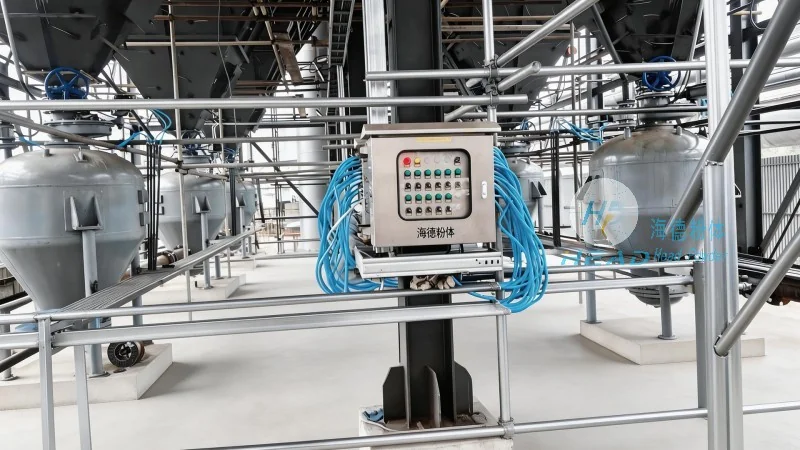
Understanding the Core Concepts of Pneumatic Conveying
Pneumatic conveying systems operate by transporting bulk materials through a pipeline using air flow. The two main categories are positive pressure (or pressure) systems and negative pressure (or vacuum) systems. Positive pressure systems force air and material through the pipeline, while negative pressure systems draw material into the system using a vacuum. Both modes have distinct characteristics that make them suitable for different material types and process requirements. For pearlescent sand powders, which often have fine particle sizes and can be sensitive to moisture or contamination, the choice of system can significantly impact performance and product quality.
Positive Pressure Pneumatic Conveying: Advantages and Applications
Positive pressure systems are characterized by their ability to deliver material at high pressures, typically ranging from 0.5 to 2 bar. In this mode, a blower or compressor generates pressurized air that pushes the material through the pipeline. The primary advantages of positive pressure systems include high conveying capacity, consistent flow rates, and the ability to handle abrasive or corrosive materials without damage to the system components. For pearlescent sand powders, positive pressure systems are particularly effective when dealing with large quantities of material or when the material needs to be transported over long distances. The high pressure ensures that the particles remain suspended and transported efficiently, minimizing the risk of blockages or clogging in the pipeline.
One key benefit of positive pressure systems is their ability to handle materials with high moisture content or those that are prone to agglomerating. The pressurized air helps to break up clumps and keep the particles in a free-flowing state, which is essential for maintaining the quality of pearlescent sand powders. Additionally, positive pressure systems are generally more resistant to external air infiltration, which is important for preventing contamination from dust or other environmental factors. This makes them suitable for applications where product purity is critical, such as in the cosmetics or paint industries where pearlescent sand powders are commonly used.
Negative Pressure Pneumatic Conveying: Operational Principles and Benefits
Negative pressure systems, also known as vacuum systems, operate by creating a vacuum in the pipeline, which draws material from the source into the system. The vacuum is typically generated by a fan or ejector, and the material is then transported through the pipeline to the discharge point. Unlike positive pressure systems, negative pressure systems do not use high-pressure air to push the material, but rather rely on the differential pressure between the source and the system to move the particles.
For pearlescent sand powders, negative pressure systems offer several advantages, particularly in applications where the material needs to be collected from multiple points or where the source is at a higher elevation than the discharge point. The vacuum created by the system allows for gentle handling of the material, which is important for preserving the delicate properties of pearlescent sand powders. The low pressure environment also reduces the risk of particle degradation or breakage, which can occur with high-pressure systems. Additionally, negative pressure systems are often more energy-efficient for short-distance conveying, as they require less power to maintain the vacuum compared to the continuous operation of a high-pressure blower.
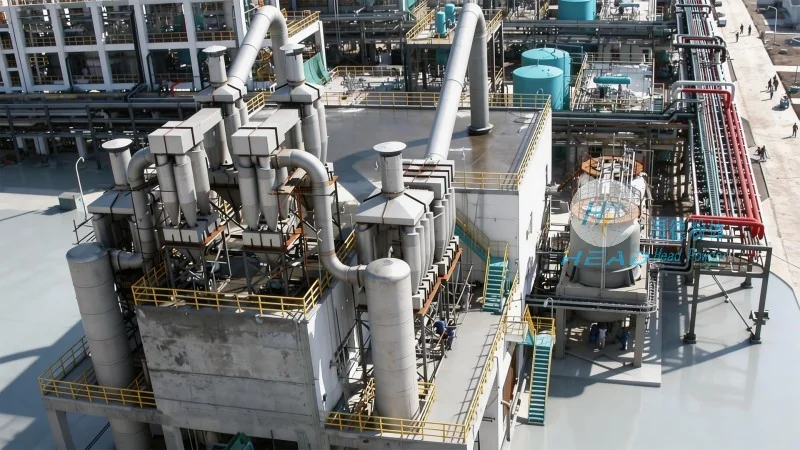
However, negative pressure systems have limitations that must be considered when dealing with pearlescent sand powders. The most significant drawback is the potential for dust and air leakage, which can lead to contamination of the material or the surrounding environment. This is especially problematic for materials that are sensitive to moisture or other contaminants. To mitigate this risk, negative pressure systems often require additional filtration and sealing components, which can increase the overall cost and complexity of the system. Another limitation is the lower conveying capacity compared to positive pressure systems, which may make them less suitable for high-volume applications.
Comparative Analysis: Positive vs. Negative Pressure for Pearlescent Sand Powders
When choosing between positive and negative pressure pneumatic conveying systems for pearlescent sand powders, several factors must be considered, including material properties, conveying distance, capacity requirements, and environmental constraints. The following table provides a side-by-side comparison of the key characteristics of each mode:
| Feature | Positive Pressure | Negative Pressure |
| Conveying Principle | Pressurized air pushes material | Vacuum draws material |
| Typical Pressure | 0.5 - 2 bar | -0.5 to -1 bar |
| Conveying Capacity | High (up to several tons per hour) | Lower (up to several hundred kg per hour) |
| Distance Capability | Long (up to several hundred meters) | Short to medium (up to several tens of meters) |
| Material Handling | Effective for abrasive or clumping materials | Gentle handling for delicate materials |
| Energy Efficiency | Higher for long distances | Lower for long distances |
| Contamination Risk | Lower (better sealing) | Higher (air leakage) |
Based on this comparison, positive pressure systems are generally preferred for high-volume, long-distance conveying of pearlescent sand powders, especially when the material is abrasive or prone to clumping. Negative pressure systems are more suitable for applications requiring gentle handling, short distances, or where the source is at a higher elevation. The choice ultimately depends on the specific requirements of the process and the characteristics of the pearlescent sand powders being handled.
Key Considerations for Implementing Pneumatic Conveying Systems
Regardless of the chosen mode—positive or negative pressure—there are several critical considerations to ensure optimal performance and longevity of the system. First, the material properties of the pearlescent sand powders must be thoroughly evaluated. This includes particle size distribution, moisture content, and flowability. Fine particles, for example, may require special design considerations to prevent clogging in the pipeline or at the discharge point. Additionally, the system must be designed to handle the abrasive nature of the material, as pearlescent sand powders can cause wear on components like pipes, valves, and blower housings.
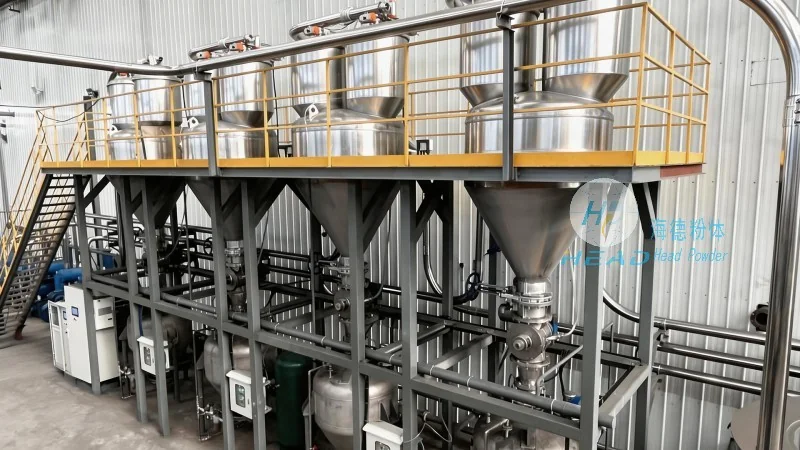
Second, the system layout and pipeline design are crucial. The pipeline should be sized appropriately to accommodate the material flow rate and avoid excessive pressure drops, which can lead to reduced conveying efficiency. For positive pressure systems, the pipeline should be sealed to prevent air leakage, while for negative pressure systems, proper filtration and sealing are essential to maintain the vacuum and prevent contamination. The discharge point should also be designed to minimize dust emissions and ensure smooth material transfer to the next process step.
Third, the selection of the blower or fan is critical. Positive pressure systems typically use centrifugal blowers, which can handle high pressures and large volumes of air. Negative pressure systems may use axial fans or ejectors, which are more suitable for creating a vacuum. The power rating of the equipment should be matched to the conveying requirements to ensure efficient operation and minimize energy consumption.
Fourth, maintenance and operational considerations must be addressed. Regular maintenance, such as cleaning filters, checking for leaks, and inspecting wear components, is essential to prevent system failures and maintain performance. Operational parameters, such as air pressure and flow rate, should be monitored and adjusted as needed to optimize the conveying process. For pearlescent sand powders, which may be sensitive to moisture or contamination, proper sealing and filtration are critical to maintain product quality.
Conclusion: Choosing the Right Pneumatic Conveying Solution
For industries dealing with pearlescent sand powders, the choice between positive and negative pressure pneumatic conveying systems is a critical decision that impacts operational efficiency, product quality, and overall cost. Positive pressure systems offer high capacity, long-distance conveying, and effective handling of abrasive or clumping materials, making them suitable for large-scale applications. Negative pressure systems, on the other hand, provide gentle handling and are ideal for short-distance or elevated source applications, but may have lower capacity and higher contamination risks.
By carefully evaluating the material properties, conveying requirements, and operational constraints, you can select the most appropriate pneumatic conveying system for your pearlescent sand powder application. Whether you choose a positive or negative pressure system, proper design, installation, and maintenance are essential to ensure optimal performance and longevity. As a leading provider of pneumatic conveying solutions, Shandong HeadPowder Engineering Co., Ltd. specializes in customizing systems to meet the unique needs of your process, ensuring efficient and reliable material handling for your pearlescent sand powders.