

Coal and Limestone Powder Pneumatic Conveying Technology Analysis: Positive Pressure vs. Negative Pr
For industries dealing with bulk materials like coal and limestone powder, efficient and reliable material transport is crucial. Pneumatic conveying systems offer a solution by using air to move powders through pipelines. This article provides an in-depth analysis of two primary pneumatic conveying modes—positive pressure and negative pressure systems—focusing on their applications, advantages, and considerations for handling coal and limestone powders. The comparison aims to help professionals in the field make informed decisions when selecting the most suitable conveying technology for their operations.
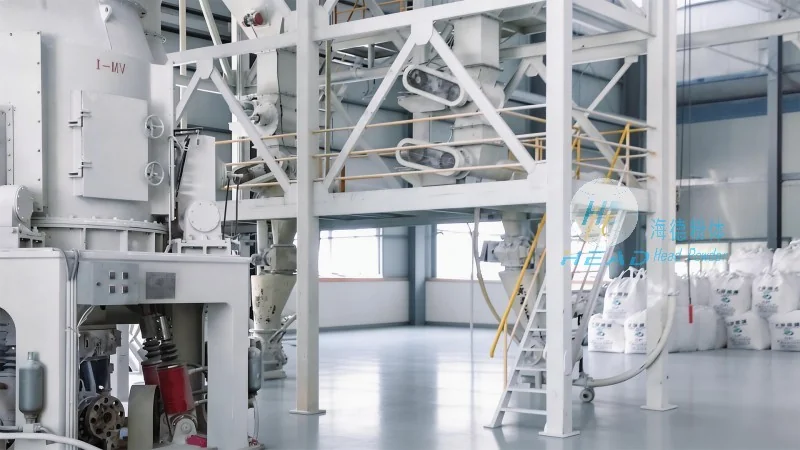
Positive Pressure Pneumatic Conveying Systems
Positive pressure systems operate by blowing air into the conveying line, creating a pressure higher than the ambient air pressure. This method is particularly effective for transporting coal and limestone powders over long distances or through complex networked pipelines. The primary advantage of positive pressure systems is their ability to handle high material loads and maintain consistent flow rates, even when dealing with abrasive or sticky powders. These systems typically use high-pressure blowers or compressors to generate the necessary air pressure, ensuring that the material is continuously pushed through the pipeline. For coal and limestone applications, positive pressure systems are often preferred when the material needs to be transported from a central storage to multiple destinations, as they can distribute the material efficiently across a network of branches.
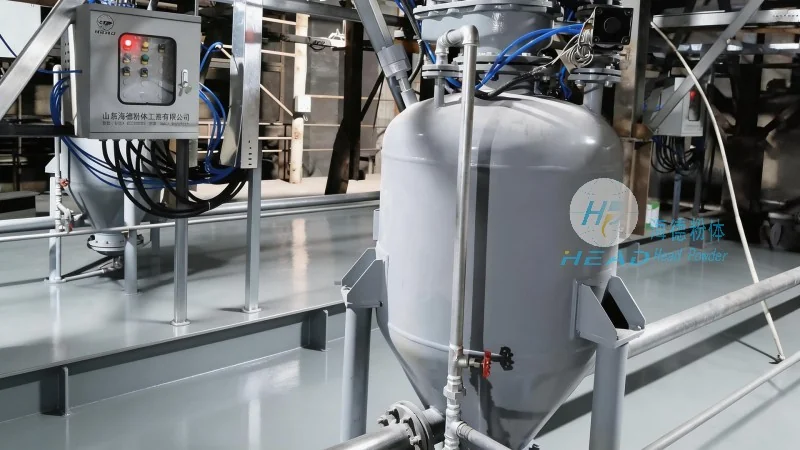
Negative Pressure Pneumatic Conveying Systems
Negative pressure systems, also known as suction or vacuum systems, work by creating a vacuum in the conveying line, drawing the material into the pipeline using the pressure difference between the material and the ambient air. This mode is well-suited for applications where the material is to be collected from multiple points and transported to a central processing unit. The key benefits of negative pressure systems include lower energy consumption compared to positive pressure systems, as they rely on the natural flow of air rather than high-pressure blowers. Additionally, negative pressure systems are less likely to cause dust emissions at the inlet, making them a good choice for handling coal and limestone powders that may generate fine particles. However, these systems may have limitations in terms of the maximum distance or material load they can handle, as the vacuum strength diminishes over longer distances or with larger particle sizes.
Comparison and Selection Criteria for Coal and Limestone Powder Conveying
When choosing between positive and negative pressure pneumatic conveying systems for coal and limestone powders, several factors need to be considered. The first is the distance and layout of the conveying network. Positive pressure systems are generally more suitable for long-distance or complex pipeline layouts, as they can maintain consistent pressure and flow. Negative pressure systems, on the other hand, are better for shorter distances or when the material is collected from multiple points. Another critical factor is the material properties, such as particle size, moisture content, and abrasiveness. Coal and limestone powders can vary significantly in these aspects, and the system must be designed to handle the specific characteristics of the material. For example, abrasive powders may require more robust pipeline materials and components in positive pressure systems to prevent wear and tear. Energy consumption is also a key consideration, as negative pressure systems typically use less energy than positive pressure systems. However, the initial investment for positive pressure systems may be higher due to the need for high-pressure blowers and more durable components. Ultimately, the selection depends on the specific operational requirements, budget constraints, and the nature of the material being transported.
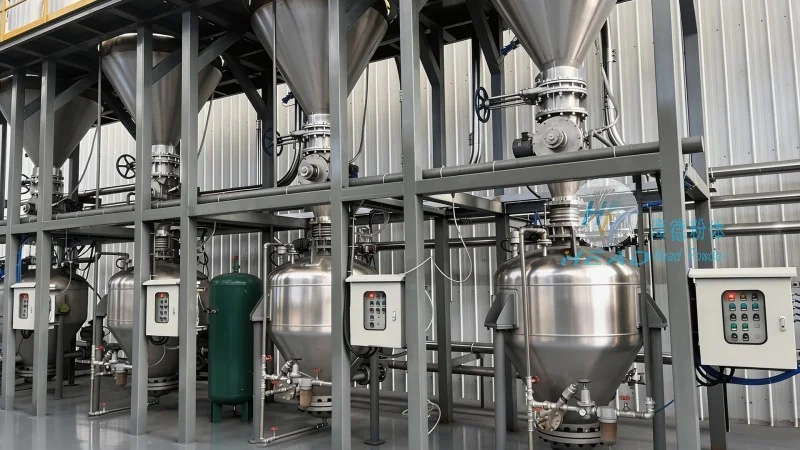
About Shandong HeadPowder Engineering Co., Ltd.
Shandong HeadPowder Engineering Co., Ltd., operating under the brand name headpowder, is a leading provider of pneumatic conveying solutions tailored for bulk material handling. With a focus on coal and limestone powder applications, the company specializes in designing and manufacturing customized positive and negative pressure pneumatic conveying systems. The company’s engineering team leverages advanced technology and industry expertise to develop solutions that meet the unique needs of clients, ensuring efficient, reliable, and cost-effective material transport. Headpowder’s commitment to quality and innovation has made it a trusted partner for industries seeking to optimize their material handling processes. Based in Shandong, China, the company serves clients both domestically and internationally, delivering solutions that enhance operational efficiency and reduce downtime in bulk material operations.