With more than 10‑year industry experience, Shandong Headpowder delivers full‑service pneumatic‑conveying systems and blowers, undertaking nationwide turn‑key powder‑handling projects.
Fertilizer pneumatic conveying technology is a critical component in modern agricultural and industrial operations, enabling the efficient transport of bulk materials such as granular fertilizers over long distances. Two primary modes dominate this field: positive pressure and negative pressure systems. Understanding the distinctions, advantages, and applications of each is essential for selecting the most suitable solution for specific operational needs. This article provides a detailed comparison of positive and negative pressure pneumatic conveying systems, focusing on their technical principles, operational characteristics, and practical implications for fertilizer handling.
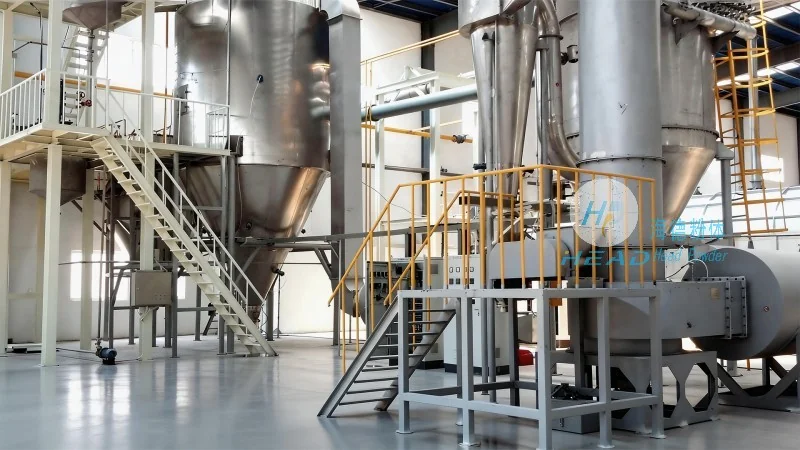
Positive pressure systems operate by blowing air or a gas mixture into the conveying line, creating a pressure higher than the ambient environment. This method is widely used in fertilizer transport due to its ability to handle a variety of materials, including fine powders and granules. The system typically consists of a blower, a hopper for material storage, a conveyor line, and a discharge point. As air is forced through the line, it pulls the fertilizer particles along, ensuring consistent and reliable transport. A key advantage of positive pressure systems is their capability to handle abrasive materials without significant wear on components, as the high-pressure air provides sufficient force to move the material. Additionally, these systems can operate over longer distances and with multiple transfer points, making them ideal for large-scale fertilizer distribution networks. However, they may require more maintenance due to the higher pressure and the need for robust sealing to prevent air leakage, which can affect efficiency and energy consumption.
Negative pressure systems, also known as vacuum systems, work by creating a vacuum inside the conveying line, drawing material from the source into the system. This approach is particularly effective for handling dusty or fine materials that might be prone to dispersion if exposed to high pressure. The system includes a vacuum pump, a hopper, a collection point, and a discharge mechanism. The vacuum pulls the fertilizer particles into the line, where they are transported to the destination. One of the main benefits of negative pressure systems is their lower risk of material spillage or contamination, as the sealed system prevents dust from escaping into the environment. This makes them suitable for applications where environmental compliance is a priority. Furthermore, negative pressure systems are generally quieter and require less space for installation compared to positive pressure systems. Nevertheless, they may have limitations in terms of the distance they can effectively convey materials, as the vacuum strength diminishes over longer distances, potentially reducing material flow rates.
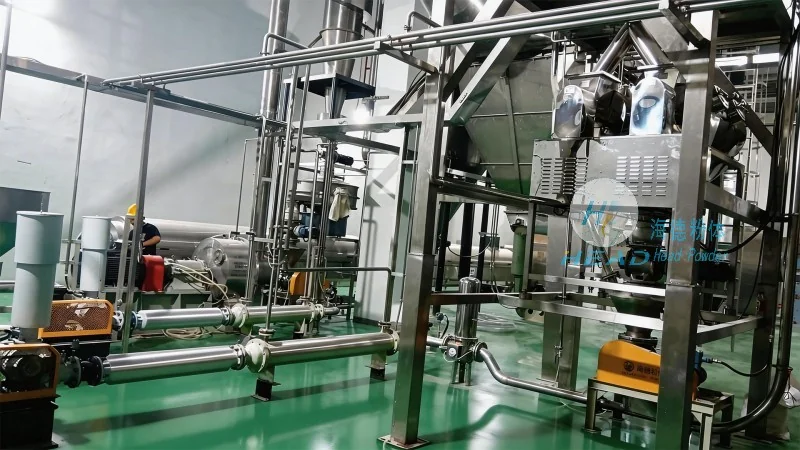
When comparing positive and negative pressure pneumatic conveying systems, several factors differentiate their performance. Positive pressure systems typically offer higher conveying capacities and can handle larger particles or bulkier materials, making them suitable for high-volume fertilizer transport. They also tend to have lower initial costs due to simpler design and fewer components. In contrast, negative pressure systems excel in handling fine powders and require less maintenance for sealing components, as they operate under lower pressures. However, their efficiency decreases with distance, and they may not be as effective for abrasive materials that could cause wear on the vacuum pump and line. Energy consumption is another critical aspect: positive pressure systems generally consume more energy due to the high-pressure air, while negative pressure systems use less power but may require more frequent filter changes to maintain suction efficiency.
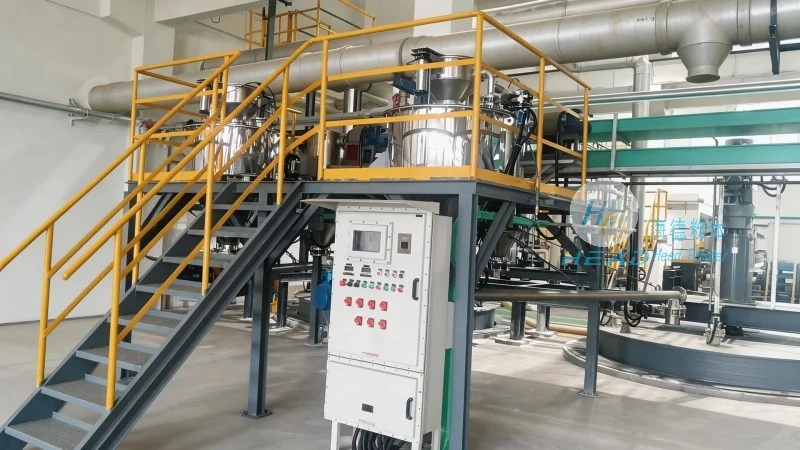
The choice between positive and negative pressure systems depends on the specific characteristics of the fertilizer being transported, the distance to be covered, and the operational environment. For instance, in large-scale agricultural facilities where fertilizer is distributed over several kilometers, a positive pressure system may be more appropriate due to its ability to maintain consistent flow rates over long distances. Conversely, in smaller-scale operations or in environments where dust control is paramount, a negative pressure system could be preferred. The material's moisture content and particle size also play a role; fine, dry fertilizers may be better suited to negative pressure systems to prevent clogging, while coarser granules might benefit from the higher pressure of positive systems. Additionally, the presence of multiple transfer points or the need to integrate with existing infrastructure can influence the selection, as positive pressure systems can more easily accommodate branching lines and complex layouts.
Both positive and negative pressure pneumatic conveying systems offer viable solutions for fertilizer transport, each with distinct advantages and limitations. Positive pressure systems are generally more versatile and suitable for high-volume, long-distance applications, while negative pressure systems excel in dust control and handling fine materials. For optimal performance, it is crucial to evaluate the specific operational requirements, including material properties, distance, and environmental regulations. Companies like Shandong HeadPowder Engineering Co., Ltd., with expertise in designing and implementing these systems, can provide tailored solutions that address the unique needs of fertilizer handling operations. By understanding the technical differences and performance metrics, stakeholders can make informed decisions to enhance efficiency, reduce costs, and ensure compliance in fertilizer transportation processes.

 Shandong Headpowder Engineering Co., Ltd.
 156-6277-7102(Manager Zhang)
  0531-83386006
  Zhangqiu District, Jinan City, Shandong Province, China
telephone
WeChatconsult
top