With more than 10‑year industry experience, Shandong Headpowder delivers full‑service pneumatic‑conveying systems and blowers, undertaking nationwide turn‑key powder‑handling projects.
HeadPowder, a leading engineering firm based in Shandong, China, specializes in advanced pneumatic conveying solutions for bulk materials. This article provides a detailed analysis of the two primary modes of pneumatic conveying—positive pressure and negative pressure systems—exploring their operational principles, advantages, and applications in industrial settings.
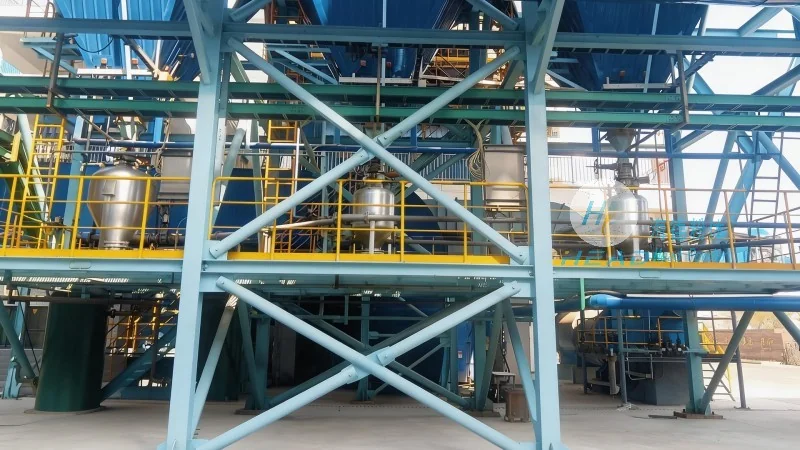
Positive pressure pneumatic conveying systems operate by blowing air or gas into the material to be transported, creating a pressure differential that propels the material through the pipeline. This method is particularly effective for transporting dry, free-flowing powders and granules over long distances. The system typically includes a blower, a hopper for material storage, and a pipeline network that ensures consistent material flow. One of the key advantages of positive pressure systems is their ability to handle abrasive materials without significant wear on the equipment, as the material is propelled by the air rather than being dragged through the pipe. Additionally, these systems can transport materials from multiple sources to a single destination, making them ideal for complex industrial processes. However, they require careful maintenance of the blower and pipeline to prevent air leaks, which can affect efficiency and material transport quality.
Positive pressure pneumatic conveying is widely used in industries such as cement, food processing, and chemical manufacturing. For instance, in cement plants, these systems efficiently transport raw materials and finished products, reducing the need for manual handling and enhancing safety. In food processing, positive pressure systems ensure that powders like flour and sugar are transported hygienically, maintaining product quality and compliance with food safety regulations. The ability to handle high volumes of material at once makes positive pressure systems a preferred choice for large-scale operations, where throughput is a critical factor.
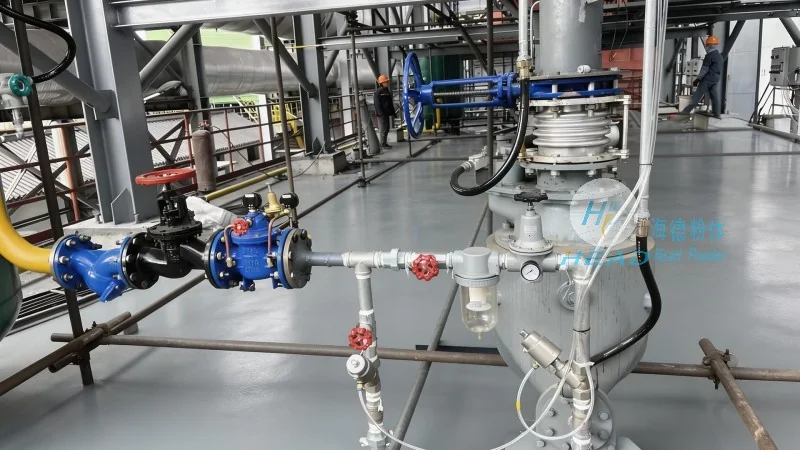
Negative pressure pneumatic conveying, also known as suction or vacuum systems, operates by creating a vacuum in the pipeline to draw material from a source into the system. Unlike positive pressure systems, negative pressure systems use a vacuum pump to create the pressure differential, pulling the material through the pipeline. This method is often preferred for applications involving dusty or hazardous materials, as the system can be sealed to prevent contamination and exposure to the environment. Negative pressure systems are particularly effective for short to medium-distance transport of fine powders and granules, where the material is less likely to settle or clog the pipeline. The key advantage of negative pressure systems is their ability to handle materials that are prone to reactivity or contamination, as the sealed pipeline prevents cross-contamination and maintains material integrity. However, these systems may require more frequent maintenance of the vacuum pump and filter system to ensure consistent performance and prevent material buildup.
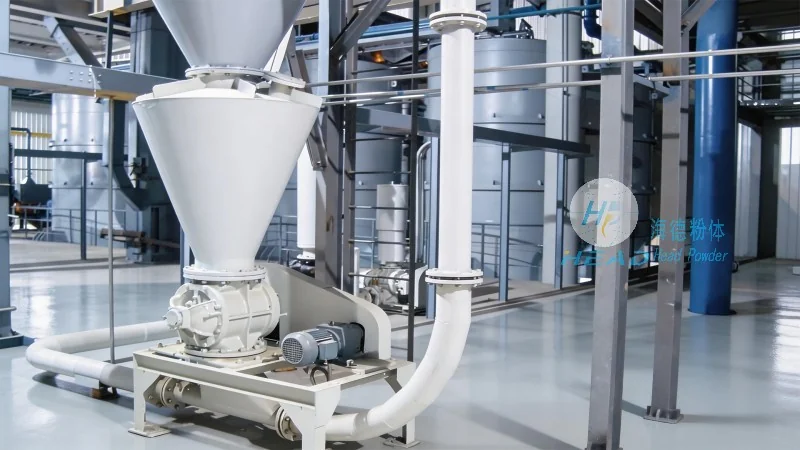
Negative pressure pneumatic conveying is commonly used in industries like pharmaceuticals, where material purity is paramount, and in applications involving toxic or hazardous powders. For example, in pharmaceutical manufacturing, negative pressure systems ensure that active ingredients are transported in a sterile environment, minimizing the risk of contamination. In the chemical industry, these systems are used to transport powders that are sensitive to moisture or air, such as certain catalysts or reagents. While negative pressure systems excel in maintaining material purity and handling hazardous materials, they have limitations in terms of distance and material type. The vacuum created by the system can be insufficient for long-distance transport of heavy or abrasive materials, as the material may not maintain sufficient velocity to overcome friction and gravity. Additionally, the system may be prone to clogging if the material is too fine or has high moisture content, requiring regular cleaning and maintenance.
When selecting a pneumatic conveying system for bulk material transport, it is essential to consider the specific requirements of the application, including material type, distance, and operational environment. Positive pressure systems are generally more suitable for long-distance transport of dry, free-flowing materials, while negative pressure systems are better suited for short to medium distances and materials that require high purity or are hazardous. The choice between the two modes also depends on factors such as maintenance costs, energy efficiency, and the need for material containment. Positive pressure systems typically require higher energy input due to the blower, but they offer greater flexibility in terms of material handling and distance. Negative pressure systems, on the other hand, are more energy-efficient for short distances but may require more frequent maintenance of the vacuum pump and filter system. HeadPowder, with its expertise in engineering and material handling, can provide tailored solutions that optimize the performance of both positive and negative pressure systems, ensuring efficient and reliable transport of bulk materials for various industrial applications.

 Shandong Headpowder Engineering Co., Ltd.
 156-6277-7102(Manager Zhang)
  0531-83386006
  Zhangqiu District, Jinan City, Shandong Province, China
telephone
WeChatconsult
top