

Analysis of Bone Powder Pneumatic Conveying Technology: Comparison of Positive and Negative Pressure
For industries dealing with bone powder, efficient and reliable material handling is crucial. Pneumatic conveying systems offer a solution to transport bone powder from one location to another without the need for mechanical components like belts or buckets. This article provides an in-depth analysis of pneumatic conveying technology for bone powder, focusing on the comparison between positive and negative pressure modes. We will explore the principles, advantages, and applications of each system, helping you make an informed decision for your specific bone powder handling needs.
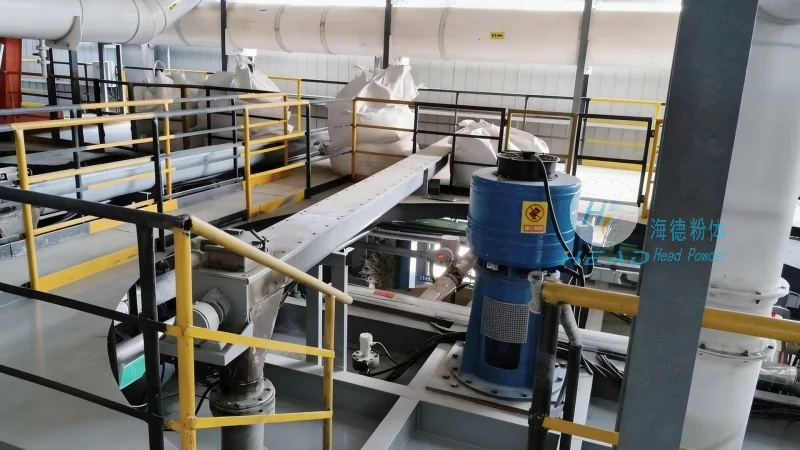
Introduction to Pneumatic Conveying for Bone Powder
Bone powder, derived from animal bones through processing, is a fine, abrasive material commonly used in various industries such as animal feed, pharmaceuticals, and cosmetics. Handling this material requires specialized equipment to prevent clogging, degradation, and contamination. Pneumatic conveying systems use air or gas to transport the powder, offering a clean and efficient method compared to traditional bulk handling techniques. The choice of system—positive or negative pressure—depends on factors like material characteristics, distance, and operational requirements.
Positive Pressure Pneumatic Conveying Systems
Positive pressure systems operate by blowing air or gas into a pipeline, creating a pressure higher than the ambient air. The material is drawn into the system by the pressure differential and transported to the destination. These systems are often preferred for long-distance or high-volume applications due to their ability to maintain consistent flow rates and handle abrasive materials effectively. The equipment typically includes a blower, a hopper, and a pipeline network. The positive pressure mode ensures that the material is continuously pushed through the system, reducing the risk of blockages caused by static electricity or material buildup. This makes it suitable for applications where the bone powder needs to be transported over significant distances or through complex piping networks.
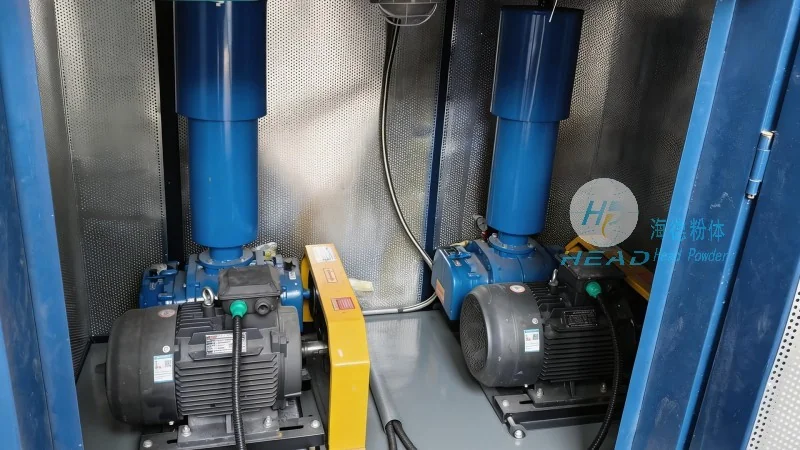
Negative Pressure Pneumatic Conveying Systems
Negative pressure systems, also known as vacuum or suction systems, operate by creating a vacuum in the pipeline, drawing the material into the system. The air and material are then transported to a collection point where the material is separated from the air. These systems are generally more suitable for shorter distances or when the material needs to be collected from multiple points. The negative pressure mode is effective for handling fine powders that are prone to dusting or when the material is to be transported from a low-level source to a higher destination. The system typically includes a vacuum pump, a collection hopper, and a filtration unit to remove the powder from the air stream. Unlike positive pressure systems, negative pressure systems are less likely to cause material degradation due to the lower air velocities involved.
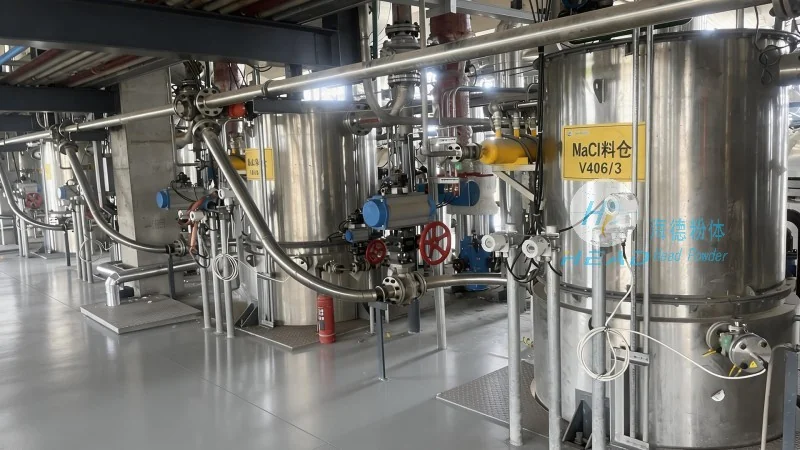
Comparative Analysis of Positive vs. Negative Pressure Modes
When comparing positive and negative pressure pneumatic conveying systems for bone powder, several factors come into play. Positive pressure systems are generally more powerful and can handle higher material loads, making them ideal for long-distance or high-volume applications. They are also better at preventing material buildup and clogging due to the continuous pressure. However, they may require more maintenance and energy consumption compared to negative pressure systems. Negative pressure systems, on the other hand, are quieter and less likely to cause dust emissions, which is beneficial in environments where air quality is a concern. They are also more cost-effective for short-distance or low-volume applications. The choice between the two depends on the specific requirements of the bone powder handling process, including the distance to be covered, the volume of material, and the environmental regulations in place.
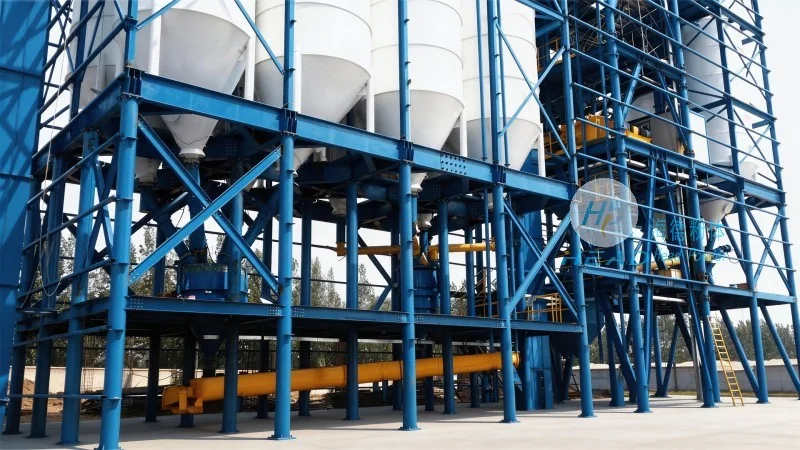
Application Considerations for Bone Powder Handling
When selecting a pneumatic conveying system for bone powder, it is essential to consider the physical properties of the material. Bone powder is typically fine and abrasive, which can affect the system's performance. The particle size distribution, moisture content, and density of the powder will influence the choice of system. For example, if the bone powder has a high moisture content, a positive pressure system may be preferred to prevent clumping and ensure consistent flow. Conversely, if the powder is very fine and prone to dusting, a negative pressure system with effective filtration may be more suitable. The distance between the source and destination is another critical factor. For short distances, a negative pressure system may suffice, while for longer distances, a positive pressure system is often necessary. Additionally, the layout of the facility and the number of collection points can impact the system design. A well-designed system should account for these factors to ensure optimal performance and minimal downtime.
Conclusion and Company Overview
Pneumatic conveying technology offers an efficient and reliable solution for handling bone powder, with both positive and negative pressure modes providing distinct advantages. The choice between the two depends on the specific operational requirements and material characteristics. By understanding the principles and applications of each system, you can select the most suitable option for your bone powder handling needs. Shandong HeadPowder Engineering Co., Ltd., a leading provider of pneumatic conveying solutions, specializes in designing and manufacturing systems tailored to the unique demands of bone powder processing. With years of experience in the industry, the company offers customized solutions that ensure optimal performance, minimal maintenance, and compliance with industry standards. Based in Shandong, China, HeadPowder Engineering Co., Ltd. serves clients worldwide, providing high-quality equipment and technical support to enhance their bone powder handling operations.