With more than 10‑year industry experience, Shandong Headpowder delivers full‑service pneumatic‑conveying systems and blowers, undertaking nationwide turn‑key powder‑handling projects.
Carbon powder, a critical material in various industrial applications, requires efficient and reliable transport methods to ensure quality and process efficiency. Pneumatic conveying is a widely adopted technique for handling such powders, offering advantages like dust-free operation and flexibility. This article provides an in-depth analysis of the two primary modes of pneumatic conveying for carbon powder: positive pressure and negative pressure systems, comparing their operational principles, advantages, and practical applications.
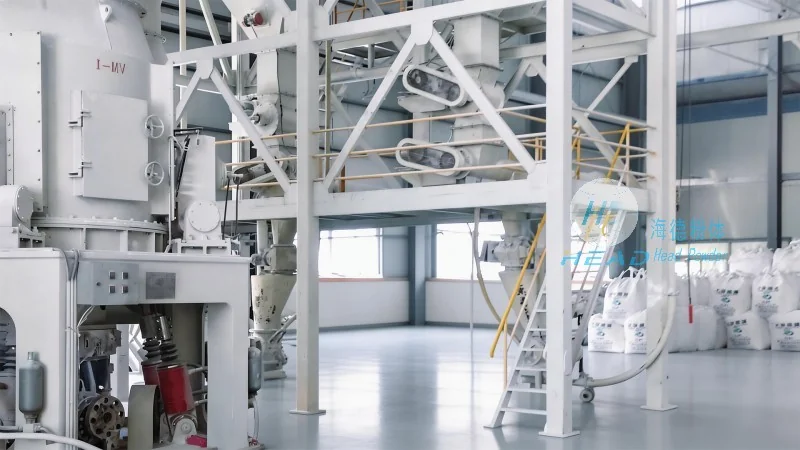
HeadPowder, operating as Shandong HeadPowder Engineering Co., Ltd., is a leading provider of specialized engineering solutions for material handling. With a focus on innovative and efficient systems, the company has established itself as a trusted partner in the industry. HeadPowder’s expertise lies in designing and implementing tailored pneumatic conveying systems that meet the unique requirements of carbon powder applications. The company’s headquarters is located in Shandong, China, where it leverages advanced technology and engineering knowledge to deliver high-quality solutions.
Positive pressure systems operate by blowing air or gas into the conveying line, creating a pressure higher than the ambient air pressure. This method is particularly effective for transporting carbon powder over long distances or through complex piping networks. The positive pressure ensures that the powder is continuously pushed through the system, reducing the risk of blockages and ensuring consistent flow rates. One of the key advantages of positive pressure is its ability to handle abrasive or corrosive materials, which is often the case with carbon powders. The system can also be equipped with filters and cyclones to separate the powder from the air, maintaining the purity of the material and protecting equipment from wear and tear.
Positive pressure systems offer several benefits when handling carbon powder. Firstly, they provide a stable and continuous flow, which is essential for maintaining production efficiency. The high pressure ensures that the powder is conveyed at a consistent speed, minimizing variations in material delivery. Secondly, these systems are highly effective in handling fine powders, which tend to be more challenging to transport due to their tendency to settle or clog. The positive pressure helps to keep the powder suspended in the air stream, preventing agglomeration and ensuring smooth operation. Additionally, positive pressure conveying can be integrated with other processing equipment, such as mixers or reactors, allowing for seamless material transfer and reducing downtime. The system’s ability to handle high volumes of material makes it suitable for large-scale industrial applications, where carbon powder is used in bulk.
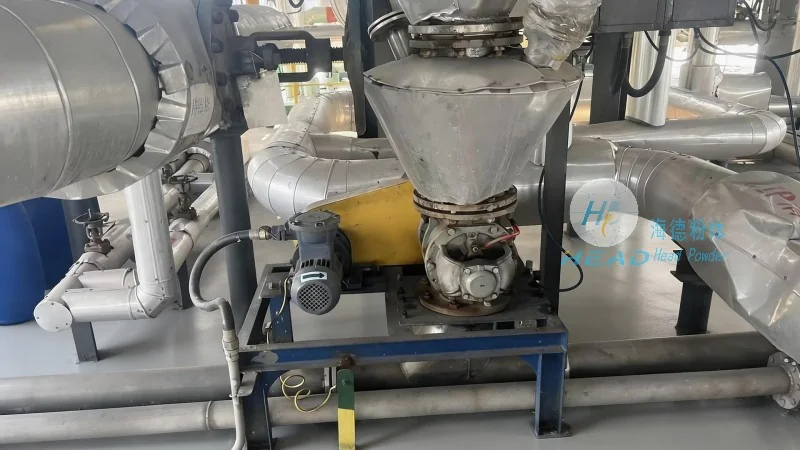
Negative pressure systems, also known as suction systems, work by creating a vacuum in the conveying line, drawing the carbon powder into the system. This method is ideal for applications where the powder needs to be collected from a source, such as a hopper or a storage bin. The negative pressure ensures that the powder is drawn into the line without the need for external pressure, making it suitable for handling materials that are sensitive to pressure changes or for applications where the source is at a higher elevation. Unlike positive pressure systems, negative pressure does not require blowing air into the line, which can be beneficial in environments where noise or air quality is a concern.
Negative pressure systems offer distinct advantages when transporting carbon powder. One of the primary benefits is their ability to handle materials that are prone to dust generation or are sensitive to contamination. The suction process ensures that the powder is drawn into the system without exposing it to external air, reducing the risk of contamination and maintaining the purity of the material. This is particularly important for carbon powders used in high-purity applications, such as in the production of electronic components or specialty chemicals. Another advantage is the lower energy consumption compared to positive pressure systems. Since the system operates by creating a vacuum rather than blowing air, it requires less power to operate, making it more cost-effective in the long run. Negative pressure conveying is also more suitable for short-distance applications or when the source and destination are close to each other, as the suction process is more efficient over shorter distances.
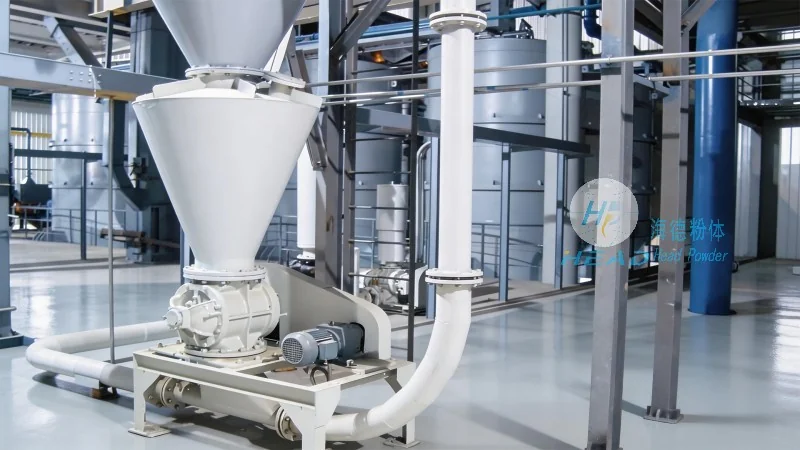
When choosing between positive and negative pressure pneumatic conveying for carbon powder, several factors need to be considered. The primary consideration is the distance and layout of the conveying system. Positive pressure systems are generally more suitable for long-distance or complex layouts, as they can maintain consistent pressure and flow rates over longer distances. Negative pressure systems, on the other hand, are better suited for short distances or when the source is at a higher elevation, as the suction process is more effective in these scenarios. Another critical factor is the material characteristics of the carbon powder. Fine or abrasive powders may benefit more from positive pressure systems due to their ability to handle high-pressure and abrasive materials. Conversely, powders that are sensitive to contamination or require low energy consumption may be better suited for negative pressure systems. The cost of implementation and maintenance is also a key factor. Positive pressure systems may require more robust equipment and higher energy input, while negative pressure systems can be more cost-effective for smaller applications. Ultimately, the choice between the two modes depends on the specific requirements of the application, including the distance, material properties, and operational constraints.
Pneumatic conveying plays a vital role in the processing of carbon powder across various industries. In the battery manufacturing sector, carbon powder is used as an anode material, and efficient conveying is essential to maintain the quality of the final product. Pneumatic systems ensure that the carbon powder is delivered to the mixing and coating processes without contamination or degradation. In the chemical industry, carbon powders are used in the production of specialty chemicals, where the purity of the material is critical. Pneumatic conveying helps to maintain the purity of the powder by preventing contact with external air and contaminants. The automotive industry also relies on carbon powder for applications such as brake pads and fuel cells, where consistent material delivery is crucial for product performance. HeadPowder’s expertise in designing tailored pneumatic conveying systems has enabled it to serve a wide range of industries, providing customized solutions that meet the specific needs of each application.
Choosing the appropriate pneumatic conveying system for carbon powder is a critical decision that impacts the efficiency, quality, and cost of the overall process. Positive pressure systems offer high-pressure, continuous flow, and are ideal for long-distance or abrasive materials, while negative pressure systems provide low energy consumption, contamination control, and are suitable for short distances or sensitive materials. By understanding the operational principles, advantages, and limitations of each mode, industries can select the most suitable system for their specific requirements. HeadPowder, with its expertise in pneumatic conveying solutions, offers customized systems that cater to the unique needs of carbon powder applications. Whether it’s a positive or negative pressure system, HeadPowder’s engineering solutions ensure reliable and efficient transport of carbon powder, supporting the success of industrial processes.

 Shandong Headpowder Engineering Co., Ltd.
 156-6277-7102(Manager Zhang)
  0531-83386006
  Zhangqiu District, Jinan City, Shandong Province, China
telephone
WeChatconsult
top