With more than 10‑year industry experience, Shandong Headpowder delivers full‑service pneumatic‑conveying systems and blowers, undertaking nationwide turn‑key powder‑handling projects.
When it comes to handling acrylic rubber materials through pneumatic conveying systems, a critical decision point arises: should the system operate under positive pressure, negative pressure, or a combination of both? This choice significantly impacts system efficiency, material integrity, and overall operational costs. Understanding the distinctions between positive and negative pressure systems is essential for selecting the most suitable solution for your specific application. In this article, we will explore the key factors that influence this decision, focusing on the characteristics of each system and how to differentiate between them effectively.
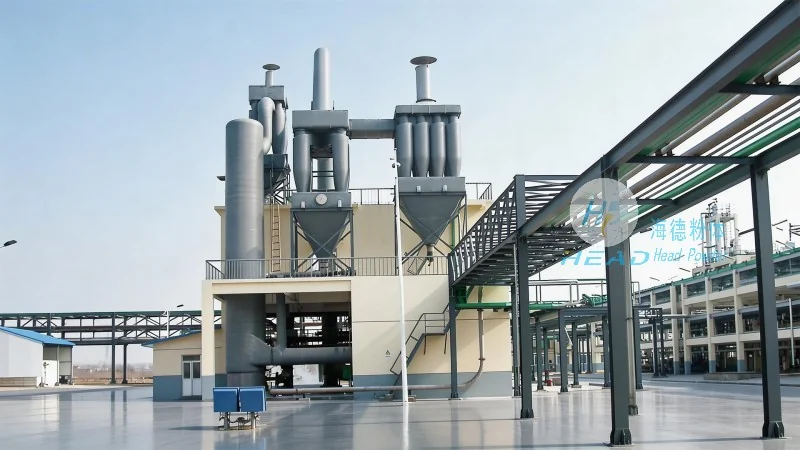
HeadPowder Engineering, a leading provider of advanced material handling solutions, specializes in designing and implementing customized pneumatic conveying systems tailored to the unique needs of various industries. With a strong presence in Shandong, China, HeadPowder Engineering leverages decades of experience to deliver reliable and efficient systems for handling acrylic rubber and other challenging materials. Their expertise ensures that clients receive solutions that optimize performance while minimizing downtime and maintenance requirements.
Pneumatic conveying systems are widely used in industries such as chemical processing, pharmaceuticals, and food processing to transport bulk materials like powders and granules. These systems rely on the movement of air or gas to transport materials through a pipeline network. The primary distinction between positive and negative pressure systems lies in the direction of air flow relative to the material being conveyed.
Positive pressure systems operate by blowing air into the conveying line, creating a pressure higher than the ambient air pressure. This method pushes the material through the system, ensuring that the material is always under positive pressure. This approach is particularly effective for materials that are sensitive to moisture or contamination, as the system is sealed and the material is protected from external elements.
For acrylic rubber, which is often used in applications requiring high chemical resistance and flexibility, positive pressure systems offer several advantages. The sealed environment prevents moisture ingress, which can degrade the material's properties over time. Additionally, positive pressure systems are well-suited for long-distance conveying and can handle materials with higher moisture content without compromising quality. HeadPowder Engineering's positive pressure systems are designed with robust components that can withstand the demands of handling acrylic rubber, ensuring consistent performance and minimal material degradation.
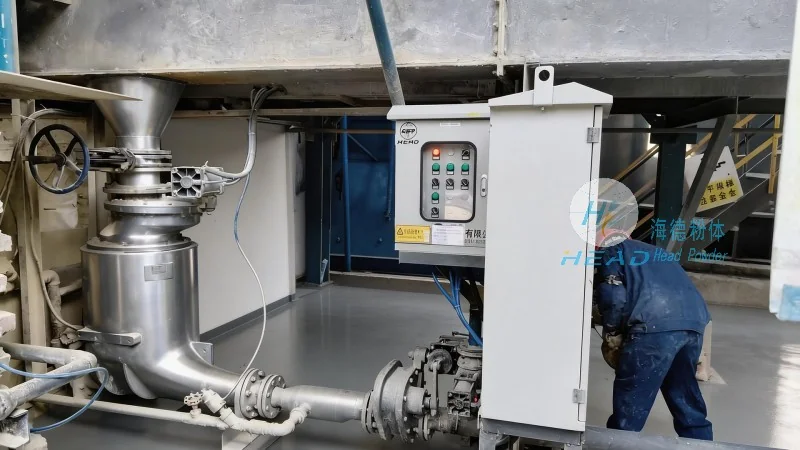
Negative pressure systems, on the other hand, operate by creating a vacuum in the conveying line, drawing material into the system. The air is drawn out of the line, creating a lower pressure than the ambient air. This method is ideal for applications where the material needs to be isolated from the environment or where the system is located in a controlled area.
For acrylic rubber applications, negative pressure systems are often preferred when the material is being transferred from a closed container or when the system is integrated into a cleanroom environment. The vacuum helps to prevent dust and particles from escaping into the surrounding area, maintaining a safe and clean workspace. However, negative pressure systems may require more careful maintenance to prevent dust accumulation and ensure consistent air flow. HeadPowder Engineering's negative pressure systems are equipped with advanced filtration and air handling components that maintain a clean and efficient operation for handling acrylic rubber.
Identifying whether a system operates under positive or negative pressure can be determined by observing the direction of air flow and the pressure differentials. In a positive pressure system, the air is forced into the line, and the pressure inside the line is higher than the ambient pressure. This can be confirmed by checking the pressure gauge, which will show a positive reading relative to atmospheric pressure. Conversely, in a negative pressure system, the air is drawn out of the line, resulting in a lower pressure inside the line compared to the ambient environment. The pressure gauge will indicate a negative reading in this case.
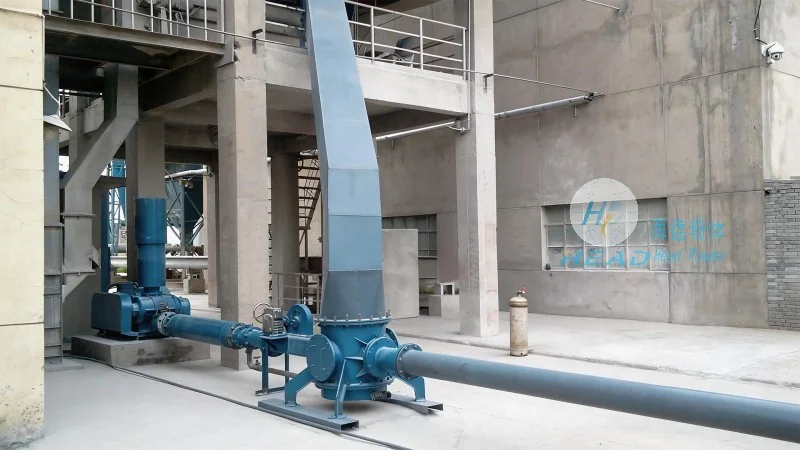
Another key distinction is the effect on the material's environment. Positive pressure systems create an enclosed, pressurized environment that protects the material from external contaminants. Negative pressure systems, while effective for containment, may require additional measures to prevent dust from escaping into the workspace. For acrylic rubber, which is sensitive to moisture and environmental factors, the choice between positive and negative pressure systems depends on the specific application requirements and the need to maintain material integrity.
When deciding between positive and negative pressure pneumatic conveying for acrylic rubber, several factors should be considered. The first is the material's properties, such as its moisture content, dustiness, and chemical resistance. Acrylic rubber, being a synthetic material with high flexibility and chemical resistance, may require a system that can handle its specific characteristics. The second factor is the distance and layout of the conveying system. Longer distances may benefit from positive pressure systems due to their ability to maintain consistent air flow and pressure. Shorter distances or systems integrated into existing facilities may use negative pressure systems for easier installation and lower initial costs.
The third factor is the operational environment and safety requirements. If the system is located in a cleanroom or needs to maintain a dust-free environment, negative pressure systems are often preferred to prevent contamination. However, if the material is being transferred from an open hopper or requires protection from external moisture, positive pressure systems are more suitable. Additionally, the cost of equipment and maintenance should be evaluated. Positive pressure systems may have higher initial costs due to the need for robust components and sealed systems, but they can offer long-term savings by reducing material degradation and downtime.
Choosing between positive and negative pressure pneumatic conveying for acrylic rubber applications requires a thorough understanding of the system's characteristics and the specific needs of the application. HeadPowder Engineering, with its expertise in material handling solutions, provides tailored systems that address these requirements effectively. By considering factors such as material properties, system layout, and operational environment, businesses can select the most appropriate pneumatic conveying system to ensure efficient and reliable handling of acrylic rubber. Whether opting for positive or negative pressure, HeadPowder Engineering's solutions are designed to deliver optimal performance and durability, supporting the long-term success of their clients' operations.

 Shandong Headpowder Engineering Co., Ltd.
 156-6277-7102(Manager Zhang)
  0531-83386006
  Zhangqiu District, Jinan City, Shandong Province, China
telephone
WeChatconsult
top