With more than 10‑year industry experience, Shandong Headpowder delivers full‑service pneumatic‑conveying systems and blowers, undertaking nationwide turn‑key powder‑handling projects.
When handling sodium hexafluorophosphate, selecting the appropriate pneumatic conveying system is crucial for efficiency and safety. The choice between positive pressure and negative pressure conveying directly impacts operational performance, material handling costs, and overall process reliability. This article explores the key factors to consider when deciding between positive pressure and negative pressure systems for sodium hexafluorophosphate, providing insights into how to distinguish between the two and make an informed decision.
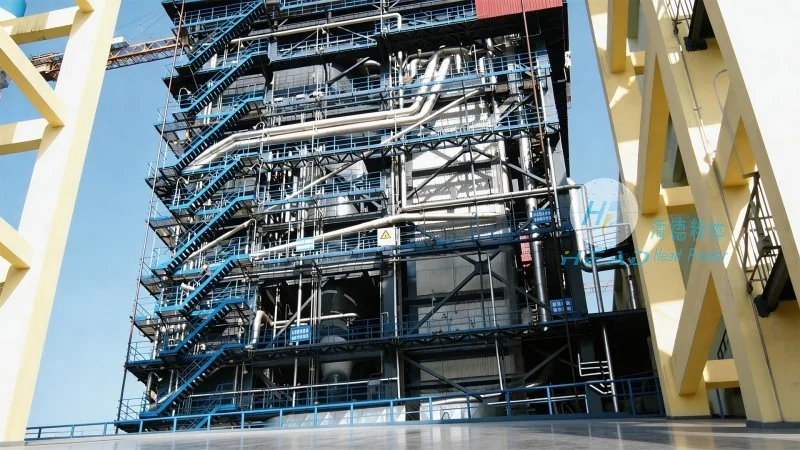
Pneumatic conveying is a method of transporting bulk materials through a pipeline using air or other gases. It is widely used in industries such as chemical processing, pharmaceuticals, and food processing due to its ability to handle fine powders and granules. For sodium hexafluorophosphate, a highly reactive and potentially hazardous material, the choice of conveying system is critical. Two primary types of pneumatic conveying systems are commonly employed: positive pressure and negative pressure systems.
Positive pressure conveying operates by blowing air or gas into the conveying line, creating a pressure higher than the ambient air pressure. This method is often preferred for applications requiring high material throughput and the transport of abrasive or corrosive materials. In the case of sodium hexafluorophosphate, positive pressure systems can effectively handle the material's fine particle size and ensure consistent flow rates. The system typically includes a blower or compressor at the inlet, a hopper or feeder to feed the material, and a receiver or discharge point at the end of the line. Positive pressure systems are generally more suitable for short to medium distance conveying and can handle higher material loads.
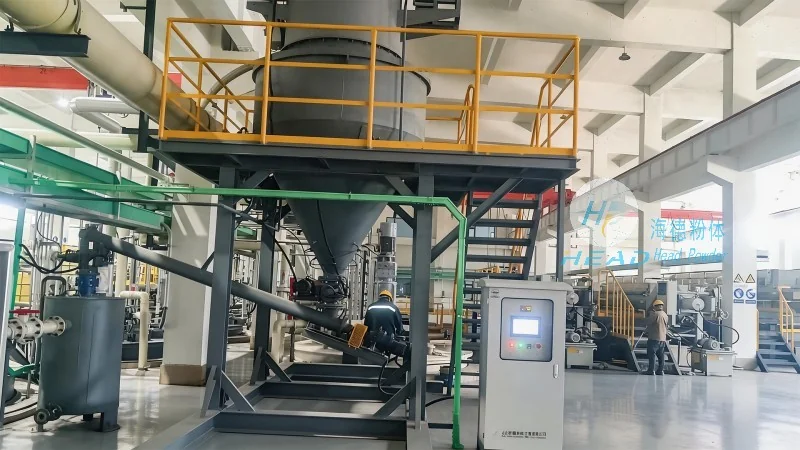
Negative pressure conveying, also known as suction conveying, works by creating a vacuum in the conveying line, drawing material from the source into the system. This method is often used for applications where the material is sensitive to air exposure or where the conveying distance is longer. For sodium hexafluorophosphate, negative pressure systems can be advantageous when dealing with materials that are prone to dust generation or when the process requires a closed system to prevent contamination. The system typically includes a vacuum pump at the inlet, a hopper or feeder, and a receiver or discharge point. Negative pressure systems are generally more suitable for longer conveying distances and can handle lower material loads compared to positive pressure systems.
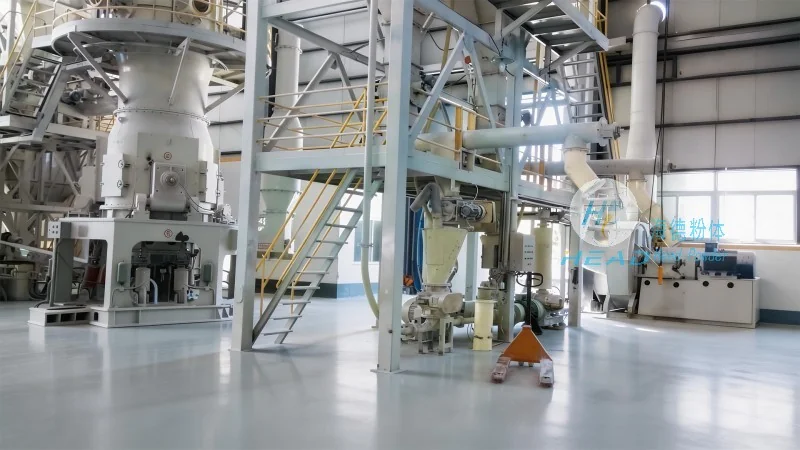
When deciding between positive and negative pressure conveying for sodium hexafluorophosphate, several factors need to be considered. The first factor is the conveying distance. Positive pressure systems are generally more efficient for short to medium distances, while negative pressure systems are better suited for longer distances. The second factor is the material characteristics. For sodium hexafluorophosphate, which is a fine powder with potential dust hazards, negative pressure systems may be preferred to minimize dust exposure and ensure a clean environment. The third factor is the system complexity and cost. Positive pressure systems are often simpler and less expensive to install and maintain, while negative pressure systems may require additional equipment such as dust collectors and filters to manage air quality.
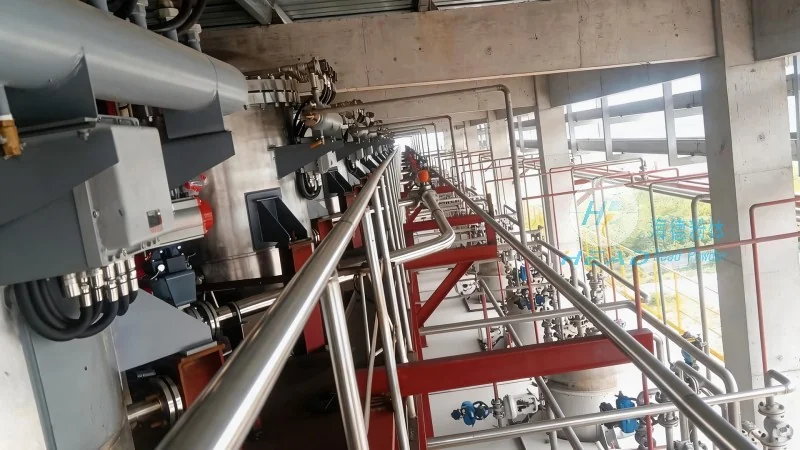
The choice of pneumatic conveying system for sodium hexafluorophosphate depends on the specific application requirements. For example, in a chemical plant where sodium hexafluorophosphate is used as a catalyst, a positive pressure system may be preferred to ensure high material throughput and consistent flow rates. In a pharmaceutical facility where the material is used in drug formulation, a negative pressure system may be chosen to maintain a sterile environment and prevent contamination. Additionally, the scale of the operation and the available space can influence the choice of system. Large-scale industrial applications may benefit from positive pressure systems due to their higher capacity, while smaller-scale applications may opt for negative pressure systems due to their flexibility and lower initial investment.
Shandong HeadPowder Engineering Co., Ltd., a leading provider of pneumatic conveying solutions, specializes in designing and manufacturing customized systems for handling sodium hexafluorophosphate and other chemical materials. With years of experience in the industry, the company understands the unique challenges associated with transporting fine powders and has developed advanced technologies to address them. HeadPowder offers a range of positive and negative pressure conveying systems tailored to the specific needs of clients, ensuring optimal performance and safety. The company's expertise in material handling and process engineering allows it to provide comprehensive solutions that meet the highest standards of quality and reliability. Based in Shandong, China, HeadPowder serves clients worldwide, delivering innovative and efficient pneumatic conveying systems that enhance operational efficiency and reduce costs.

 Shandong Headpowder Engineering Co., Ltd.
 156-6277-7102(Manager Zhang)
  0531-83386006
  Zhangqiu District, Jinan City, Shandong Province, China
telephone
WeChatconsult
top