

Choosing Between Positive Pressure and Negative Pressure for Polypropylene Pellet Pneumatic Conveyin
When it comes to transporting polypropylene pellets via pneumatic conveying systems, the choice between positive pressure and negative pressure methods is a critical decision for industrial operations. Both approaches offer distinct advantages and are suited to different operational requirements. Understanding the fundamental differences, operational characteristics, and practical considerations of each system is essential for selecting the most appropriate solution for polypropylene pellet handling. This article aims to provide a comprehensive overview of positive pressure versus negative pressure pneumatic conveying for polypropylene pellets, helping industrial professionals make informed decisions based on their specific needs.
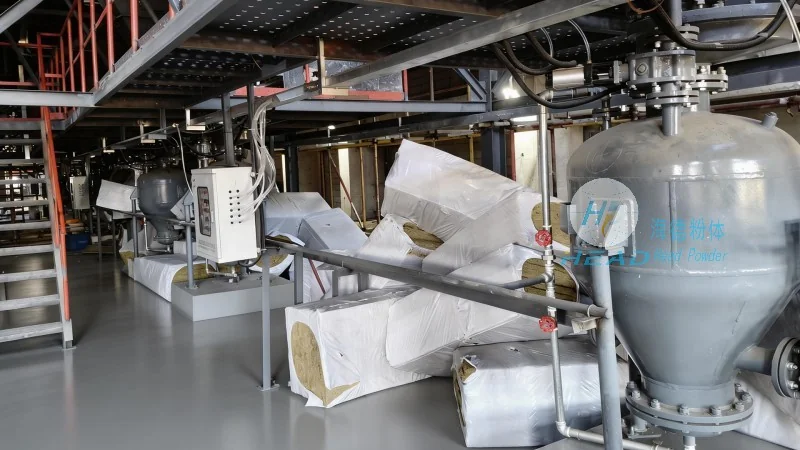
Introduction to Pneumatic Conveying Systems for Polypropylene Pellets
Pneumatic conveying is a widely used method for transporting bulk materials like polypropylene pellets through a pipeline using air or gas as the conveying medium. The system typically consists of a hopper, a conveyor line, and a receiver, with the material being carried by the flow of air. The primary advantage of pneumatic conveying is its ability to transport materials without mechanical contact, reducing wear and tear on the product and equipment. For polypropylene pellets, which are often sensitive to contamination and require clean handling, pneumatic systems offer a hygienic and efficient solution. However, the choice of system design—specifically, whether to use positive pressure or negative pressure—significantly impacts the system's performance, energy consumption, and operational safety.
Positive Pressure Pneumatic Conveying: Principles and Applications
Positive pressure pneumatic conveying systems operate by generating air pressure within the conveying line, pushing the material from the source (such as a hopper) to the destination (like a silo or storage tank). This method is often referred to as "blow" or "pressure" conveying. The system uses a blower or compressor to create a high-pressure air stream that propels the polypropylene pellets through the pipeline. One of the key advantages of positive pressure systems is their ability to handle long distances and multiple transfers without significant pressure loss. They are particularly effective for applications requiring high material throughput and where the receiving point is at a higher elevation than the source. The positive pressure approach also minimizes the risk of material spillage and contamination, as the system maintains a sealed environment throughout the conveying process.
From a technical perspective, positive pressure systems typically operate at pressures ranging from 0.5 to 2 bar (7 to 29 psi), depending on the distance and material characteristics. The air velocity in the pipeline is maintained at a level sufficient to keep the pellets in suspension, preventing blockages and ensuring smooth flow. For polypropylene pellets, which have a relatively low density and can be prone to static charge buildup, positive pressure systems often incorporate features such as static eliminators and anti-static coatings to prevent material accumulation and ensure safe operation. The system's design also allows for easy integration with existing industrial infrastructure, making it a versatile choice for various manufacturing environments.
Negative Pressure Pneumatic Conveying: Principles and Applications
Negative pressure pneumatic conveying, also known as "suction" or "vacuum" conveying, operates by creating a low-pressure environment in the conveying line, drawing the polypropylene pellets from the source into the system. The system uses a vacuum pump to create a pressure differential that pulls the material through the pipeline. Unlike positive pressure systems, negative pressure systems are generally better suited for shorter conveying distances and lower material loads. They are commonly used in applications where the receiving point is at a lower elevation than the source, as the vacuum helps to pull the material downward. One of the primary advantages of negative pressure systems is their lower energy consumption compared to positive pressure systems, as they do not require high-pressure air to push the material. This makes them more energy-efficient for applications with limited power availability or where cost-effectiveness is a key consideration.
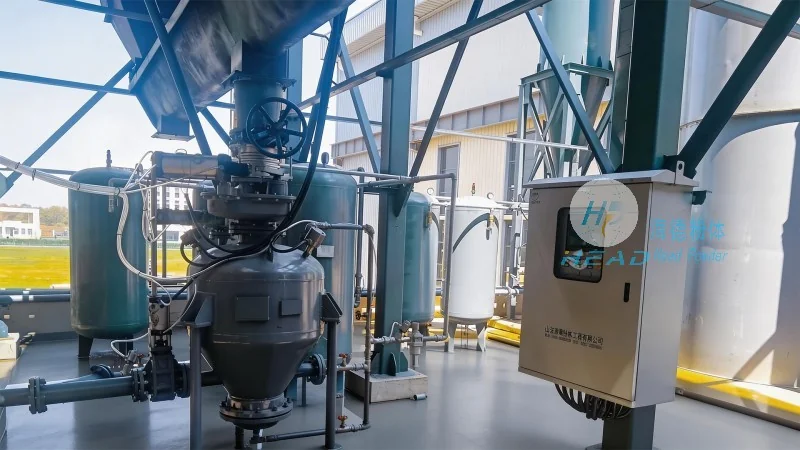
From a technical standpoint, negative pressure systems typically operate at pressures ranging from -0.5 to -2 bar (negative 7 to negative 29 psi), depending on the distance and material properties. The air velocity in the pipeline is carefully controlled to maintain the pellets in suspension without causing excessive wear on the system components. For polypropylene pellets, which can be dusty and generate static charge, negative pressure systems often include filtration and dust collection equipment to ensure air quality and prevent material buildup in the vacuum pump. The system's design also allows for flexible installation, as the vacuum line can be routed around obstacles and through different levels of the facility. However, negative pressure systems are more susceptible to clogging and material spillage if not properly maintained, as the low pressure may not be sufficient to prevent material from escaping the pipeline.
Distinguishing Between Positive and Negative Pressure Systems for Polypropylene Pellets
When deciding between positive and negative pressure pneumatic conveying for polypropylene pellets, several factors must be considered to ensure the optimal choice. The most critical factor is the conveying distance and elevation change between the source and destination. Positive pressure systems are generally preferred for longer distances or when the receiving point is at a higher elevation, as they can maintain sufficient pressure to overcome gravitational and frictional losses. Negative pressure systems are more suitable for shorter distances or when the receiving point is lower, as the vacuum can effectively pull the material downward without excessive energy consumption.
Another important consideration is the material characteristics of the polypropylene pellets. Polypropylene is a lightweight, low-density material that can be prone to static charge and dust generation. Positive pressure systems often require additional equipment, such as static eliminators and filters, to prevent material buildup and ensure clean handling. Negative pressure systems, while more energy-efficient, may need more robust filtration and dust collection to maintain air quality and prevent material contamination. The system's capacity and throughput requirements also play a role in the decision-making process. Positive pressure systems are better suited for high-volume applications, as they can handle larger material loads without significant pressure loss. Negative pressure systems are more appropriate for lower-volume or intermittent conveying operations.
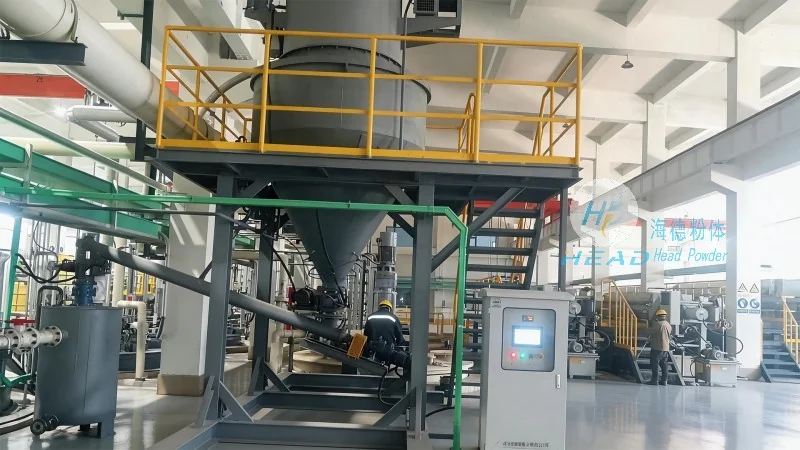
Operational safety and maintenance considerations are also crucial when distinguishing between the two systems. Positive pressure systems, due to their high-pressure air, require more stringent safety measures, such as pressure relief valves and explosion-proof components, to prevent accidents. They also demand regular maintenance of the blower or compressor to ensure consistent performance. Negative pressure systems, while generally safer in terms of pressure, require careful attention to vacuum pump maintenance and air filtration to prevent clogging and ensure long-term operation. The cost of installation and operation is another factor to weigh. Positive pressure systems may have higher initial costs due to the need for high-pressure equipment, but they offer lower maintenance costs and higher throughput. Negative pressure systems have lower initial costs and energy consumption but may incur higher maintenance expenses over time due to the vacuum pump and filtration requirements.
Practical Considerations and Recommendations
For industrial operations handling polypropylene pellets, selecting the appropriate pneumatic conveying system requires a thorough analysis of operational requirements, material characteristics, and cost considerations. Positive pressure systems are ideal for applications requiring high material throughput, long conveying distances, or higher elevation transfers. They offer reliable performance, minimal material spillage, and reduced contamination risk, making them suitable for high-volume manufacturing environments. Negative pressure systems are better suited for shorter distances, lower material loads, or when energy efficiency and cost-effectiveness are primary concerns. They are particularly effective in applications where the receiving point is lower than the source and where dust control is a priority.
When evaluating positive pressure systems, it is essential to consider the type of blower or compressor used, as different models offer varying pressure and flow rates. Centrifugal blowers are commonly used for positive pressure systems due to their ability to handle high volumes of air at moderate pressures, making them suitable for long-distance conveying. Positive displacement blowers, on the other hand, are better for applications requiring higher pressure but lower volume, such as short-distance transfers. The choice of blower impacts the system's energy consumption and operational efficiency, so selecting the right equipment is critical.
For negative pressure systems, the selection of the vacuum pump is crucial. Rotary vane vacuum pumps are widely used due to their reliability and ability to handle dust-laden air without clogging. These pumps are designed to operate at low pressures and can maintain consistent suction throughout the conveying process. The filtration system is another key component, as it must be capable of capturing fine polypropylene dust and preventing it from entering the vacuum pump or the receiving equipment. High-efficiency particulate air (HEPA) filters are often used to ensure the air quality meets industrial standards and to protect the system from material buildup.