With more than 10‑year industry experience, Shandong Headpowder delivers full‑service pneumatic‑conveying systems and blowers, undertaking nationwide turn‑key powder‑handling projects.
When it comes to transporting metal iron powder, selecting the right pneumatic conveying system is crucial for efficiency, cost-effectiveness, and operational safety. The two primary types of pneumatic conveying systems are positive pressure and negative pressure. Understanding the distinctions between these systems is essential for making an informed decision that aligns with your specific production needs. This article explores the key differences, characteristics, and practical considerations for choosing between positive pressure and negative pressure for metal iron powder handling.
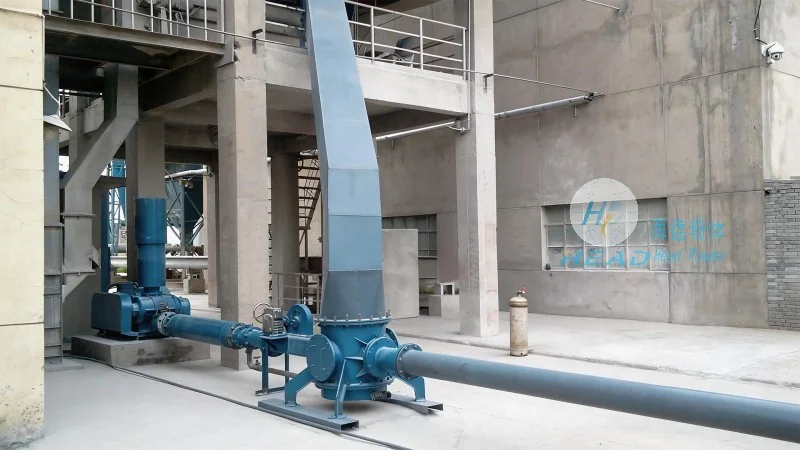
Pneumatic conveying is a method of transporting bulk materials, such as metal iron powder, through a pipeline using air or gas as the conveying medium. It offers advantages over traditional mechanical conveying systems, including reduced equipment wear, lower maintenance costs, and the ability to handle materials that are difficult to transport by other means. For metal iron powder, which is often fine and abrasive, the choice of pneumatic conveying system can significantly impact the overall performance and longevity of the conveying process.
Positive pressure pneumatic conveying systems operate by blowing air or gas into the conveying line, creating a pressure higher than the ambient air pressure. This pressure drives the material along the pipeline. In the context of metal iron powder, positive pressure systems are commonly used for short to medium-distance conveying, typically up to several hundred meters. They are often preferred for applications where the material needs to be transported from a central storage point to a processing unit or for feeding into a mixer or reactor. The positive pressure system ensures that the material is continuously pushed forward, preventing blockages and ensuring consistent flow rates. The equipment used in positive pressure systems includes a blower or compressor, a hopper for material storage, and a pipeline with appropriate fittings and valves. The pressure in the system is typically maintained at a level that is sufficient to overcome the resistance of the pipeline and the material's density. This type of system is particularly effective for handling materials that are prone to bridging or caking, as the continuous pressure helps to keep the material in motion.
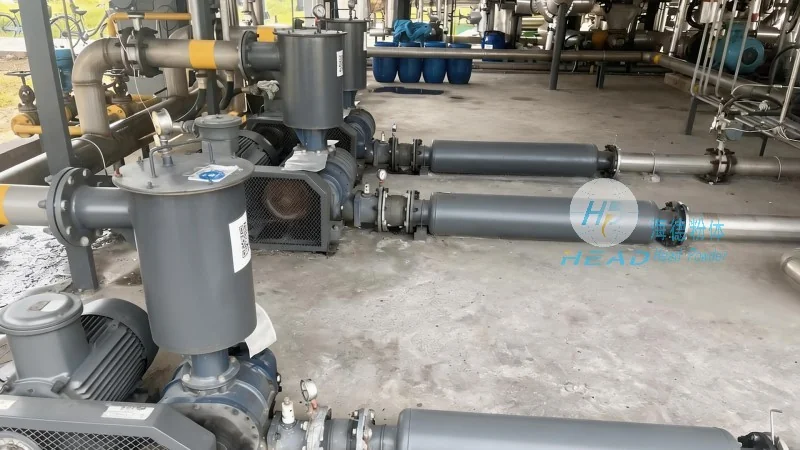
Negative pressure pneumatic conveying, also known as vacuum or suction conveying, operates by creating a vacuum in the conveying line, which draws the material from the source into the pipeline. This system is ideal for applications where the material needs to be transported from a remote location to a central processing area or for feeding materials into a hopper or silo. Negative pressure systems are often used for longer distances, up to several kilometers, and are particularly suitable for handling materials that are lightweight or have a low bulk density. The vacuum is created by a vacuum pump, and the material is drawn into the pipeline by the pressure differential between the source and the receiving end. The equipment includes a vacuum pump, a hopper or collection point, and a pipeline with appropriate filters and valves to prevent dust and particles from entering the vacuum pump. The negative pressure system is generally more energy-efficient for long-distance conveying, as it does not require the continuous operation of a high-pressure blower. However, it may be less effective for handling abrasive or high-density materials, as the suction force may not be sufficient to move the material through the pipeline without additional assistance, such as a rotary valve or a feeder.

The primary difference between positive and negative pressure pneumatic conveying systems lies in the direction of air flow and the pressure differential. Positive pressure systems use compressed air to push the material forward, while negative pressure systems use a vacuum to pull the material. This fundamental difference affects several aspects of the system's performance and design. Positive pressure systems typically require higher air pressure and more robust equipment to handle the material's resistance, especially for abrasive or high-density materials. They are generally more suitable for short to medium distances and for handling materials that are prone to bridging or caking. Negative pressure systems, on the other hand, are more energy-efficient for long-distance conveying and are better suited for handling lightweight or low-density materials. They may require additional equipment, such as a rotary valve or a feeder, to ensure consistent material flow and prevent blockages. Another key difference is the impact on the environment and the surrounding area. Positive pressure systems may release air and dust into the environment, requiring proper filtration and ventilation to comply with environmental regulations. Negative pressure systems, by contrast, draw air and material into the system, which can help to contain dust and particles within the system, reducing the risk of environmental contamination. The cost of equipment is also a factor, with positive pressure systems generally being more expensive due to the need for high-pressure blowers and robust pipelines, while negative pressure systems may have lower initial costs but may require more maintenance due to the vacuum pump and associated components.
Distinguishing between positive and negative pressure pneumatic conveying systems can be done by examining several key characteristics and operational parameters. First, check the pressure readings in the system. Positive pressure systems will show a pressure higher than atmospheric pressure, typically ranging from 0.5 to 2 bar, depending on the material and distance. Negative pressure systems will show a vacuum pressure, typically ranging from -0.5 to -2 bar. The pressure gauge is a simple and effective way to identify the type of system. Second, observe the direction of air flow. In positive pressure systems, air is blown into the pipeline, and the material is pushed forward. In negative pressure systems, air is drawn out of the pipeline, and the material is pulled into the system. This can be seen by the presence of air vents or exhausts in the positive pressure system and the intake of air into the vacuum pump in the negative pressure system. Third, examine the equipment used. Positive pressure systems will have a blower or compressor as the primary air source, while negative pressure systems will have a vacuum pump. The hopper and collection point may also differ, with positive pressure systems often having a hopper with a discharge valve and negative pressure systems having a collection point with a filter or cyclone to remove dust. Fourth, consider the material characteristics. Positive pressure systems are better suited for abrasive or high-density materials, as the continuous pressure helps to prevent blockages and maintain flow. Negative pressure systems are more suitable for lightweight or low-density materials, as the suction force is sufficient to move the material over longer distances. Finally, evaluate the operational costs. Positive pressure systems may have higher energy costs due to the continuous operation of the blower, while negative pressure systems may have lower energy costs but higher maintenance costs due to the vacuum pump and associated components. By considering these factors, you can effectively distinguish between positive and negative pressure pneumatic conveying systems and choose the one that best meets your needs.

 Shandong Headpowder Engineering Co., Ltd.
 156-6277-7102(Manager Zhang)
  0531-83386006
  Zhangqiu District, Jinan City, Shandong Province, China
telephone
WeChatconsult
top