With more than 10‑year industry experience, Shandong Headpowder delivers full‑service pneumatic‑conveying systems and blowers, undertaking nationwide turn‑key powder‑handling projects.
For industries handling inorganic salts, selecting the right pneumatic conveying system is crucial for efficiency, safety, and operational longevity. Among the two primary methods—positive pressure and negative pressure—each offers distinct advantages and is suited to different operational requirements. Understanding the nuances of these systems is essential for making an informed decision that aligns with your specific processing needs. This article explores the key differences between positive and negative pressure pneumatic conveying systems, providing insights into how to choose the most appropriate method for transporting inorganic salts.
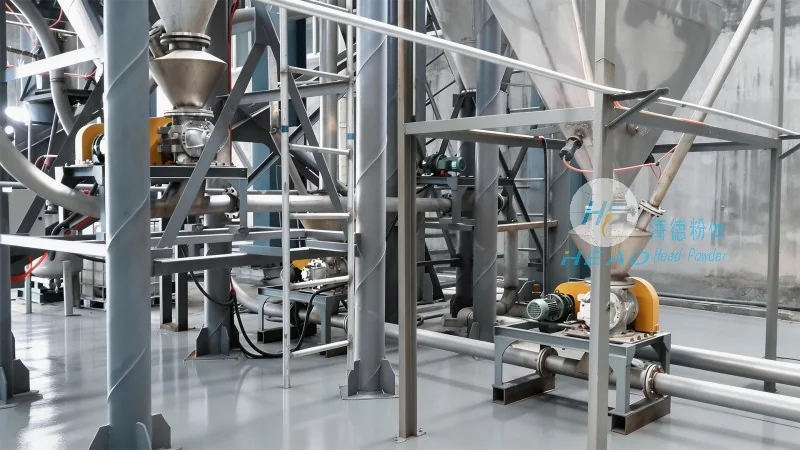
Pneumatic conveying systems are widely used in the chemical and material processing industries to transport bulk materials like inorganic salts. These systems use air or gas to move material through a pipeline, eliminating the need for mechanical components such as conveyor belts or buckets. The choice between positive and negative pressure systems depends on factors like material properties, system design, and operational environment. Both methods have their place in the industry, but understanding their characteristics is vital for optimal performance.
Positive pressure systems operate by blowing air or gas into the conveying line, creating a pressure higher than the ambient air. This forces the material to move through the pipeline. In contrast, negative pressure systems create a vacuum in the line, drawing material into the system as air is pulled through. The fundamental difference lies in the direction of air flow and the pressure differential within the system.
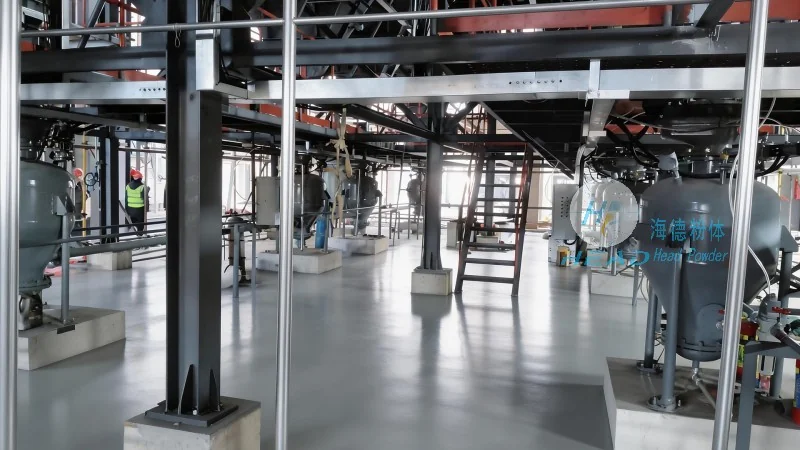
When deciding between positive and negative pressure systems for inorganic salt handling, several factors must be evaluated. These include the physical properties of the salt, such as particle size, moisture content, and abrasiveness, as well as the distance and layout of the conveying route. Additionally, the system's capacity, energy efficiency, and maintenance requirements play a significant role in the decision-making process.
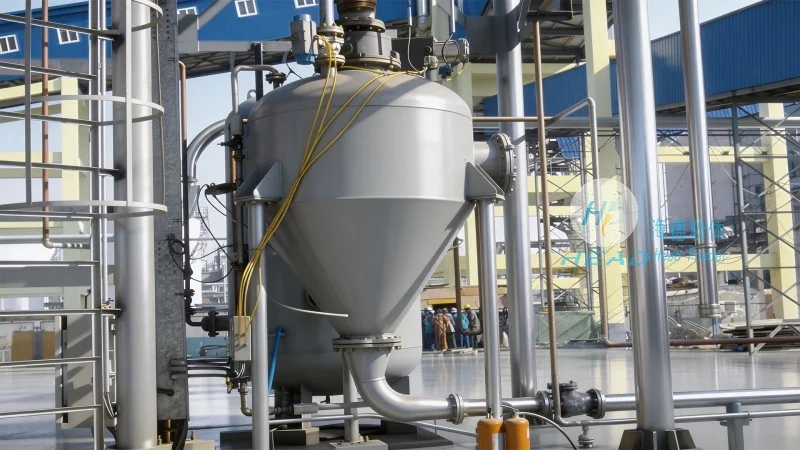
Positive pressure systems are often preferred for applications involving abrasive or corrosive materials, as they can handle higher pressures and velocities without damaging the pipeline. They are also suitable for long-distance conveying, as the pressure can be maintained throughout the system. For inorganic salts, positive pressure systems are commonly used in scenarios where the material needs to be transported over considerable distances or through complex layouts. The high-pressure operation ensures that the material is consistently moved, reducing the risk of blockages or material loss.
Negative pressure systems are ideal for applications where the material is sensitive to high pressure or where the conveying distance is short. They are commonly used in environments where dust control is a priority, as the system draws material into the line without releasing air into the environment. For inorganic salts, negative pressure systems are suitable for handling materials that are prone to dust generation or where the processing plant has strict air quality regulations. The vacuum operation helps in maintaining a clean and controlled environment.
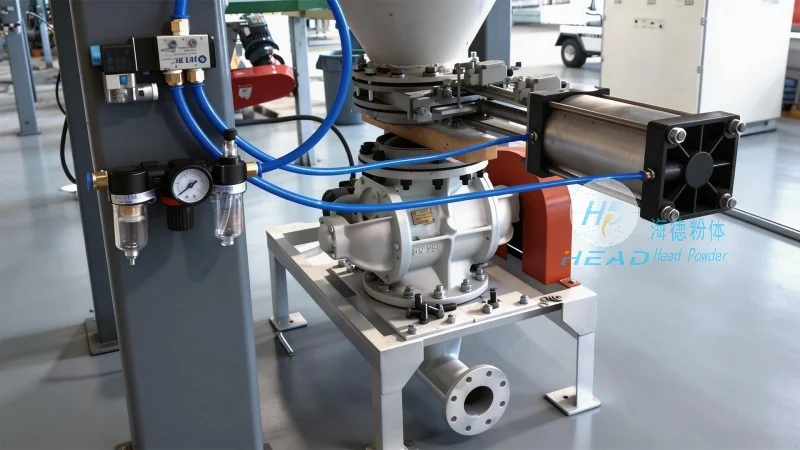
To effectively distinguish between positive and negative pressure systems, it is essential to evaluate the operational requirements and material characteristics. Positive pressure systems are typically more robust and suitable for high-volume, long-distance conveying, while negative pressure systems are better suited for low-volume, short-distance applications or where dust control is critical. The choice also depends on the available space and infrastructure, as positive pressure systems may require additional equipment for pressure regulation, whereas negative pressure systems may need more robust filtration to prevent dust from escaping.
Choosing between positive and negative pressure pneumatic conveying systems for inorganic salts requires a thorough analysis of operational factors, material properties, and system requirements. By understanding the advantages and limitations of each method, you can select the most appropriate system that enhances efficiency, reduces operational costs, and ensures compliance with industry standards. For expert guidance on selecting the right pneumatic conveying system, consider consulting with specialized engineering firms like Shandong HeadPowder Engineering Co., Ltd., based in China, which offers tailored solutions for diverse material handling needs.

 Shandong Headpowder Engineering Co., Ltd.
 156-6277-7102(Manager Zhang)
  0531-83386006
  Zhangqiu District, Jinan City, Shandong Province, China
telephone
WeChatconsult
top