With more than 10‑year industry experience, Shandong Headpowder delivers full‑service pneumatic‑conveying systems and blowers, undertaking nationwide turn‑key powder‑handling projects.
Pneumatic conveying is a critical technology in the handling and transportation of bulk materials, including coal. For industries dealing with Lancang coal, selecting the appropriate conveying method—whether positive pressure or negative pressure—is crucial for efficiency, cost-effectiveness, and operational safety. This article explores the key differences between positive and negative pressure pneumatic conveying systems, helping you make an informed decision for your specific application.
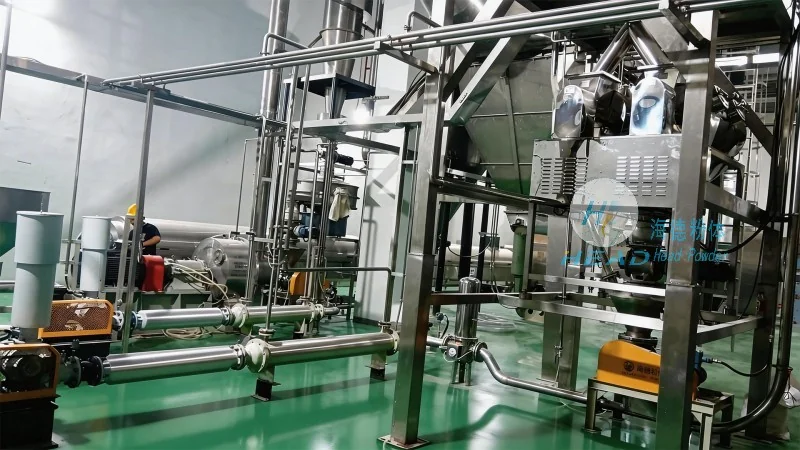
Pneumatic conveying uses air or gas to transport solid materials through a pipeline. The two primary methods are positive pressure and negative pressure systems. Both have distinct characteristics that make them suitable for different scenarios. Positive pressure systems force air and material through the pipeline using a blower or fan. This method is often preferred for applications requiring high material flow rates and long-distance transport. The positive pressure system ensures that the material is continuously pushed forward, reducing the risk of blockages and ensuring consistent flow. For Lancang coal, positive pressure systems are ideal when dealing with large quantities of material and when the conveying distance is significant. The high pressure and continuous flow help maintain the material's integrity and prevent degradation during transport.
Negative pressure conveying, also known as vacuum conveying, works by creating a vacuum in the pipeline to draw material from the source. This method is typically used for shorter distances and when the material is sensitive to pressure changes or when the source is at a higher elevation. Negative pressure systems are often more energy-efficient for short-distance transport but may require more maintenance due to the vacuum components. For Lancang coal, negative pressure systems are suitable for handling smaller batches or when the material needs to be transported from a higher point to a lower point without excessive pressure.
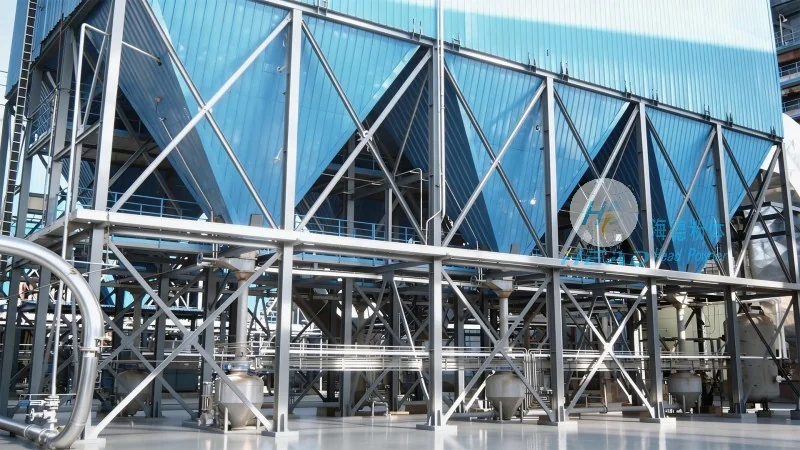
When deciding between positive and negative pressure pneumatic conveying for Lancang coal, several factors should be considered. The most critical factors include the conveying distance, material characteristics, and required flow rate. Positive pressure systems are generally more suitable for long-distance transport and high-volume applications, while negative pressure systems are better for short distances and when the material is delicate or requires gentle handling.
Before selecting a pneumatic conveying system for Lancang coal, it is essential to evaluate several factors. The first consideration is the distance between the material source and the destination. Longer distances typically favor positive pressure systems due to their ability to maintain high pressure and consistent flow. The second factor is the material's properties, such as particle size, moisture content, and abrasiveness. For example, if the Lancang coal has large particles or is prone to clumping, a positive pressure system with appropriate equipment (like a rotary valve or feeder) may be necessary to prevent blockages. The third factor is the required flow rate and throughput. High flow rates often necessitate positive pressure systems, while lower flow rates can be managed with negative pressure systems.
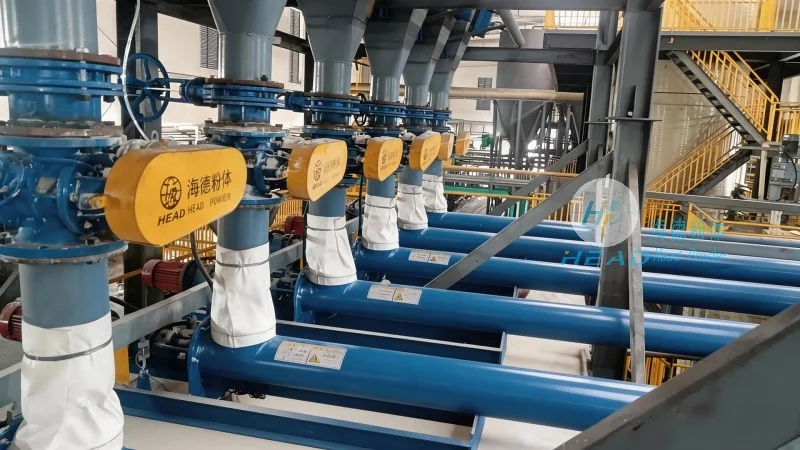
Positive pressure systems are commonly used in coal handling plants for transporting coal from storage silos to processing units or for long-distance transport to power plants. For instance, a power plant in Shandong, China, may use a positive pressure system to convey Lancang coal from a storage facility to the boiler house, covering a distance of several kilometers. The system ensures a continuous and reliable supply of coal, minimizing downtime and improving operational efficiency. On the other hand, negative pressure systems are often used in smaller-scale applications, such as transporting coal from a mine to a processing plant over short distances. These systems are particularly useful when the material is sensitive to pressure changes or when the source is at a higher elevation, as the vacuum helps draw the material without causing damage.
Choosing between positive and negative pressure pneumatic conveying for Lancang coal requires a thorough understanding of the system's capabilities and the specific requirements of your application. Positive pressure systems offer high efficiency and reliability for long-distance and high-volume transport, while negative pressure systems provide gentle handling and energy efficiency for shorter distances. By evaluating factors such as distance, material properties, and flow rate, you can select the most suitable system to optimize your coal handling operations. Shandong HeadPowder Engineering Co., Ltd., with its expertise in pneumatic conveying systems, can provide tailored solutions to meet your specific needs, ensuring efficient and safe transport of Lancang coal.

 Shandong Headpowder Engineering Co., Ltd.
 156-6277-7102(Manager Zhang)
  0531-83386006
  Zhangqiu District, Jinan City, Shandong Province, China
telephone
WeChatconsult
top