With more than 10‑year industry experience, Shandong Headpowder delivers full‑service pneumatic‑conveying systems and blowers, undertaking nationwide turn‑key powder‑handling projects.
When it comes to transporting corn efficiently and safely, selecting the right pneumatic conveying system is crucial. For agricultural operations handling corn, the choice between positive pressure and negative pressure systems can significantly impact operational efficiency, cost, and product integrity. This article explores the key differences between these two approaches, helping you make an informed decision for your corn handling needs.
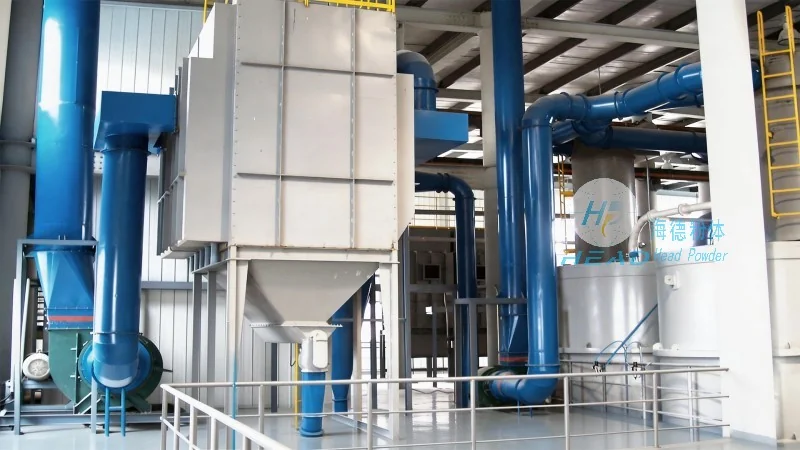
Positive pressure conveying systems operate by blowing air or gas into the material stream, pushing the corn through the pipeline. This method is often preferred for long-distance or high-volume applications, as it can maintain consistent flow rates and handle abrasive materials without excessive wear. In contrast, negative pressure (or vacuum) systems draw material into the system by creating a vacuum, pulling the corn through the pipeline. Negative pressure systems are typically used for shorter distances or when the material is more delicate, as they generate less pressure on the material itself.
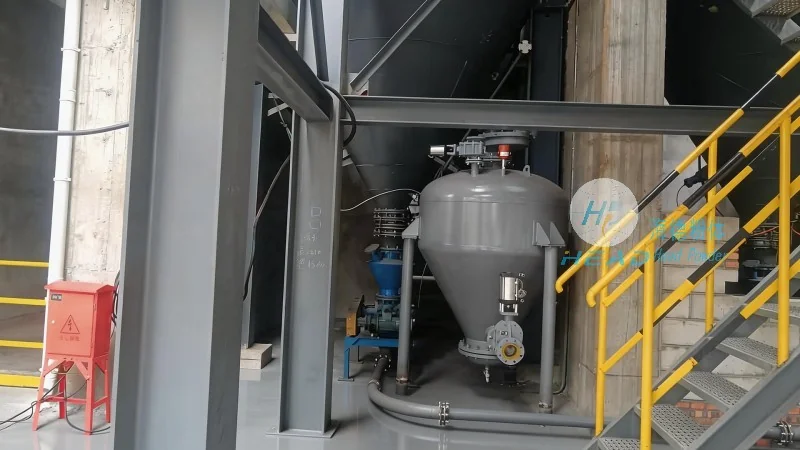
Several factors should be evaluated when deciding between positive and negative pressure conveying for corn. First, consider the distance and layout of the conveying line. Positive pressure systems are generally more suitable for longer runs, as they can maintain pressure and flow without significant losses. Negative pressure systems, however, may be more effective for shorter distances or when the system requires flexibility in layout. Second, assess the material characteristics of the corn. If the corn is dry and free-flowing, both systems can work well, but if the material is sticky or contains foreign objects, positive pressure might be preferable due to its ability to handle higher velocities and reduce blockages. Third, evaluate the system's energy consumption and maintenance requirements. Positive pressure systems often require more powerful blowers and may have higher energy costs, while negative pressure systems can be more energy-efficient but may need more frequent filter maintenance to prevent clogging.
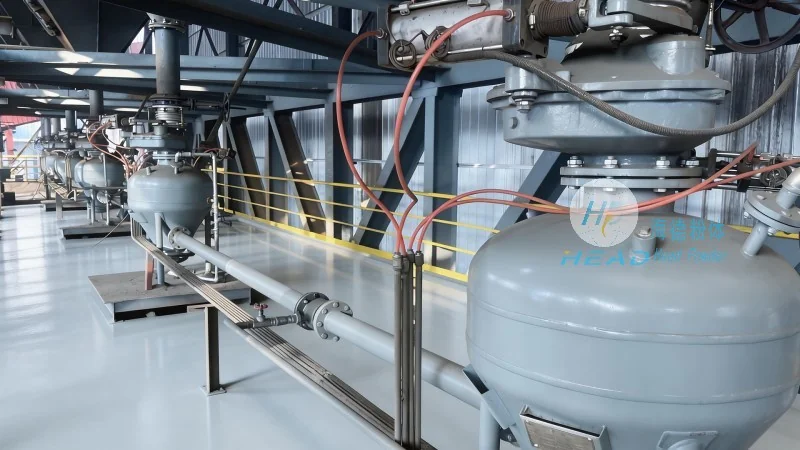
Real-world applications of positive and negative pressure conveying for corn vary based on operational needs. For example, a large-scale corn processing plant in Shandong, China, might use a positive pressure system to transport corn from storage silos to a milling facility over a distance of several hundred meters. The system would likely feature robust blowers and a well-designed pipeline network to ensure consistent flow and minimize downtime. Conversely, a smaller farm or a facility handling delicate corn products might opt for a negative pressure system to transport corn from a field to a storage bin over a shorter distance. This system would prioritize gentle handling and low pressure to prevent damage to the corn kernels. Additionally, the choice of system may depend on the existing infrastructure and available space. Positive pressure systems often require dedicated air supply and may need more space for equipment, while negative pressure systems can be more compact and integrated into existing structures.
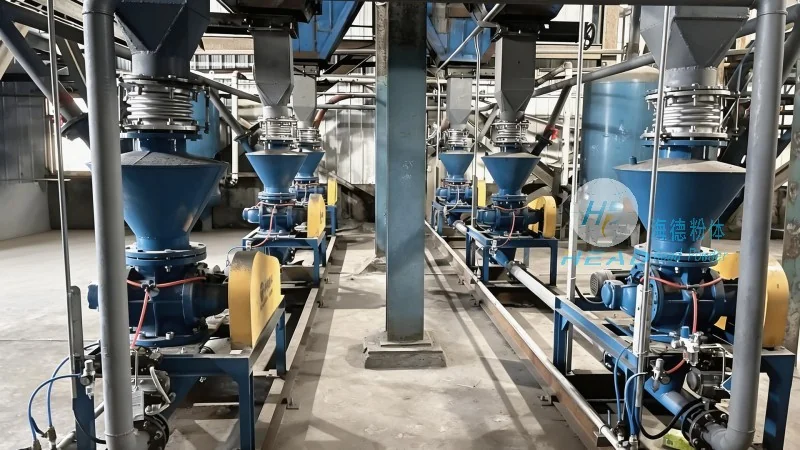
Choosing between positive and negative pressure conveying for corn requires a careful analysis of operational requirements, material characteristics, and system constraints. By understanding the strengths and limitations of each approach, you can select the most suitable system for your specific needs. For expert guidance and customized solutions, Shandong HeadPowder Engineering Co., Ltd., a leading provider of pneumatic conveying systems, offers comprehensive support to help you optimize your corn handling processes. With decades of experience in the industry, HeadPowder specializes in designing and manufacturing efficient, reliable systems tailored to the unique demands of corn processing and storage. Located in Shandong, China, the company leverages advanced technology and local expertise to deliver high-quality solutions that enhance productivity and ensure the quality of your corn products. Whether you need a positive pressure or negative pressure system, HeadPowder is committed to providing the right equipment and support to meet your operational goals.

 Shandong Headpowder Engineering Co., Ltd.
 156-6277-7102(Manager Zhang)
  0531-83386006
  Zhangqiu District, Jinan City, Shandong Province, China
telephone
WeChatconsult
top