With more than 10‑year industry experience, Shandong Headpowder delivers full‑service pneumatic‑conveying systems and blowers, undertaking nationwide turn‑key powder‑handling projects.
When it comes to transporting kaolin—a key industrial mineral used in various applications such as paper, ceramics, and coatings—pneumatic conveying systems offer efficient and flexible solutions. However, the choice between positive pressure and negative pressure systems can significantly impact operational efficiency, cost, and system reliability. This article explores the distinctions between these two approaches, helping you make an informed decision for your kaolin handling needs.
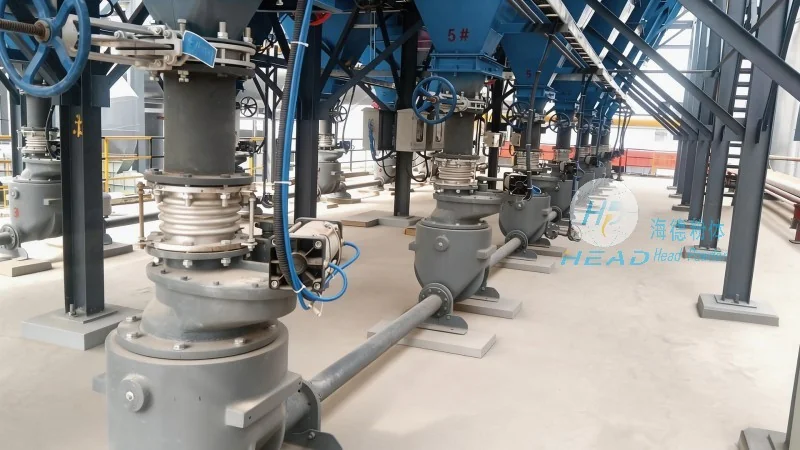
Pneumatic conveying uses air or gas to transport bulk materials like kaolin through a pipeline. The two primary methods are positive pressure (also known as pressure or push system) and negative pressure (or vacuum system). Both systems rely on air movement to move material, but they differ in how they generate and control the pressure differential within the system.
Positive pressure systems operate by pushing material through the pipeline using a blower or compressor that generates high-pressure air. The material is carried in the air stream, and the system maintains a pressure higher than the ambient air. This method is often preferred for long-distance or high-capacity applications, as it can handle larger volumes and longer transport distances with less pressure drop.
Key characteristics of positive pressure systems include:
Negative pressure systems, conversely, use a vacuum pump to create a low-pressure environment that draws material into the pipeline. The material is drawn into the system by the vacuum, and the air flow carries it to the destination. This approach is often suitable for shorter distances or applications where the material needs to be collected from multiple points.
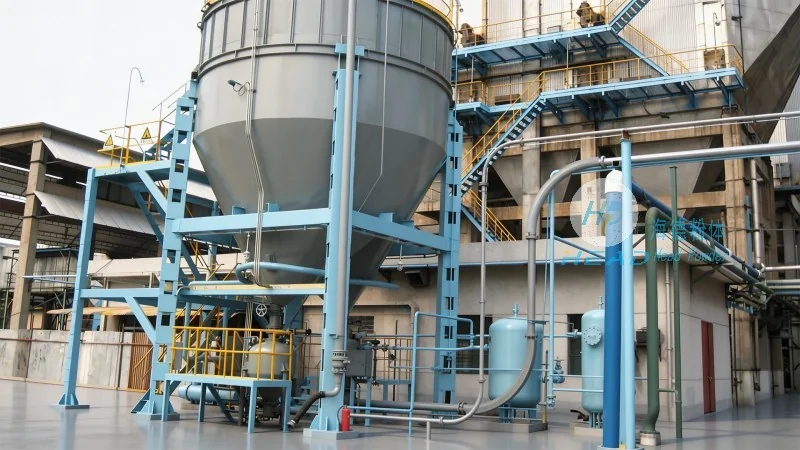
Key characteristics of negative pressure systems include:
Choosing between positive and negative pressure systems for kaolin depends on several factors, including the material's properties, transport distance, system layout, and operational requirements. Here are the key criteria to consider:
Kaolin is a fine, powdery mineral that can be prone to bridging or caking in hoppers and pipelines. Positive pressure systems, with their higher air velocity, can better break up agglomerates and maintain consistent flow. Negative pressure systems, while gentler, may require additional equipment like rotary valves or airlocks to prevent material buildup and ensure smooth transport.
Long-distance kaolin transport (e.g., from a mine to a processing plant over several kilometers) often favors positive pressure systems due to their ability to maintain pressure and material flow over extended pipelines. Short-distance transport, such as moving kaolin from a storage silo to a mixing tank within a facility, may be more efficiently handled by negative pressure systems, as they are simpler and less energy-intensive.
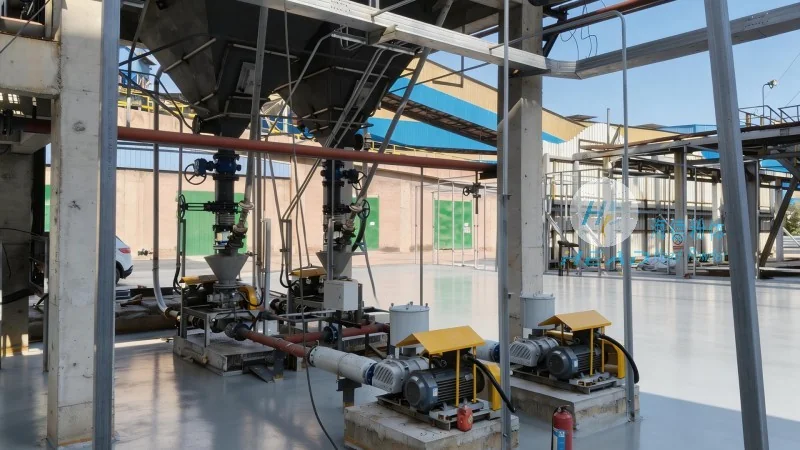
Positive pressure systems typically involve larger, more powerful blowers and more robust piping, which can increase initial capital costs. However, they may offer lower long-term operational costs due to higher efficiency and reduced maintenance needs for handling abrasive kaolin particles. Negative pressure systems are generally more compact and cheaper to install but may require more frequent maintenance for vacuum pumps and filtration systems.
Both systems must comply with environmental regulations for dust control and air emissions. Positive pressure systems may generate more noise due to high-pressure blowers, while negative pressure systems can create negative pressure zones that require proper sealing to prevent air leakage and dust contamination. For kaolin, which is often handled in industrial settings, ensuring proper filtration and dust collection is critical to maintain air quality and worker safety.
When deciding between positive and negative pressure for kaolin, consider conducting a thorough site assessment and material analysis. Evaluate the specific transport requirements, including distance, volume, and material characteristics, to determine the most suitable system. Consulting with experienced engineers, such as those from Shandong HeadPowder Engineering Co., Ltd., can provide tailored solutions that optimize performance and cost for your kaolin handling operations.
Shandong HeadPowder Engineering Co., Ltd., a leading provider of pneumatic conveying systems, specializes in designing and manufacturing customized solutions for kaolin and other fine minerals. With decades of experience in the industry, the company offers expert guidance and high-quality equipment to meet the unique needs of each project. Whether you require a positive pressure or negative pressure system, HeadPowder's team of engineers can help you select the best approach to ensure efficient, reliable, and cost-effective kaolin transport.

 Shandong Headpowder Engineering Co., Ltd.
 156-6277-7102(Manager Zhang)
  0531-83386006
  Zhangqiu District, Jinan City, Shandong Province, China
telephone
WeChatconsult
top