With more than 10‑year industry experience, Shandong Headpowder delivers full‑service pneumatic‑conveying systems and blowers, undertaking nationwide turn‑key powder‑handling projects.
Cassava, also known as manioc or yuca, is a staple crop in many tropical and subtropical regions, serving as a primary source of carbohydrates for millions of people. The efficient handling and transportation of cassava from harvest to processing is crucial for maintaining quality and minimizing losses. Pneumatic conveying systems have emerged as a key technology in the agricultural and food processing industries, offering a hygienic and flexible method for moving bulk materials like cassava. This article provides a technical analysis of cassava pneumatic conveying systems, focusing on the comparison between positive pressure and negative pressure conveying modes, with an emphasis on the applications and considerations for each approach.
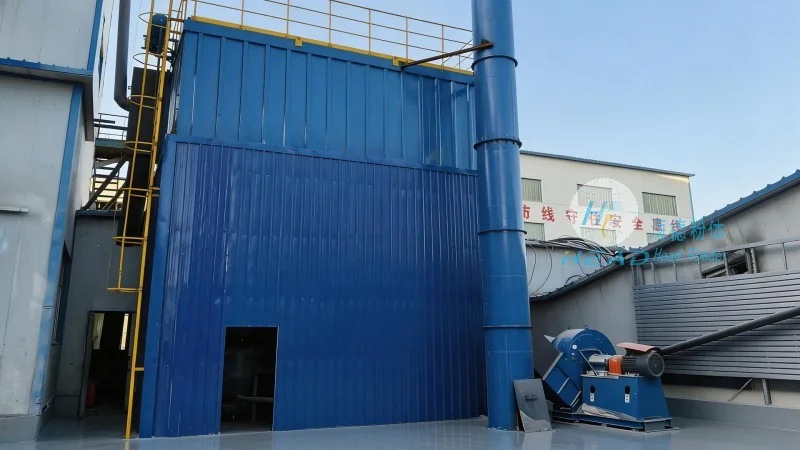
Shandong HeadPowder Engineering Co., Ltd. is a leading provider of advanced pneumatic conveying systems tailored for agricultural and industrial applications. With a strong commitment to innovation and customer satisfaction, HeadPowder specializes in designing and manufacturing customized solutions that meet the unique requirements of clients. The company’s expertise lies in understanding the specific challenges of handling bulk materials, such as cassava, and developing systems that ensure optimal performance, reliability, and efficiency. Based in Shandong, China, HeadPowder leverages local resources and industry knowledge to deliver high-quality equipment and support services to customers worldwide.
Pneumatic conveying systems utilize air or gas to transport bulk materials through a pipeline. The two primary modes of operation are positive pressure and negative pressure systems. Each mode has distinct characteristics, advantages, and applications that make it suitable for different scenarios. Understanding these differences is essential for selecting the right system for a specific cassava processing operation.
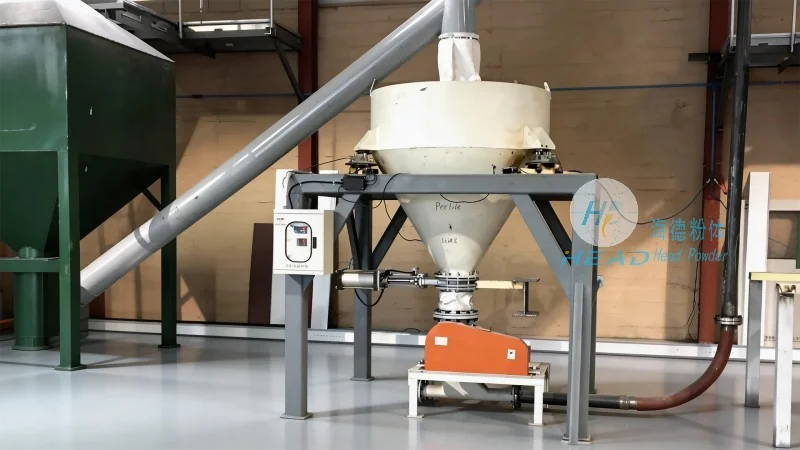
Positive pressure conveying systems operate by blowing air or gas into the conveying line, creating a pressure higher than the ambient air pressure. The material is then carried forward by the air stream, which is typically at a higher velocity than the material itself. This mode is often referred to as "blow" or "pressure" conveying. One of the key advantages of positive pressure systems is their ability to handle a wide range of materials, including those with high moisture content or abrasive properties. They are also well-suited for long-distance and high-capacity applications, as the pressure can be maintained throughout the entire conveying line. However, positive pressure systems require robust equipment to withstand the higher pressures and may generate more noise and require more energy compared to negative pressure systems. In the context of cassava processing, positive pressure systems are commonly used for transporting raw cassava from storage to processing facilities, as they can handle the bulk volume and maintain the material's integrity during transport.
Negative pressure conveying systems, also known as "suction" or "vacuum" conveying, operate by creating a vacuum in the conveying line, which draws the material and air mixture into the system. The material is then transported by the air stream, which moves from a higher pressure (ambient) to a lower pressure (inside the line). This mode is generally more suitable for shorter distances and lower capacities compared to positive pressure systems. One of the main advantages of negative pressure systems is their ability to handle materials that are sensitive to pressure or temperature changes, as the material is not subjected to high pressures. They are also less likely to cause dust or particle dispersion, making them ideal for applications where hygiene and dust control are critical. However, negative pressure systems have limitations in terms of conveying distance and material type, as the vacuum can only be maintained over a certain length of pipe. In cassava processing, negative pressure systems are often used for short-distance transport within processing plants, such as moving cassava from a reception area to a grinding or milling station.
When selecting a pneumatic conveying system for cassava, it is important to consider the specific requirements of the operation, including the distance to be covered, the material characteristics, and the desired level of hygiene and efficiency. The choice between positive and negative pressure systems depends on several factors, including the volume of material to be conveyed, the distance, the material's moisture content, and the need for dust control. Positive pressure systems are generally more suitable for long-distance and high-volume applications, while negative pressure systems are better for short distances and applications where material sensitivity is a concern. In terms of energy consumption, positive pressure systems typically require more energy due to the need to maintain higher pressures, whereas negative pressure systems may consume less energy but have limitations in conveying distance. From a maintenance perspective, both systems require regular inspection and maintenance to ensure optimal performance, but positive pressure systems may have more components that are subject to higher stress and wear.
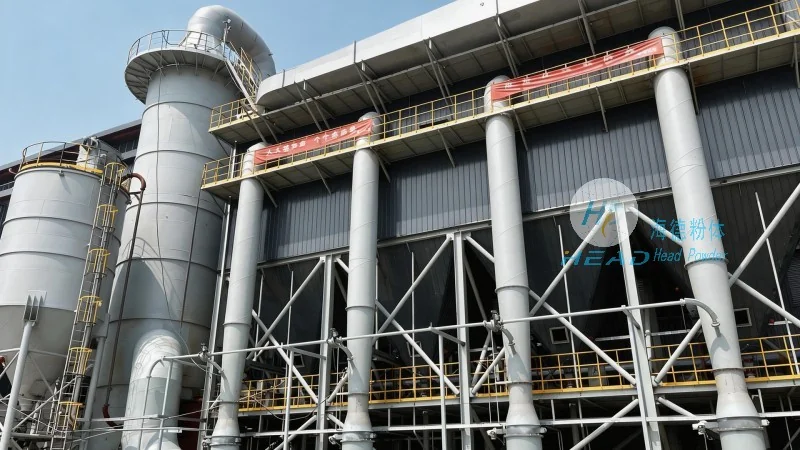
Implementing an effective pneumatic conveying system for cassava involves several key considerations. First, the material characteristics of cassava, such as its moisture content, particle size, and density, must be carefully evaluated. These factors influence the choice of conveying mode and system design. Second, the distance and layout of the conveying line are critical, as they determine the type of system that can be used and the required equipment specifications. Third, hygiene and dust control are important considerations, especially in food processing applications, where the system must meet regulatory standards. HeadPowder Engineering offers customized solutions that address these considerations, ensuring that the chosen system is optimized for the specific cassava processing operation. The company’s engineers work closely with clients to assess their needs and provide recommendations based on technical expertise and practical experience.
Pneumatic conveying systems are a vital technology for the efficient and hygienic handling of cassava in agricultural and food processing operations. The comparison between positive and negative pressure conveying modes highlights the importance of selecting the right system based on specific operational requirements. Positive pressure systems offer advantages in terms of long-distance and high-capacity transport, while negative pressure systems excel in short-distance and material-sensitive applications. By understanding the characteristics and applications of each mode, processors can make informed decisions to optimize their cassava handling processes. Shandong HeadPowder Engineering Co., Ltd. provides expert solutions and support to help clients implement effective pneumatic conveying systems, ensuring that their cassava processing operations run smoothly and efficiently.

 Shandong Headpowder Engineering Co., Ltd.
 156-6277-7102(Manager Zhang)
  0531-83386006
  Zhangqiu District, Jinan City, Shandong Province, China
telephone
WeChatconsult
top