With more than 10‑year industry experience, Shandong Headpowder delivers full‑service pneumatic‑conveying systems and blowers, undertaking nationwide turn‑key powder‑handling projects.
When it comes to carbon powder conveying systems, selecting the right method is crucial for ensuring efficiency, safety, and cost-effectiveness in industrial applications. Two primary approaches are widely used: positive pressure conveying and negative pressure conveying. Understanding the differences between these two systems is essential for making an informed decision that aligns with specific operational needs. This article will explore the key aspects of both positive and negative pressure carbon powder conveying, highlighting their characteristics, advantages, and how to effectively distinguish between them.
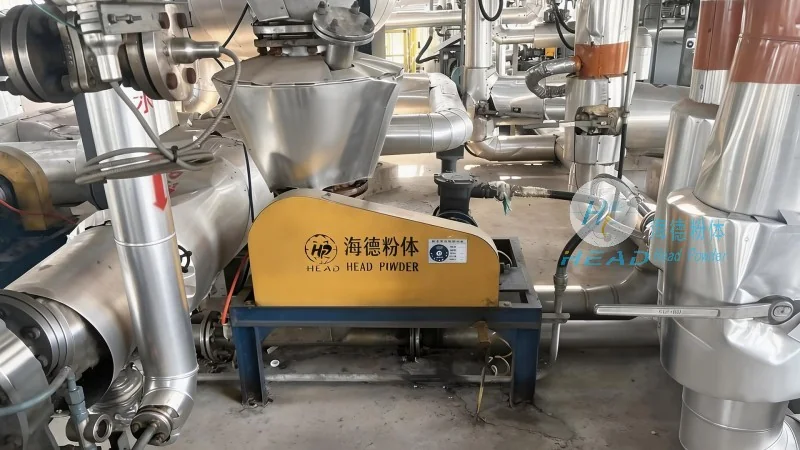
Positive pressure conveying, also known as pressure conveying, operates by blowing air or gas into the conveying line to create a positive pressure environment. This method pushes the carbon powder through the system, ensuring that the material is continuously moved from the source to the destination. The primary advantage of positive pressure systems is their ability to handle abrasive and high-density materials like carbon powder without causing excessive wear on components. Additionally, positive pressure systems are generally more suitable for long-distance conveying and can maintain a consistent flow rate, making them ideal for applications requiring reliable and continuous material transport. The system typically includes a blower, a hopper for material storage, and a series of pipes that deliver the powder to the processing unit. The pressure created by the blower ensures that the carbon powder is propelled forward, preventing blockages and ensuring smooth operation.
Negative pressure conveying, or vacuum conveying, works by creating a vacuum in the conveying line, which draws the carbon powder from the source into the system. This method relies on suction to move the material, making it particularly effective for handling fine powders and preventing dust dispersion. Negative pressure systems are often preferred for applications where dust control is a priority, as the sealed system minimizes the release of airborne particles. However, they may be less efficient for conveying abrasive or high-density materials over long distances, as the vacuum can lead to higher energy consumption and potential wear on the suction components. The system typically consists of a vacuum pump, a hopper, and a filter to capture any fine particles before the powder is delivered to the processing equipment. The vacuum created by the pump pulls the carbon powder into the line, ensuring that the material is transported without the need for external pressure.
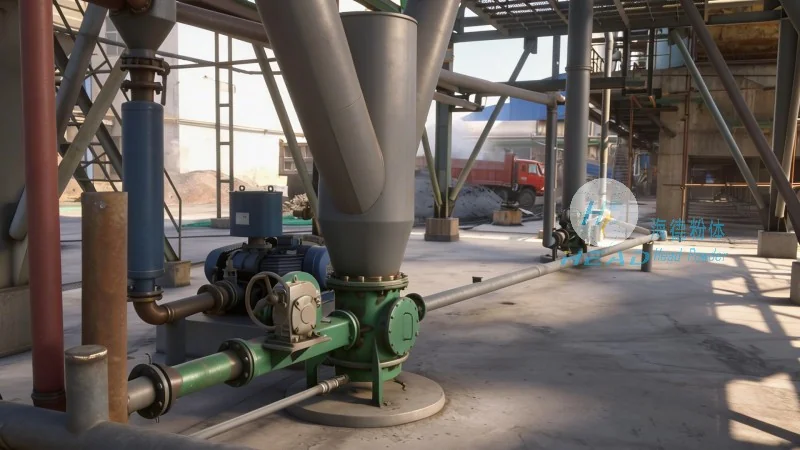
The key to differentiating between positive and negative pressure carbon powder conveying lies in understanding the fundamental principles of each system and matching them to specific operational requirements. Positive pressure systems are generally more robust and suitable for high-volume, long-distance conveying, while negative pressure systems excel in applications where dust control and handling of fine powders are critical. Several factors should be considered when making a choice, including the type of carbon powder (e.g., fine, coarse, or abrasive), the distance between the source and destination, the required flow rate, and the overall system cost. For instance, if the application involves transporting coarse carbon powder over a distance of more than 100 meters, a positive pressure system may be more appropriate due to its ability to maintain consistent pressure and flow. Conversely, if the application requires handling fine carbon powder in a controlled environment to minimize dust, a negative pressure system would be more suitable. Additionally, the cost of equipment and energy consumption should be evaluated, as positive pressure systems may require more powerful blowers and higher energy input compared to negative pressure systems, which rely on vacuum pumps.
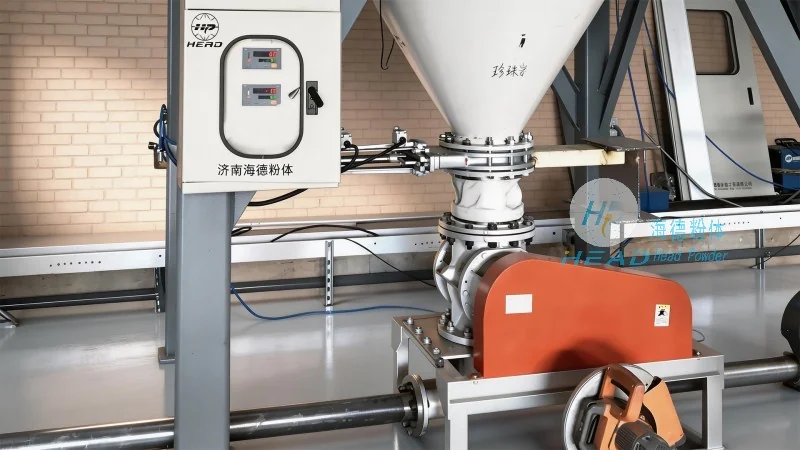
Several factors play a significant role in determining whether a positive or negative pressure conveying system is the better choice for carbon powder applications. The first factor is the material properties of the carbon powder, including its particle size, density, and abrasiveness. Coarse and abrasive powders are better suited for positive pressure systems due to their ability to withstand higher pressure and flow rates without causing excessive wear. Fine powders, on the other hand, are more effectively handled by negative pressure systems, as the vacuum helps to prevent agglomeration and ensures a smooth flow. The second factor is the distance between the source and the processing unit. Positive pressure systems are generally more efficient for long-distance conveying, as they can maintain consistent pressure and flow over extended lengths. Negative pressure systems may struggle with long distances due to the energy required to maintain a vacuum over a large area. The third factor is the need for dust control. Negative pressure systems are superior in this regard, as they create a sealed environment that minimizes the release of airborne particles. Positive pressure systems may require additional filtration to control dust, which can increase the overall system complexity and cost. The fourth factor is the required flow rate. Positive pressure systems can handle higher flow rates, making them suitable for high-volume production lines. Negative pressure systems may have limitations in flow rate, especially when dealing with high-density materials. Finally, the overall system cost, including equipment, installation, and maintenance, should be considered. Positive pressure systems may have higher upfront costs due to the need for powerful blowers and robust components, while negative pressure systems may have lower initial costs but higher energy consumption over time.
Choosing between positive and negative pressure carbon powder conveying requires a thorough evaluation of the specific requirements of the application. Positive pressure systems offer robustness and efficiency for long-distance, high-volume conveying of abrasive materials, while negative pressure systems excel in dust control and handling of fine powders. By considering factors such as material properties, conveying distance, flow rate, and dust control needs, industrial operators can select the most appropriate system to ensure optimal performance and operational efficiency. It is also important to consult with experts in the field, such as Shandong HeadPowder Engineering Co., Ltd., a leading provider of carbon powder conveying solutions, to tailor a system that meets the unique needs of each application. With the right choice, businesses can enhance productivity, reduce downtime, and maintain a safe working environment in their carbon powder handling operations.

 Shandong Headpowder Engineering Co., Ltd.
 156-6277-7102(Manager Zhang)
  0531-83386006
  Zhangqiu District, Jinan City, Shandong Province, China
telephone
WeChatconsult
top