

Working Principle and Features of Baking Powder Material Conveying Lines
Shandong HeadPowder Engineering Co., Ltd., a leading manufacturer based in Shandong, China, specializes in the design and production of advanced material conveying systems tailored for the baking powder industry. This article delves into the working principles and key features of our baking powder material conveying lines, providing a comprehensive overview for industry professionals and potential clients.
Working Principle of Baking Powder Material Conveying Lines
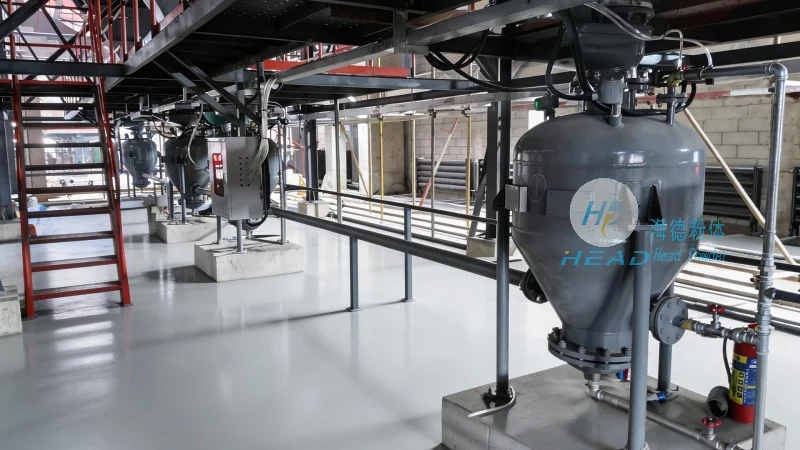
The core of a baking powder material conveying line is a systematic integration of components that ensure efficient and safe material handling. At the heart of the system is the material feeding mechanism, which typically involves a hopper or silo that stores the baking powder. This storage unit is equipped with a level indicator to monitor the material volume, ensuring consistent feeding. The feeding process is controlled by a variable frequency drive (VFD) that adjusts the speed of the feeder, allowing for precise control over the material flow rate. This precision is crucial in preventing overloading or underfeeding, which can affect the quality of the final product.
Once the material is fed into the conveying line, it is transported through a series of components including conveyor belts, screw conveyors, or pneumatic systems, depending on the specific requirements of the application. The conveyor system is designed to handle the unique properties of baking powder, such as its fine particle size and potential for caking. To prevent blockages and ensure smooth operation, the system incorporates features like vibration devices and cleaning mechanisms. For example, some lines use a rotary valve at the discharge end to regulate the material flow, while others employ a dust collection system to maintain a clean and safe working environment.
Key Features of Baking Powder Material Conveying Lines
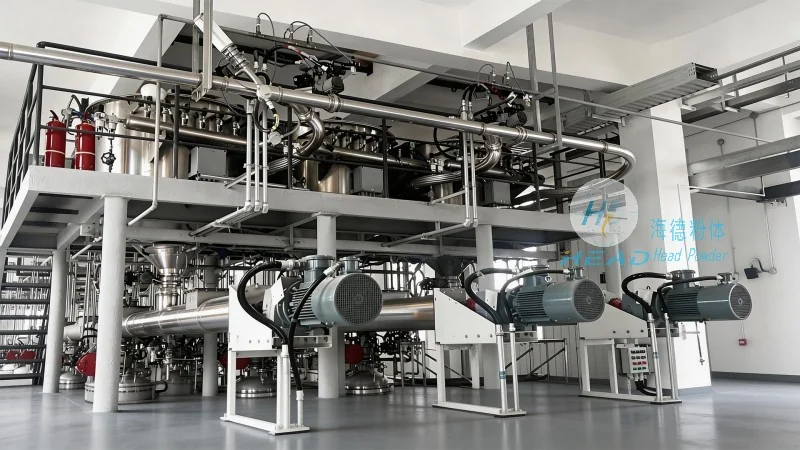
Our conveying lines are engineered with several distinctive features that enhance performance and reliability. One of the primary features is the modular design, which allows for easy customization and expansion. This flexibility enables customers to adapt the system to changing production needs without significant modifications. Additionally, the system incorporates advanced control systems, including programmable logic controllers (PLCs) that monitor and control all operational parameters in real-time. These controls ensure that the conveying process adheres to predefined standards, reducing the risk of errors and improving product consistency.
Another notable feature is the focus on hygiene and safety. The materials used in the construction of the conveying line, such as stainless steel and food-grade plastics, meet strict industry standards for food processing. The system also includes features like sealed connections and easy-to-clean surfaces, which are essential for maintaining compliance with regulatory requirements. Furthermore, the design minimizes human intervention, reducing the risk of contamination and improving operational efficiency.

Benefits of Using Baking Powder Material Conveying Lines
The implementation of a well-designed baking powder material conveying line offers numerous benefits for manufacturers. Firstly, it significantly improves production efficiency by ensuring a continuous and consistent supply of raw materials. This reduces downtime and increases overall throughput, leading to higher productivity. Secondly, the system enhances product quality by maintaining the integrity of the baking powder, preventing contamination and degradation. This is particularly important for baking powder, as even minor impurities can affect its leavening properties.
Thirdly, the conveying line contributes to cost savings through reduced labor and energy consumption. The automated control systems minimize the need for manual adjustments, while the energy-efficient design reduces operational costs. Additionally, the modular design allows for future upgrades, providing a long-term investment that grows with the business. Finally, the system improves workplace safety by eliminating manual handling of bulk materials, reducing the risk of accidents and injuries.