

Choosing Between Positive Pressure and Negative Pressure for Coal Ash Conveying: How to Distinguish?
When it comes to coal ash conveying, selecting the right system is crucial for efficiency and safety. Two primary methods are widely used: positive pressure conveying and negative pressure conveying. Understanding the differences and applications of each is essential for making an informed decision. This article will explore the key aspects of both systems, helping you determine which is best suited for your specific needs.
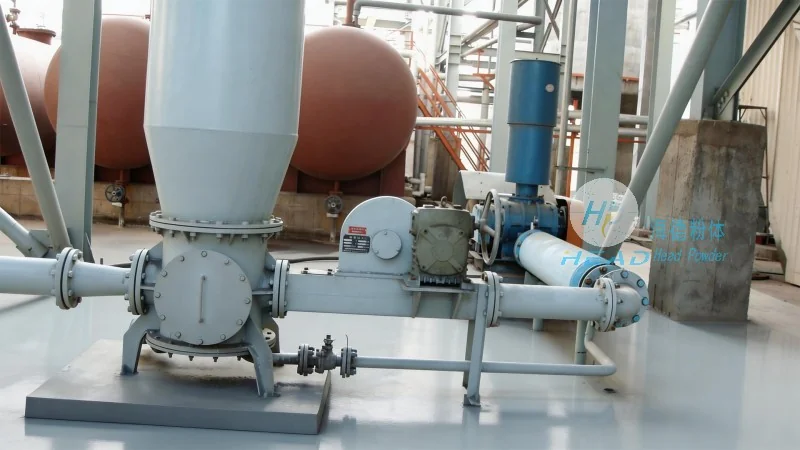
Understanding the Basics of Coal Ash Conveying Systems
Coal ash, a byproduct of coal combustion, requires specialized handling due to its abrasive and potentially hazardous nature. Conveying systems are designed to transport this material from the source to the disposal or utilization site. The choice between positive and negative pressure systems depends on factors such as material properties, distance, and environmental considerations.
Positive Pressure Conveying: How It Works
Positive pressure conveying systems operate by blowing air or gas into the conveying line, creating a pressure higher than the ambient air. This method pushes the coal ash through the pipeline. The system typically includes a blower, a hopper for material loading, and a discharge point. Positive pressure systems are often preferred for long-distance or high-volume transport as they can maintain consistent flow and handle larger particles more effectively.
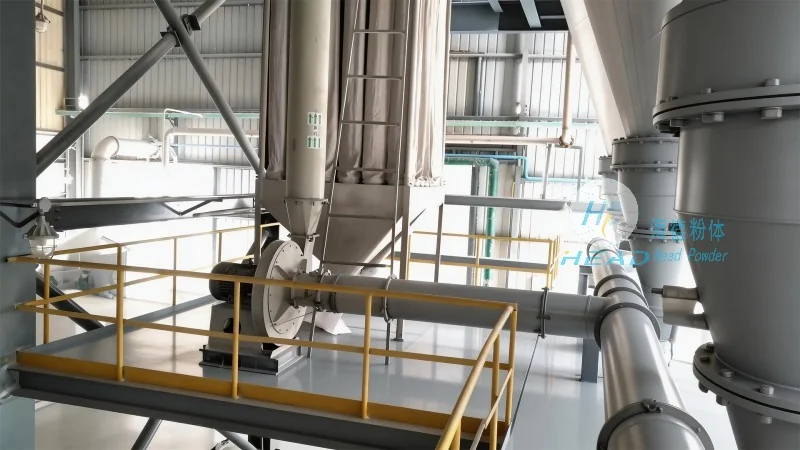
Negative Pressure Conveying: The Alternative Approach
Negative pressure conveying, also known as vacuum conveying, works by creating a vacuum in the pipeline, drawing the coal ash into the system. This method pulls the material through the line. It is generally more suitable for shorter distances or when the material needs to be handled in a more controlled environment, as it reduces dust emissions and noise compared to positive pressure systems.
Distinguishing Between the Two Systems: Key Factors to Consider
Several factors differentiate positive and negative pressure conveying systems. Distance is a primary consideration; positive pressure is better for longer distances due to its ability to maintain pressure over extended lengths. Material characteristics, such as particle size and moisture content, also play a role. Positive pressure can handle larger, drier particles, while negative pressure is more effective for fine or moist materials that are prone to dusting.
Application Scenarios and Practical Implications
The choice between positive and negative pressure systems also depends on the specific application. For example, in power plants where coal ash needs to be transported over several kilometers to a disposal site, a positive pressure system may be more economical and efficient. Conversely, in industrial settings where the ash is processed on-site and the conveying distance is shorter, a negative pressure system might be preferred to minimize environmental impact.
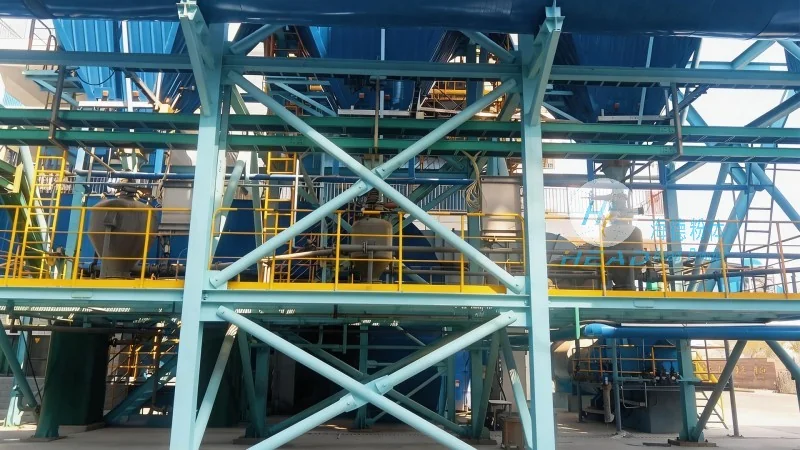
Choosing the Right System for Your Needs
When deciding between positive and negative pressure conveying for coal ash, it is essential to evaluate your operational requirements, budget, and environmental regulations. Consulting with experts from companies like Shandong HeadPowder Engineering Co., Ltd. can provide valuable insights tailored to your specific situation. Their expertise in coal ash handling systems ensures that you select the most appropriate technology for your project, optimizing performance and safety.
By understanding the operational differences and practical applications of both positive and negative pressure conveying systems, you can make a well-informed decision that aligns with your operational goals and regulatory requirements. Whether you opt for positive or negative pressure, the right choice will enhance the efficiency and safety of your coal ash handling operations.