

Preventing Dust Leakage in Pneumatic Conveying Systems for Potassium Hydroxide
When it comes to handling potassium hydroxide (KOH) using pneumatic conveying systems, preventing dust leakage is a critical concern for industrial operations. The unique properties of KOH, such as its hygroscopic nature and potential for creating fine particulate matter during transport, make it essential to implement robust dust control measures. This article explores effective strategies and best practices for maintaining a safe and efficient pneumatic conveying system while minimizing the risk of dust leakage when transporting potassium hydroxide.
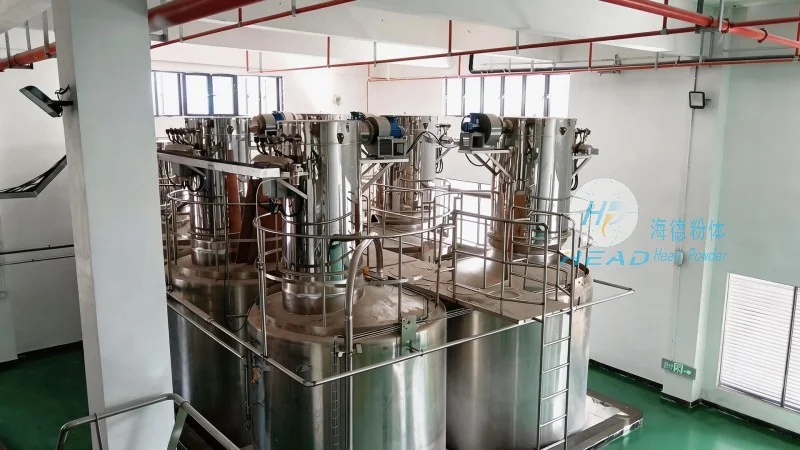
Understanding the Challenges of Pneumatic Conveying with Potassium Hydroxide
Potassium hydroxide is a strong base commonly used in chemical manufacturing, food processing, and other industrial applications. Its hygroscopic properties mean it readily absorbs moisture from the air, which can lead to clumping and the formation of fine dust particles during handling. In pneumatic conveying systems, where material is transported through a pipeline using air or gas, these dust particles can become airborne and pose health risks to workers, contaminate the environment, and damage equipment. Additionally, KOH dust can be highly reactive and corrosive, making it crucial to prevent its release into the workplace or surrounding areas.
Key Factors Contributing to Dust Leakage in KOH Conveying Systems
Several factors contribute to dust leakage in pneumatic conveying systems for potassium hydroxide. First, the material's inherent tendency to generate fine particles during loading, transfer, or discharge increases the risk of leakage. Second, inadequate sealing of system components, such as valves, elbows, and connections, allows dust to escape from the pipeline. Third, variations in air pressure and flow rates can cause fluctuations in material movement, leading to uncontrolled dust release. Finally, the absence of proper filtration or dust collection systems at the discharge end of the conveyor can result in uncontrolled dust dispersion.
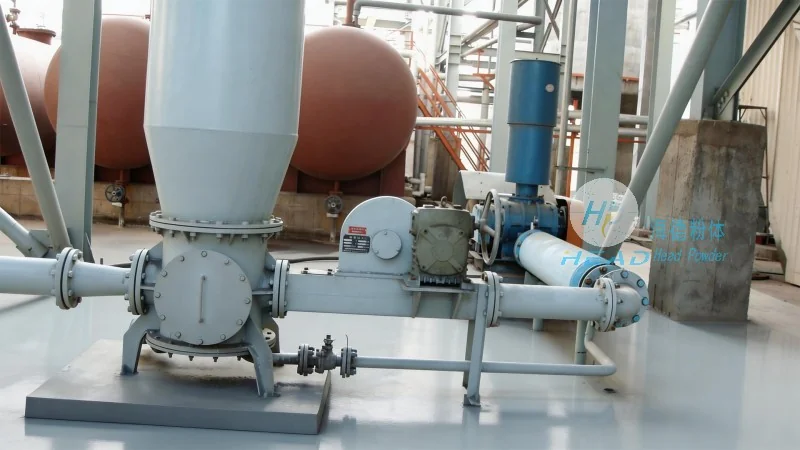
Effective Strategies to Prevent Dust Leakage
Implementing a multi-layered approach to dust control is essential for maintaining a safe and efficient pneumatic conveying system when transporting potassium hydroxide. One key strategy is to use high-quality, dust-tight components throughout the system. This includes selecting valves and fittings designed specifically for handling fine powders, ensuring all connections are properly sealed, and using flexible hoses or connectors that maintain a tight seal under pressure. Additionally, incorporating a dust collection system at the discharge point, such as a cyclone or baghouse filter, can capture any airborne particles before they escape into the environment.
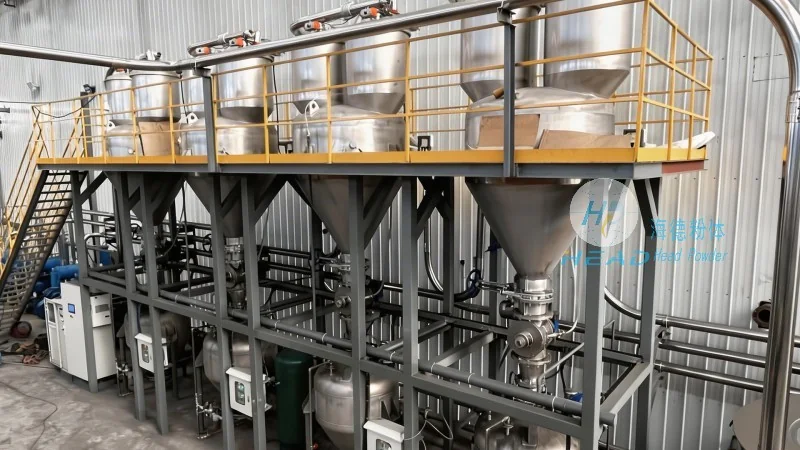
Another critical measure is to control the material's moisture content and prevent clumping. By maintaining optimal moisture levels and using anti-caking agents or conditioning equipment, the material remains free-flowing and less likely to generate dust. Properly designed loading and unloading equipment, such as rotary valves or star feeders, can also minimize the impact of material impact and friction, reducing dust generation during transfer. Regular maintenance and inspection of the system are also vital to ensure all components remain in good working condition and that seals are not compromised over time.
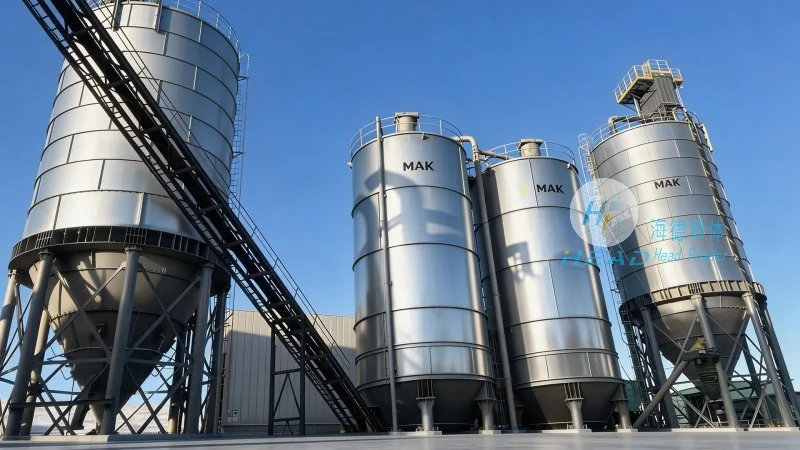
Role of HeadPowder Engineering in Pneumatic Conveying Solutions
Shandong HeadPowder Engineering Co., Ltd. specializes in providing customized pneumatic conveying solutions tailored to the unique challenges of handling potassium hydroxide and other hazardous materials. With years of experience in the industry, the company understands the importance of dust control and safety in industrial operations. HeadPowder offers a range of services, including system design, installation, and maintenance, to ensure that clients can operate their pneumatic conveying systems efficiently while minimizing the risk of dust leakage. The company's expertise in material handling and dust control technologies enables them to develop solutions that meet the specific needs of each client, ensuring compliance with safety regulations and operational efficiency.
Conclusion: Ensuring Safe and Efficient Pneumatic Conveying of Potassium Hydroxide
Preventing dust leakage in pneumatic conveying systems for potassium hydroxide requires a comprehensive approach that addresses the material's properties, system design, and operational practices. By implementing robust dust control measures, using high-quality components, and maintaining proper system operation, industrial facilities can ensure the safe and efficient transport of KOH while protecting workers and the environment. Shandong HeadPowder Engineering Co., Ltd. stands ready to assist clients in achieving these goals through expert design and implementation of pneumatic conveying systems tailored to their specific needs.